AI & Robotics Education: Building the Innovators of Tomorrow
Artificial intelligence is rapidly changing how people learn, work, communicate and solve problems. Cambridge International now highlights the importance of helping learners use AI responsibly while developing critical thinking and digital skills.
At Schola Nova, we believe students should not simply become users of technology.
They should become creators, problem-solvers and responsible innovators.
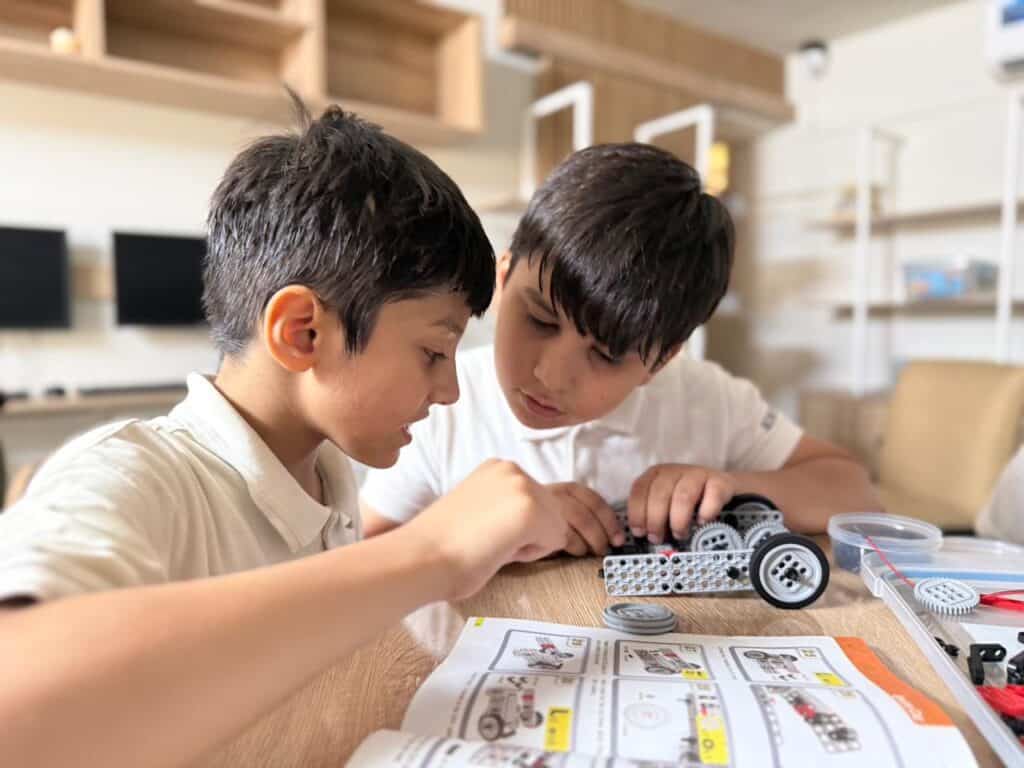
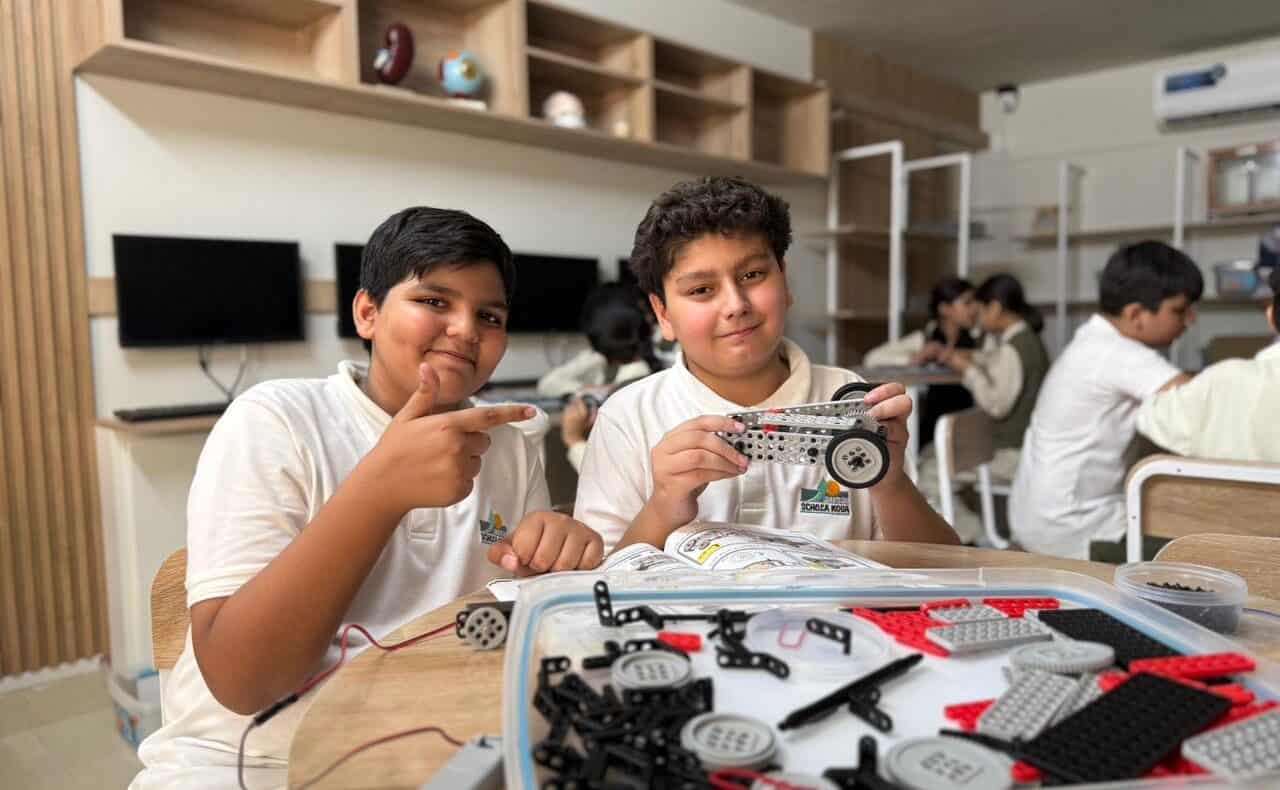
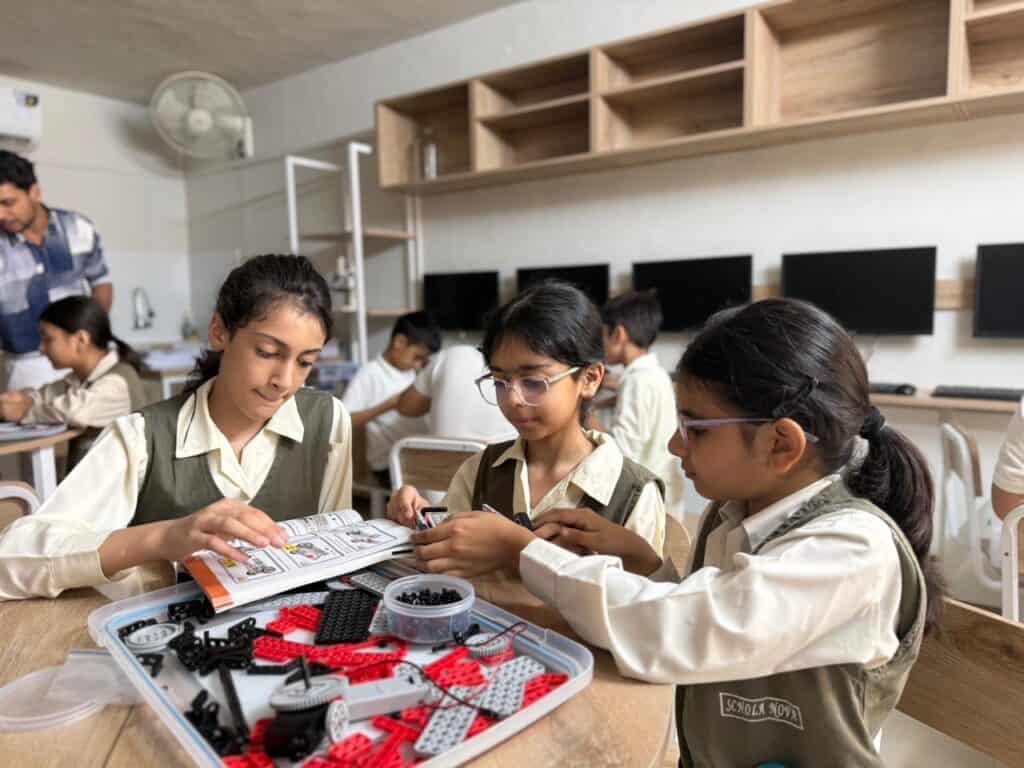
Our AI and Robotics learning experiences connect technology with real-world challenges, allowing students to explore ideas through experimentation, collaboration and practical projects.
What Do Students Learn in AI & Robotics?
Our programme can introduce students to a range of emerging technologies and STEM concepts, including:
Robotics
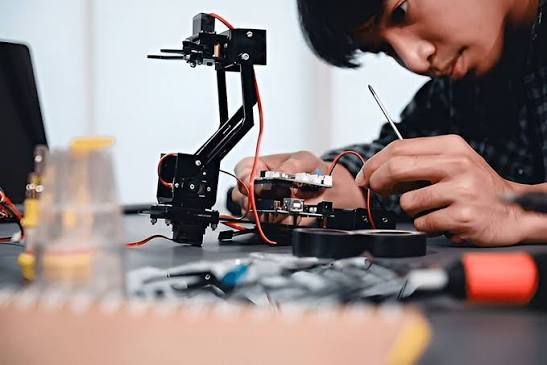
Students explore how robots work, how components interact and how machines can be programmed to perform tasks.
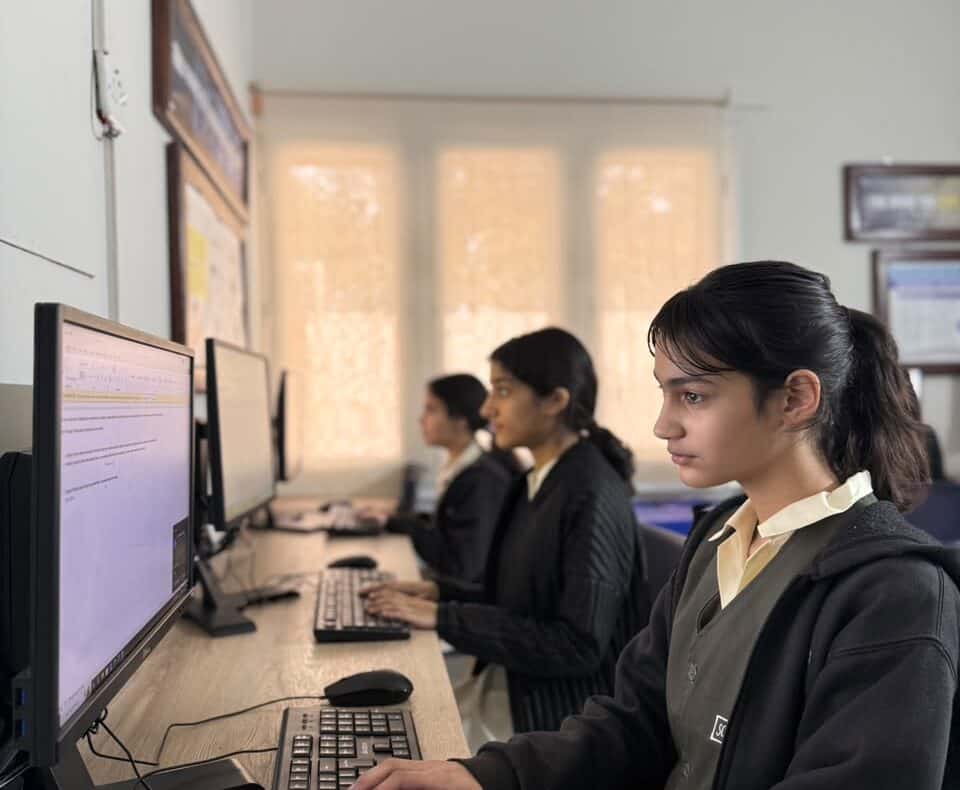
Coding & Programming
Students develop logical thinking and computational skills through age-appropriate programming activities.
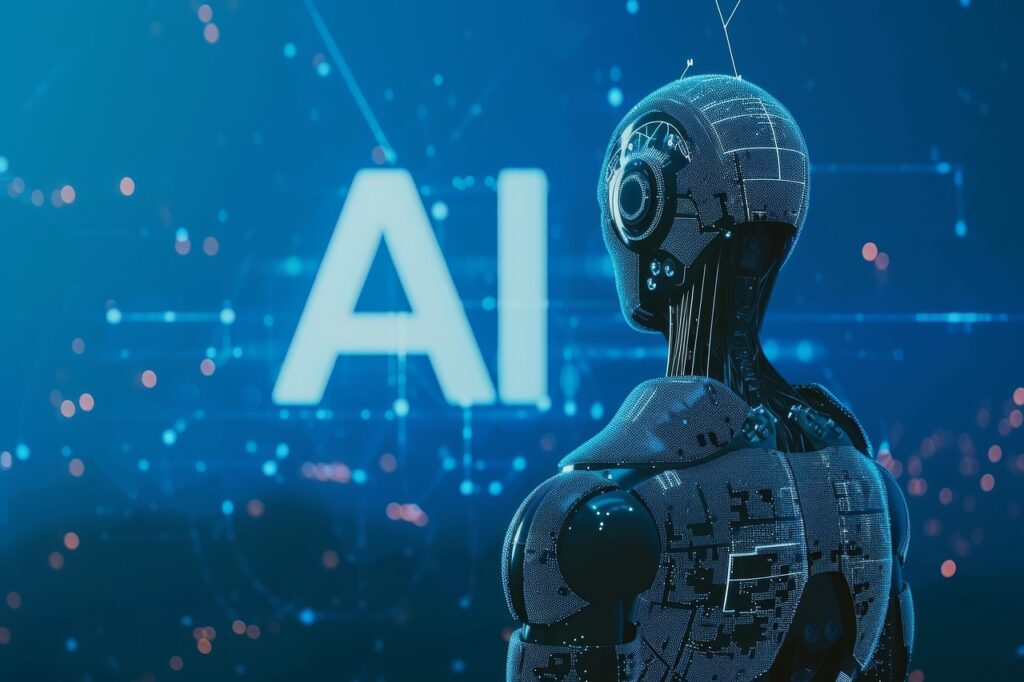
Artificial Intelligence
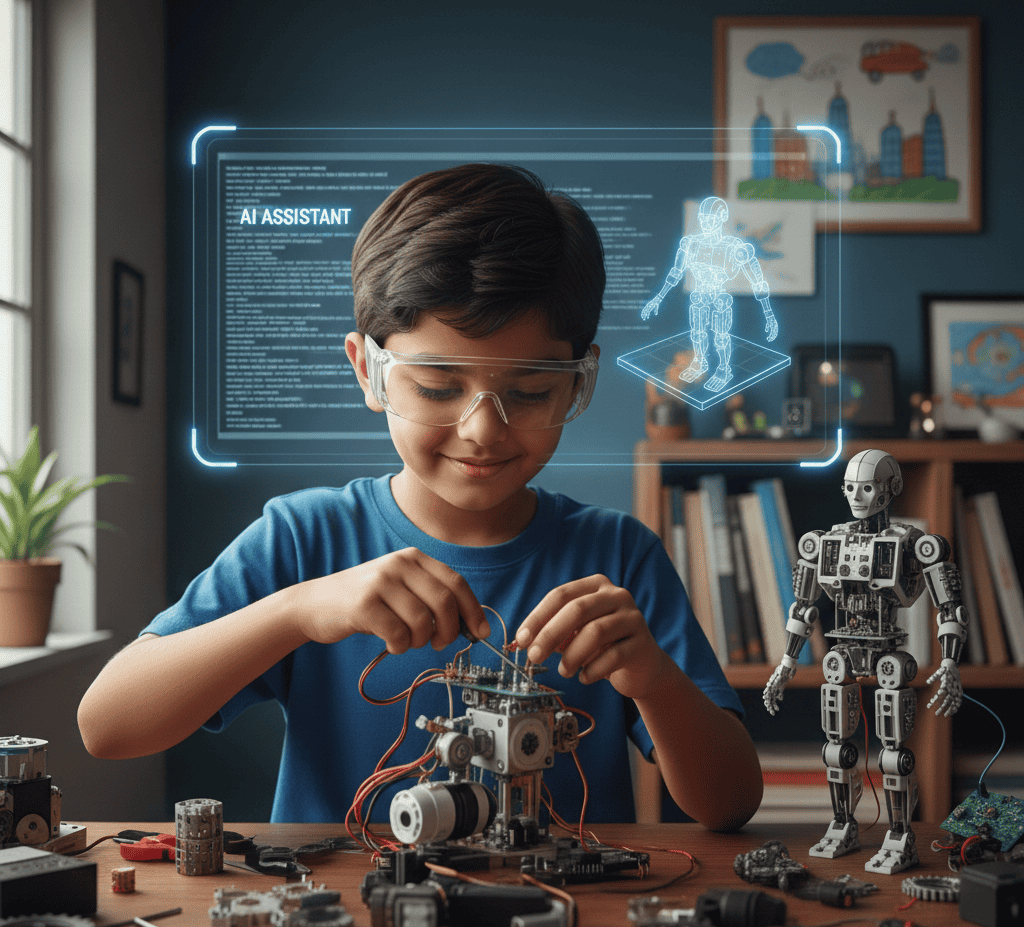
Students are introduced to the concepts behind AI and how intelligent systems can learn, analyse information and assist people.
Engineering & Automation
Students explore how mechanical and electronic systems can work together to solve real-world problems.
STEAM Learning
Science, Technology, Engineering, Arts and Mathematics come together through interdisciplinary projects.
Problem-Solving
Students learn to break complex problems into smaller steps, test ideas and improve their solutions.
Learning by Building, Not Just Memorising
The most powerful technology lessons aren’t necessarily the ones where students sit and listen.
They’re the ones where students build something and discover how it works.
A robotics activity can turn a Physics concept into a moving machine.
A coding challenge can turn Mathematics into an interactive solution.
An AI activity can turn a question about technology into an opportunity to investigate, analyse and think critically.
This hands-on approach helps students connect classroom concepts with real-world applications.
Cambridge’s computing education similarly emphasises computational thinking, breaking problems into smaller parts, recognising patterns and identifying errors.
EXPLORE
Students discover new technologies and ask questions.
UNDERSTAND
They learn the concepts behind coding, robotics, AI and engineering.
BUILD
Students turn ideas into practical projects.
TEST
They experiment, identify problems and analyse what went wrong.
IMPROVE
Students modify their designs and try again.
INNOVATE
They use what they’ve learned to develop new solutions.
Why Choose Schola Nova for AI & Robotics?
For more than two decades, Schola Nova has focused on developing students academically while helping them grow into confident, responsible learners.
Our approach to education combines the Cambridge pathway with opportunities for students to explore technology, STEAM, creativity, communication and practical learning.
AI and Robotics adds another dimension to that journey:
Learn the concept.
Build the idea.
Test the solution.
Learn from the result.
Try again.
Innovate.
That’s the mindset we want our students to carry beyond the classroom.
AI and Robotics education introduces students to artificial intelligence, coding, robotics, automation and related STEM concepts through age-appropriate learning activities and practical projects.
Why should students learn robotics at school?
Robotics can help students develop problem-solving, computational thinking, creativity, teamwork and engineering skills while connecting academic concepts with practical applications.
Is AI suitable for school students?
Yes, when taught appropriately for the student’s age and with responsible-use principles. Modern digital-literacy approaches increasingly include AI awareness, critical thinking and responsible technology use.
Does AI and Robotics replace traditional subjects?
No. AI and Robotics should complement subjects such as Mathematics, Science and Computing by giving students opportunities to apply what they learn.
Is AI and Robotics part of STEM or STEAM?
Robotics and AI are closely connected with STEM and can also form part of STEAM when creativity, design and the Arts are incorporated into projects.