Learning Beyond Books: The Power of Activity-Based Education
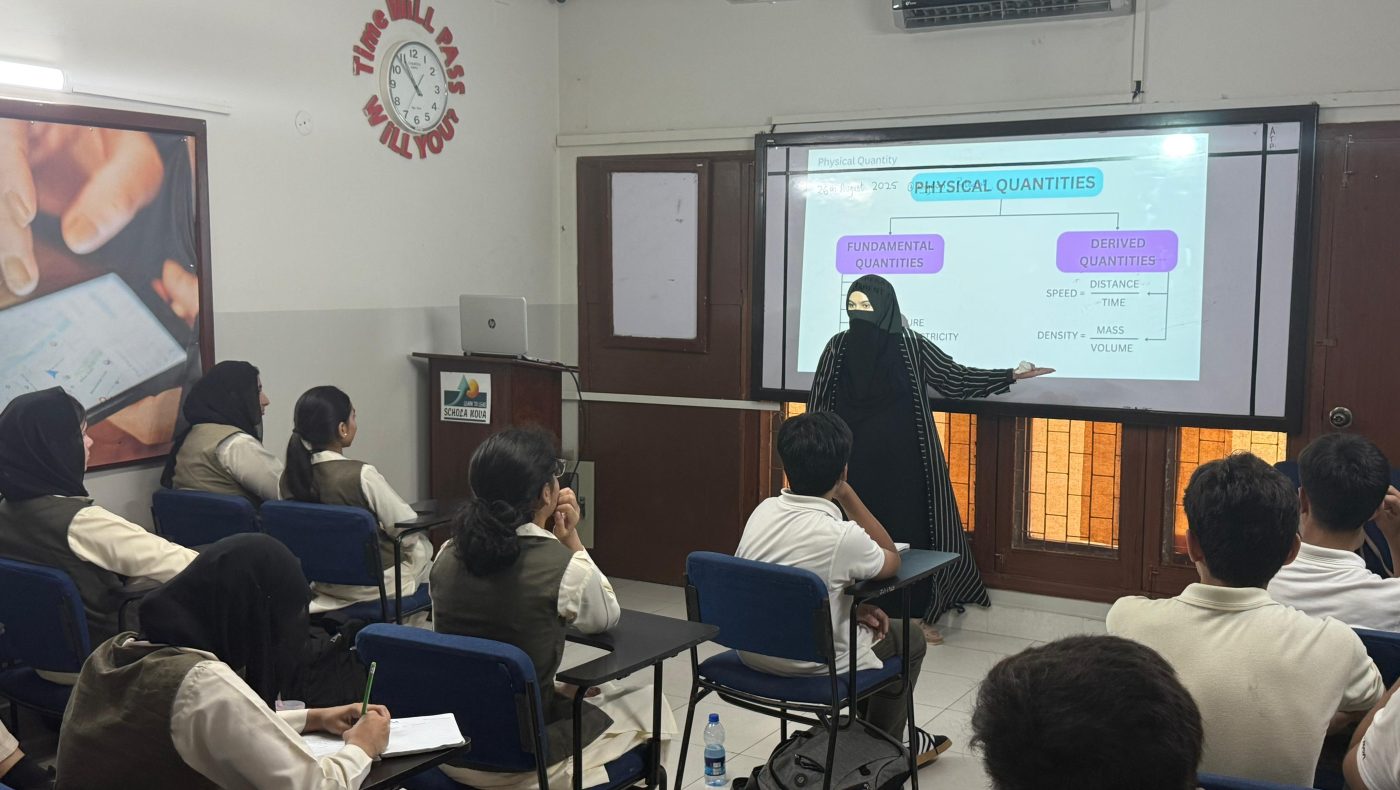
Education today is no longer confined to textbooks and exams. Around the world, schools are embracing innovative teaching methods that go beyond traditional learning. One such approach gaining rapid popularity is activity-based education.
Parents searching for the best school in Islamabad are increasingly prioritizing institutions that focus on practical learning, creativity, and real-world application. Activity-based education plays a key role in shaping confident, capable, and future-ready students.
What Is Activity-Based Education?
Activity-based education is a teaching approach that emphasizes learning through experience. Instead of passively listening to lectures, students actively participate in tasks, experiments, discussions, and creative projects.
This method transforms a typical school in Islamabad into an engaging environment where students learn by doing rather than memorizing.
Examples of activity-based learning include:
- Science experiments
- Group projects
- Role-playing and drama
- Art and craft activities
- Educational games
- Field trips and real-world exploration
Why Traditional Learning Alone Is Not Enough
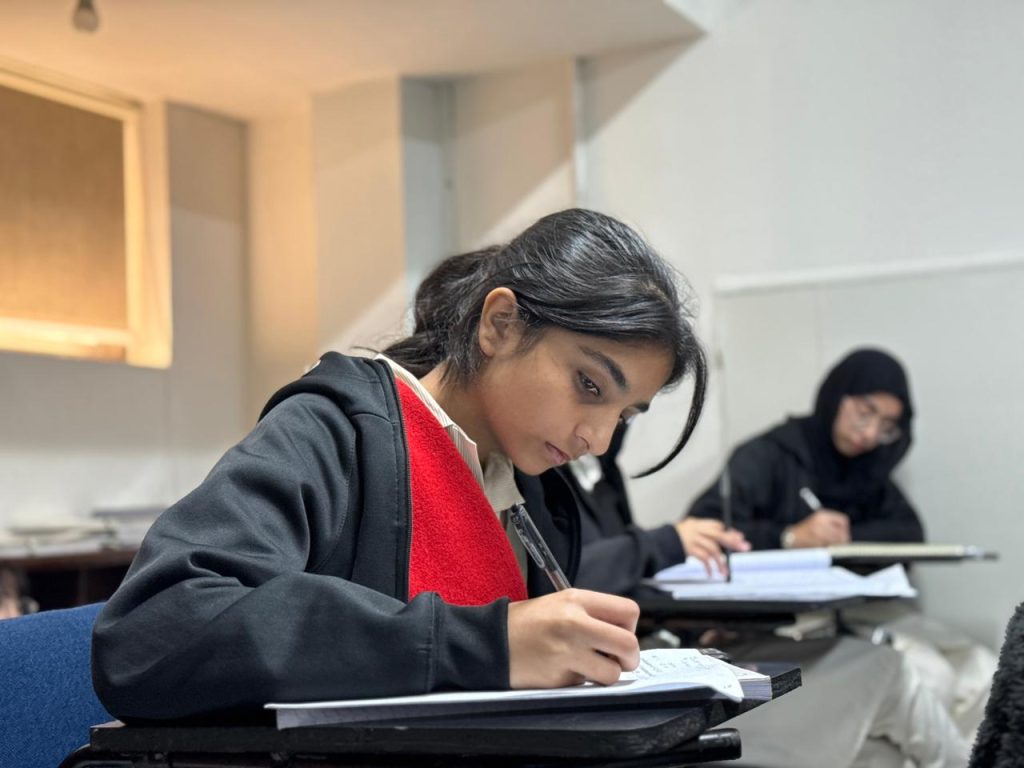
For decades, education systems focused heavily on rote memorization. While this approach helps students pass exams, it often fails to develop critical life skills.
In many schools in Islamabad, parents have noticed that children may score well academically but struggle with:
- Communication skills
- Problem-solving abilities
- Confidence
- Creativity
This gap highlights the need for a more balanced approach—one that combines academics with experiential learning.
The Core Benefits of Activity-Based Learning
1. Enhances Conceptual Understanding
When students engage in hands-on activities, they understand concepts more deeply. Instead of memorizing formulas, they see how things work in real life.
A top school in Islamabad uses experiments and practical demonstrations to make complex topics easier and more relatable.
2. Builds Confidence and Communication Skills
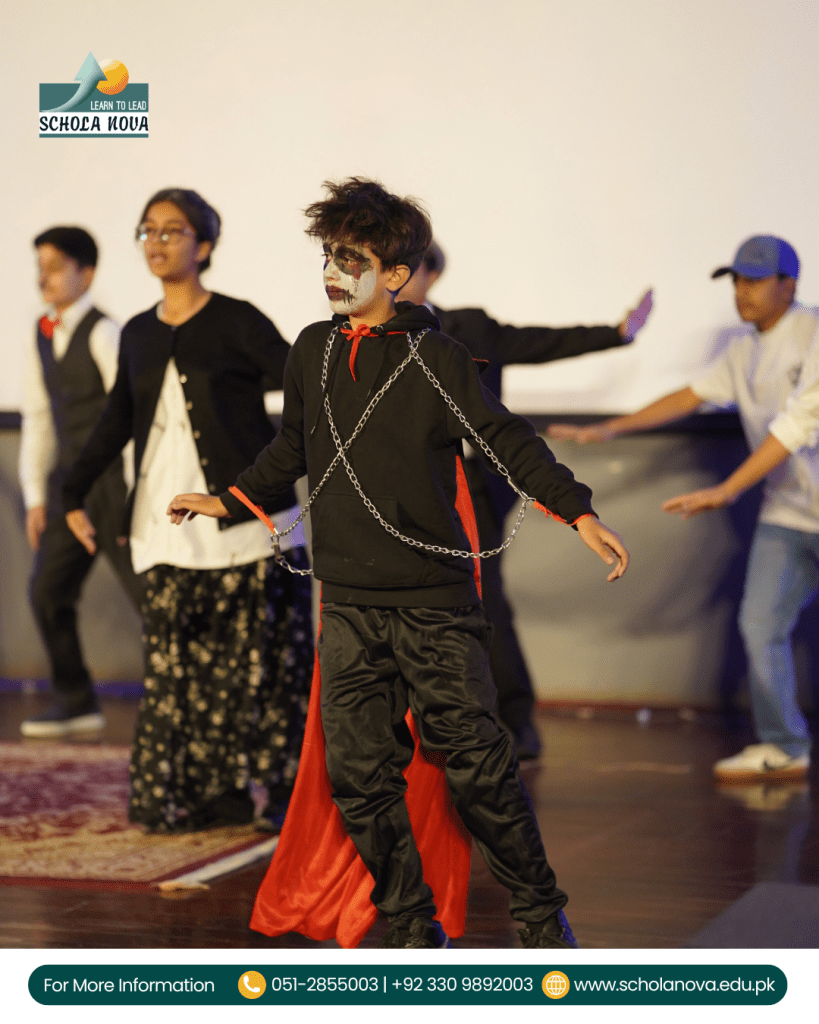
Activities such as presentations, group discussions, and drama performances help students express themselves clearly.
The best schools in Islamabad create opportunities for students to speak, collaborate, and lead—building confidence from an early age.
3. Encourages Critical Thinking and Problem-Solving
Activity-based learning challenges students to think independently. Instead of being given answers, they are encouraged to explore, question, and solve problems.
This is especially important in a modern IGCSE school in Islamabad, where analytical thinking is a key part of the curriculum.
4. Makes Learning Fun and Engaging
Let’s face it—children learn better when they enjoy the process. Interactive activities keep students motivated and excited about school.
A dynamic school in Islamabad ensures that learning never feels like a burden.
5. Promotes Teamwork and Collaboration
Group activities teach students how to work together, respect different perspectives, and achieve common goals.
These skills are essential for success in both academic and professional life.
6. Develops Real-World Skills
From time management to leadership, activity-based learning prepares students for real-life challenges.
Parents looking for the best school in Islamabad often prioritize institutions that focus on life skills alongside academics.
Activity-Based Learning in Different Age Groups
Early Years (Pre-School)
Young children learn best through play. Activities such as storytelling, sensory play, and basic art help develop motor skills and language abilities.
A quality school in Islamabad creates a nurturing environment where learning begins with curiosity and exploration.
Primary School
At this stage, students benefit from interactive lessons, group projects, and creative assignments. These activities build a strong academic foundation while encouraging curiosity.
Secondary School
Older students engage in more advanced activities such as debates, research projects, and scientific experiments.
A top school in Islamabad ensures that students not only learn concepts but also apply them effectively.
Cambridge IGCSE
In an IGCSE school in Islamabad, activity-based learning becomes even more important. The curriculum focuses on inquiry-based learning, practical assessments, and analytical thinking.
Students are encouraged to:
- Conduct experiments
- Participate in discussions
- Analyze real-world scenarios
Role of Co-Curricular Activities in Learning
Activity-based education extends beyond the classroom. Co-curricular programs play a vital role in overall development.
Leading schools in Islamabad offer activities such as:
- Performing arts (drama, music)
- Sports and fitness programs
- STEAM projects
- Communication and leadership workshops
- Art and craft
These activities help students discover their talents and build confidence.
Technology and Activity-Based Learning
Modern classrooms are integrating technology to enhance experiential learning.
A forward-thinking IGCSE school in Islamabad uses tools like:
- Interactive smart boards
- Educational apps
- Virtual simulations
- Online collaboration platforms
Technology makes learning more interactive and prepares students for a digital future.
How Parents Can Support Activity-Based Learning at Home
Education doesn’t stop at school. Parents play a crucial role in reinforcing learning at home.
Here are some simple ways to support your child:
- Encourage curiosity and questions
- Provide creative materials like art supplies
- Engage in educational games
- Allow children to explore and experiment
- Support participation in school activities
Parents who choose the best school in Islamabad and actively engage in their child’s learning journey see the best results.
What to Look for in a School
If you’re searching for a top school in Islamabad, consider these factors:
- Does the school use activity-based teaching methods?
- Are co-curricular activities part of the curriculum?
- Does the school focus on life skills?
- Is there a balance between academics and creativity?
- Does the school offer international programs like IGCSE?
Choosing the right school in Islamabad can make a significant difference in your child’s future.
Why Activity-Based Education Is the Future
The world is changing rapidly. Careers of the future require skills like creativity, adaptability, and critical thinking.
The best schools in Islamabad understand this shift and are adopting modern teaching methods to prepare students for tomorrow.
Activity-based education ensures that students are not just exam-ready but life-ready.
Conclusion
Learning beyond books is no longer an option it’s a necessity. Activity-based education transforms students into confident learners, creative thinkers, and responsible individuals.
If you’re looking for a school in Islamabad that prioritizes holistic development, choose one that embraces experiential learning. Whether it’s a top school in Islamabad or a leading IGCSE school in Islamabad, the focus should always be on nurturing the full potential of every child