Bake Sale : Colours of Pakistan

A Celebration of Culture, Creativity, and Community

The Colours of Pakistan Bake Sale 2026 at Schola Nova was a vibrant and memorable event that brought together students, teachers, and the school community in a spirit of enthusiasm and celebration.

Designed around the theme Colours of Pakistan, the bake sale reflected the rich cultural diversity of our country. The atmosphere was filled with energy, colour, and creativity, as students showcased their efforts through thoughtfully prepared stalls and presentations.

A Day Filled with Flavour and Festivity

The event featured a variety of popular treats including pizza, roll paratha, fries, burgers, ice cream, and brownies. Each stall was a reflection of teamwork and student involvement, creating an engaging and enjoyable experience for everyone present.

Beyond the delicious food, the bake sale provided students with an opportunity to develop essential life skills such as collaboration, organisation, and communication. It was a hands-on learning experience that extended beyond the classroom.

More Than Just an Event

At Schola Nova, we believe that learning is not limited to textbooks. Events like the bake sale play an important role in nurturing confidence, creativity, and a sense of responsibility among students.

The success of this event highlights the importance of experiential learning, where students actively participate, contribute, and grow through meaningful experiences.

A Collective Effort

We extend our sincere appreciation to our students, staff, and parents whose efforts and support made this event a success. Their enthusiasm and dedication created an environment of joy and togetherness.

Looking Ahead

The Colours of Pakistan Bake Sale stands as a reminder of how powerful learning can be when combined with creativity and collaboration. We look forward to many more such experiences that continue to inspire and engage our students.

Smaller Classes Bigger Opportunities: The Benefits of Private Schools

Choosing the right school is one of the most important decisions a parent can make. Beyond curriculum and facilities, one factor that often shapes a child’s experience is class size.

The idea behind smaller classes and bigger opportunities is simple. When students receive more individual attention, they are more likely to grow academically, socially, and emotionally. This is one of the key reasons why many parents searching for the best school in islamabad or a top school in islamabad consider private education.

At Schola Nova, we have seen how smaller class sizes can transform the learning experience and help students reach their full potential.


Why Class Size Matters in Education

In a smaller classroom, teachers are able to focus on each student more closely. This creates an environment where learning becomes more personal and effective.

Students are not just part of a group. They are recognised as individuals with unique strengths, challenges, and learning styles. This level of attention is difficult to achieve in larger classrooms.


More Individual Attention for Every Student

One of the most immediate benefits of smaller classes is the ability for teachers to give personalised support.

At Schola Nova, teachers can:

  • Identify learning gaps early
  • Adjust teaching methods based on student needs
  • Provide timely feedback

This ensures that no student is left behind and that each learner progresses with confidence.

For parents exploring a best cambridge school in islamabad, this level of attention is often a deciding factor.


Stronger Student Teacher Relationships

A smaller class allows meaningful relationships to develop between students and teachers.

When students feel comfortable with their teachers, they are more likely to ask questions, share ideas, and seek help when needed. This creates a supportive environment where learning feels safe and engaging.

At Schola Nova, we believe that trust between teachers and students plays a key role in academic success.

Increased Participation and Confidence

In larger classrooms, some students may hesitate to speak or participate. In smaller groups, every voice has space to be heard.

Students are encouraged to:

  • Take part in discussions
  • Present their ideas
  • Engage actively in lessons

This not only improves understanding but also builds confidence and communication skills that are essential for future success.


Better Academic Outcomes

Research and experience both show that students in smaller classes often perform better academically.

With fewer distractions and more focused teaching, students can:

  • Understand concepts more clearly
  • Receive detailed guidance
  • Improve their problem solving skills

This is particularly important in structured systems such as a cambridge school in islamabad, where depth of understanding is essential.


A More Focused Learning Environment

Smaller classes naturally create a calmer and more organised learning space.

Teachers can manage the classroom more effectively, and students are less likely to feel overwhelmed. This leads to better concentration and improved behaviour.

At Schola Nova, we design our classrooms to support focus, allowing students to make the most of every lesson.


Greater Opportunities for Personal Growth

Education is not only about academics. It is also about developing character, confidence, and independence.

In smaller classes, teachers can pay closer attention to each student’s personal development. They can guide students in building:

  • Leadership skills
  • Teamwork abilities
  • Emotional resilience

These qualities are just as important as academic achievement.


Enhanced Support for Different Learning Needs

Every student learns differently. Some may need extra support, while others may require additional challenges.

Smaller class sizes make it easier to adapt teaching approaches. Teachers can provide:

  • Extra help where needed
  • Extension tasks for advanced learners
  • Individual guidance for improvement

This balanced approach ensures that all students are supported effectively.


Preparing Students for Future Success

Students who learn in smaller classes often develop stronger independent learning skills.

They become more confident in expressing their ideas, managing their work, and taking responsibility for their learning. These skills are essential for higher education and future careers.

For parents considering the best school in islamabad, this long term impact is a key advantage of private education.


The Schola Nova Approach

At Schola Nova, we believe that smaller classes create meaningful opportunities for every student.

As a cambridge school in islamabad, we combine internationally recognised academic standards with a personalised approach to learning. Our classrooms are designed to ensure that each student is seen, heard, and supported.

We focus not only on academic excellence but also on building confident, capable individuals who are ready for the future.


Why This Matters for Parents

For parents, choosing a school is about more than facilities or results. It is about the overall experience your child will have.

Smaller class sizes offer:

  • Better support and guidance
  • Stronger relationships
  • More opportunities for participation
  • Improved academic outcomes

This is why many families searching for a top school in islamabad prioritise private schools that offer a more personalised learning environment.

Conclusion

Smaller classes truly lead to bigger opportunities. They create an environment where students can focus, grow, and succeed with confidence.

At Schola Nova, we see the impact of this approach every day. By giving students the attention and support they need, we help them develop not only academically but also as individuals.

In the end, the right learning environment makes all the difference. And for many students, that begins with a classroom where they are not just another number, but a valued part of the learning journey.

Student Doing Exam

Effective Exam Preparation Tips: How We Support Students at Schola Nova

At Schola Nova, exam preparation is not just about last minute revision. It is a structured process that helps students build confidence, apply knowledge effectively, and perform at their best.

As a cambridge school in islamabad, we understand the demands of both Cambridge IGCSE and A Level examinations. That is why we guide our students with practical strategies that go beyond memorisation and focus on real understanding.

Here are some of the most effective approaches we use to help our students succeed.

Focus on Applying Knowledge, Not Just Memorising

One of the most common challenges students face is trying to learn too much without understanding how to use it.

At Schola Nova, we encourage students to focus on how knowledge can be applied in exam questions. Strong answers are not about how much you know, but how effectively you use that knowledge.

We often use interactive techniques where students connect facts to different types of questions. This helps them think more flexibly and prepares them for a variety of exam scenarios.

Teach Students to Analyse Exam Questions Carefully

Understanding the question is just as important as knowing the answer.

We train our students to break down exam questions by identifying key words and understanding exactly what is being asked. This ensures they stay relevant and avoid losing marks by misinterpreting the question.

Simple habits like underlining key terms and planning answers briefly before writing can make a significant difference in performance.

Strengthening Memory Through Active Learning

Remembering key information is essential, especially for subjects that require factual recall.

At Schola Nova, we promote active revision methods rather than passive reading. Students are encouraged to:

  • Create their own quizzes
  • Test each other in groups
  • Use structured recall techniques

When students create their own questions, they engage more deeply with the content and retain it more effectively.

Practising with Real Exam Papers

Familiarity with exam formats builds confidence.

We ensure that students regularly practise using past papers and sample questions. This helps them understand:

  • The structure of the exam
  • The type of questions asked
  • How to manage time effectively

We also guide students on how to choose questions wisely, especially in papers where they have options.

Encouraging Reflection on Revision Methods

Every student learns differently. What works for one may not work for another.

That is why we encourage students to reflect on their revision strategies. They are guided to think about what helps them learn best and where they can improve.

This approach is particularly important as students move from IGCSE to A Level, where independent learning becomes more critical.

Supporting Students with Individual Needs

At Schola Nova, we recognise that some students require additional support during exams.

For those with special considerations, such as extra time, we ensure they practise using these adjustments well before the actual exam. This helps them feel comfortable and use their time effectively.

Our aim is to make sure every student is fully prepared in a way that suits their individual needs.

Building Strong Habits Early

Effective exam preparation does not begin a few weeks before exams. It starts much earlier.

We encourage students to:

  • Keep their notes organised and up to date
  • Practise revision techniques regularly
  • Build consistency in their study habits

By starting early, students reduce stress and feel more in control when exams approach.

Supporting Independent Learning

We also guide students to use additional study resources effectively. Structured learning materials help them plan their revision and stay focused.

As a best cambridge school in islamabad, we ensure that students are not only prepared for exams but also develop the skills needed for independent study in the future.

Why This Matters for Parents

For parents looking for the best school in islamabad or a top school in islamabad, exam preparation is often a key concern.

At Schola Nova, our approach ensures that students are not just prepared to pass exams, but to understand their subjects deeply and perform with confidence.


Conclusion

Exam success is not about last minute effort. It is about consistent preparation, smart strategies, and the ability to apply knowledge effectively.

At Schola Nova, we combine structured guidance with practical techniques to help students develop strong revision habits and achieve their full potential.

With the right support and approach, every student can walk into an exam feeling prepared, confident, and ready to succeed.

Overcoming Distraction: How We Help Students Build Focus at Schola Nova

The Reality of Attention in Today’s World

There is something many parents notice today, often without being able to fully explain it. Children seem more distracted than before. Their attention shifts quickly, their engagement fluctuates, and even tasks that once felt simple now require repeated reminders and effort.

It is easy to assume that children are losing their ability to focus. But when we pause and look more closely, the reality is more complex. The world around them has changed. It is faster, louder, and filled with constant stimulation. Notifications, screens, rapid content, and continuous input have reshaped how attention works. In such an environment, expecting a child to naturally sustain deep focus without guidance is no longer realistic.

At Schola Nova, we do not see distraction as a problem to be corrected. We see it as a skill that needs to be developed.


Understanding What Focus Really Means

When we talk about focus, it is important to move beyond the idea of simply sitting still or appearing attentive. True focus is internal. It is the ability to direct attention intentionally, to stay with a task even when it becomes challenging, and to resist the pull of easier or more immediately rewarding distractions.

This ability is closely linked to executive functioning. Skills such as organisation, working memory, and self regulation all contribute to how well a child can concentrate. These are not skills that develop automatically. They evolve over time and require consistent, intentional support.

This is why we approach focus not as an expectation, but as a process.


Why Focus Feels More Difficult Today

Many children today are used to environments where information is delivered quickly and constantly changes. This trains the brain to seek novelty and immediate reward. When that same child is asked to engage with a task that requires sustained effort, it can feel uncomfortable, even overwhelming.

Instead of responding with pressure, we respond with structure. Instead of expecting immediate change, we build capacity gradually.


Building Focus Gradually Over Time

At Schola Nova, we begin with manageable periods of focus. Tasks are designed to engage without overwhelming. Students are guided gently to stay with their work, even when their instinct is to move away from it.

Over time, these small efforts begin to extend. What once felt difficult starts to feel familiar. This gradual process is essential because focus cannot be forced. When it is pushed too quickly, it often leads to resistance. But when it is built steadily, it becomes a habit.


Reducing Mental Load to Improve Attention

Often, distraction is not simply about lack of interest. It is about the mind being occupied with too many things at once. When a child is trying to remember instructions, organise materials, and manage expectations simultaneously, their attention becomes divided.

Clear routines and structured systems help reduce this load. When a child knows what to expect, they do not need to spend energy figuring it out. That energy can instead be directed towards learning.

Tools such as planners and timetables support this process by helping students organise their tasks and reduce mental clutter.


Helping Students Understand Time and Rhythm

Children do not naturally understand how to pace themselves. Without guidance, they may rush through tasks or lose engagement halfway.

By introducing simple time management strategies, we help them experience a rhythm of working and pausing. Short, focused periods followed by brief breaks allow the brain to engage fully without becoming fatigued.

Over time, students begin to recognise their own patterns. They learn when they are most focused, when they need a break, and how to return to a task with renewed attention.


Creating an Environment That Supports Focus

The physical environment plays a quiet but powerful role in shaping attention. Classrooms that are overly stimulating can make it difficult for students to concentrate, while overly minimal spaces may lack engagement.

We aim for balance. Spaces are organised, purposeful, and calm. Visuals are meaningful rather than excessive. Movement is guided rather than chaotic.

When the environment is clear, the mind follows.


Engagement as the Key to Sustained Attention

Children are naturally attentive when they are involved. Passive learning often leads to drifting attention, while active participation holds it.

This is why students are encouraged to question, discuss, and explore. They engage with ideas rather than simply receiving them.

When a child feels involved, they invest mentally. And when they invest, focus develops naturally.


The Importance of Breaks and Resetting Attention

Continuous work without breaks can lead to mental fatigue, which reduces the quality of attention.

At Schola Nova, structured breaks are part of the learning process. A short walk, a moment of stretching, or a simple change in activity allows the brain to reset.

When students return, they are able to engage with greater clarity and energy.


Developing Awareness Around Technology

Technology is a part of modern learning, but it requires awareness. Instead of restricting it entirely, we guide students to understand how it affects their attention.

They learn when to use it productively and when to step away. This is particularly important in environments such as a Cambridge school in Islamabad, where digital tools are integrated into everyday learning.

The goal is not to remove technology, but to develop control over it.


Focus as a Lifelong Skill

Strong focus is not just useful in school. It shapes how children approach challenges, manage responsibilities, and stay committed to long term goals.

A student who can direct their attention is more likely to persist, and persistence is what leads to meaningful growth.


A Gradual and Meaningful Transformation

What we observe over time is not a sudden change, but a steady shift. A child who once struggled begins to focus for longer periods. A child who was easily distracted begins to return to their task independently.

These small changes reflect deeper development. They show that focus is being built, not forced.


A Final Thought for Parents

If you find yourself concerned about your child’s attention, it may help to see focus as a skill in progress rather than a fixed ability.

At Schola Nova, our aim is not to eliminate distraction completely. Instead, we guide students to understand it, manage it, and gradually strengthen their ability to return their attention where it matters.

Because in a world that constantly pulls attention away, the ability to bring it back is one of the most valuable skills a child can develop.

And sometimes, the most meaningful progress is quiet. It is a child sitting a little longer, trying again, and slowly learning how to stay.

The Shift Every Parent Is Quietly Feeling

There was a time when choosing a school felt simpler.

You looked at results. You asked about discipline. You checked how many distinctions the school produced. And somewhere in that process, you felt reassured that you had made the “right” decision.

But parents today are asking different questions.

Not always out loud.
But quietly, in their own moments.

Will my child feel confident here?
Will they be understood?
Will they be prepared for a world that even I do not fully understand?

Because the truth is, the world our children are growing into is very different from the one we were prepared for.

And education, slowly but surely, is beginning to reflect that shift.

From Fitting In to Being Understood

For decades, children were expected to adjust themselves to the system.

If they were too slow, they had to catch up.
If they were too curious, they had to stay within limits.
If they struggled, they were often labelled before they were understood.

What is changing now is not just the structure of education, but its intention.

There is a growing recognition that children are not meant to fit into a mould. They are meant to be understood within their own individuality.

Classrooms are beginning to move away from uniform expectations and towards flexible pathways. A child who needs more time is no longer seen as “behind.” A child who thinks differently is no longer seen as “difficult.”

Instead, they are seen.

And when a child feels seen, something shifts internally.
They stop resisting learning.
They begin engaging with it.

For parents, this is often the first sign that they have chosen the right environment, not because the system is perfect, but because it is responsive.

Learning Is No Longer About Remembering

If you ask most adults what they remember from school, the answer is rarely a chapter or a definition.

It is a moment. A teacher. A feeling.

Education in 2026 is beginning to move closer to that reality.

There is less emphasis on memorising information and more focus on understanding, questioning, and applying it. Children are being encouraged to think, not just respond.

And this shift is important, because the future will not reward those who can repeat information. It will reward those who can interpret it, challenge it, and build something new from it.

You may notice your child asking more questions than before.
You may notice them disagreeing sometimes.
You may even feel that learning looks less “structured” than it used to.

But underneath that, something far more valuable is developing: independent thinking.

Technology Is Present, But Not in the Way We Feared

Many parents once worried that technology would take over learning.

In some ways, it has become an integral part of it. But not in the way we imagined.

It is no longer about replacing teachers or books. It is about expanding access, enhancing engagement, and connecting learning to the real world.

Children collaborate, explore, and create using tools that feel natural to them.

At the same time, thoughtful educational environments are becoming more intentional about balance. Because they understand that childhood still needs conversation, reflection, and human connection.

The goal is not to raise children who are dependent on screens.
It is to raise children who can navigate a digital world with awareness and control.

The Emotional Side of Learning Is No Longer Ignored

Perhaps the most powerful shift in education is one that is not always visible in brochures or results.

It is the growing awareness that emotional wellbeing is not separate from learning. It is the foundation of it.

A child who is anxious will hesitate.
A child who feels unheard will withdraw.
A child who feels safe will open up.

Schools are beginning to create spaces where children are not just taught, but supported. Where they can express, regulate, and understand what they are feeling.

This does not mean removing challenges. It means helping children face them with support.

And for parents, this matters more than anything else.

Because long after grades are forgotten, a child’s sense of self stays with them.

A Global Outlook, Without Losing One’s Grounding

There is also a noticeable shift in what parents want from education.

They want opportunities for their children that go beyond borders. They want them to be confident, articulate, and globally aware.

This is why international curricula, particularly Cambridge programmes, continue to gain relevance.

But alongside that, there is a growing awareness that exposure should not come at the cost of identity.

Children need to understand the world, but they also need to understand themselves within it.

This balance is delicate, yet essential.

Schools like Schola Nova are working towards creating this balance, where international standards meet a strong sense of belonging.

Because confidence is not just about competing globally.
It is about standing firmly in who you are.

Learning Is Becoming an Experience, Not Just a Process

If you observe classrooms today, you will notice something different.

Children are not just sitting and listening. They are participating, discussing, building, and presenting.

Learning is becoming more experiential.

And this matters because children remember what they experience far more than what they are told.

When they work on projects, solve real problems, or collaborate with peers, they are not just learning content. They are developing life skills.

Communication.
Teamwork.
Confidence.

These are not taught through lectures. They are developed through experience.

Parents Are No Longer on the Outside

Another subtle but important shift is the role of parents.

There was a time when parents were expected to step back once a child entered school.

Now, they are being invited in.

Not physically, but through communication, collaboration, and shared responsibility.

Schools are building stronger connections with parents, not just to inform them, but to involve them.

Because education does not end when the school day does. It continues at home, in conversations, in values, and in everyday interactions.

And when there is alignment between school and home, children feel it.

They feel supported.
They feel secure.
They feel consistent.

Preparing for a Future That Has No Fixed Shape

Perhaps the most uncertain aspect of parenting today is the future.

We cannot predict what careers will look like. We cannot define a single path to success.

And so, education is shifting from preparing children for a specific destination to preparing them for adaptability.

They are being exposed to new areas, encouraged to explore interests, and supported in developing a mindset that is open and resilient.

This does not eliminate uncertainty.
But it equips children to navigate it.

So What Does This Mean for You as a Parent?

It means that choosing a school is no longer about finding the “best” one in a traditional sense.

It is about finding the right fit.

A place where your child is not just taught, but understood.
Where they are not just guided, but heard.
Where they are not just prepared for exams, but prepared for life.

This requires slowing down the decision.

Looking beyond results.
Observing environments.
Trusting your instinct when you walk into a space.

Because as a parent, you often know.

You can sense whether your child will belong there.

A Quiet Closing Thought

Education in 2026 is not loud.

It is not always about big achievements or visible outcomes.

Sometimes, it is much quieter than that.

It is a child raising their hand when they once stayed silent.
It is a child trying again after failing.
It is a child walking into school without fear.

Schools like Schola Nova are part of this evolving landscape, where education is not just about performance, but about growth.

And perhaps that is what matters most.

Because in the end, progress is not always visible.

Sometimes, it is simply a child becoming more of themselves, one day at a time.


Future of Education: What Schools Will Look Like in the Next 10 Years

A Schola Nova Perspective on Learning, Growth, and the Child of Tomorrow

 There was a time when school meant rows of desks, a chalkboard at the front, and a quiet expectation to listen, memorise, and repeat. For many of us, that is the image we still carry. But if we pause and observe the world around us today, it becomes clear that education is gently, yet powerfully, transforming.

When parents now ask about the future of education and what schools will look like in the next 10 years, the question carries a deeper concern. It is not just about academics anymore. It is about readiness for life, adaptability, emotional strength, and the ability to thrive in an ever-evolving world.

At Schola Nova, we often reflect on this shift not as a distant prediction, but as a responsibility we hold in the present. Because the future of education is not something that will arrive suddenly; it is something we are shaping, day by day, in our classrooms, conversations, and connections with our students.

 From Classrooms to Learning Spaces

The schools of the future will not feel rigid or confined. Instead, they will feel alive.

Learning spaces will become more flexible, collaborative, and student-centered. The traditional idea of a classroom will expand into an environment where curiosity leads the way. Children will move between discussions, hands-on activities, creative exploration, and independent thinking often within the same lesson.

At Schola Nova, this transition has already begun. We see learning not as a fixed process, but as a journey that adapts to the needs of each child. The classroom is no longer just a place where information is delivered, it is where ideas are discovered, questioned, and shaped.

For parents searching for the best schools in Islamabad, this shift is becoming an important factor. It is no longer about how much a child can memorise, but how deeply they can understand and engage.

Technology as a Natural Extension of Learning

In the next 10 years, technology will not stand out as something “extra” in education. It will quietly integrate into everyday learning.

Students will interact with digital tools, research platforms, and interactive resources in ways that feel seamless and intuitive. Lessons will extend beyond textbooks into visual, experiential, and globally connected formats.

However, what will truly matter is not the presence of technology, but how it is used.

At Schola Nova, we believe that technology should support thinking not replace it. It should open doors, not create dependence. The goal is to help students become thoughtful users of information, not passive consumers.

This balanced approach ensures that while students are prepared for a digital future, they remain grounded in critical thinking, creativity, and human connection.

 The Rise of Personalised Learning

Every child carries a unique way of understanding the world. Some learn by observing, others by doing. Some need time to process, while others thrive in discussion.

The future of education recognises this diversity.

In the coming years, schools will move away from a “one-size-fits-all” model. Instead, learning will become more personalized adapting to each child’s pace, strengths, and areas of growth.

Teachers will no longer simply deliver content; they will guide, observe, and support each learner’s journey.

At Schola Nova, this philosophy is deeply embedded in our approach. We see each student not as part of a system, but as an individual with potential waiting to be understood and nurtured.

For parents exploring modern education in Islamabad, personalised learning is not just a trend, it is a necessity. It is what builds confidence, reduces anxiety, and allows children to truly connect with what they are learning.

From Memorisation to Meaningful Skills

Perhaps the most significant shift in the future of education will be the move from memorisation to application.

Information is no longer scarce. In fact, it is everywhere. What matters now is the ability to interpret, analyse, and use that information effectively.

In the next 10 years, schools will focus more on:

  • Critical thinking
  • Problem solving
  • Communication
  • Collaboration
  • Creativity

These are not just academic skillsthey are life skills.

At Schola Nova, we often remind ourselves that a student’s success is not defined by how much they can recall during an exam, but by how well they can navigate real-life situations with clarity and confidence.

Parents looking for the best schools in Islamabad are increasingly recognising this. They are asking questions beyond grades. They are looking for environments that prepare children for the real world not just the next test.

Blended Learning: The Balance Between Structure and Flexibility

The idea of learning will expand beyond physical boundaries.

Future schools will offer a blend of in-class and online learning experiences. This does not mean replacing traditional education, but enhancing it with flexibility and accessibility.

Students will have opportunities to revisit concepts, explore topics independently, and engage with global resources all while maintaining the structure and discipline of a school environment.

At Schola Nova, we understand that balance is key.

Too much flexibility can feel overwhelming, while too much structure can feel restrictive. The goal is to create a learning experience where students feel supported, yet empowered.

This balanced approach is especially important in today’s world, where adaptability is not just an advantage, it is a requirement.

Emotional Wellbeing at the Heart of Education

One of the most meaningful changes we will see in the future of education is the prioritisation of emotional wellbeing.

For a long time, education focused primarily on academic outcomes. But we are now beginning to understand that a child’s ability to learn is deeply connected to how they feel.

In the next 10 years, schools will place greater emphasis on:

  • Emotional awareness
  • Stress management
  • Building resilience
  • Healthy relationships
  • Self-confidence

Teachers will play a crucial role not just as educators, but as mentors and guides.

At Schola Nova, we believe that a child who feels safe, understood, and valued is a child who is ready to learn.

This is why creating a supportive environment is not an addition to education, it is its foundation.

For families seeking schools in Islamabad that truly understand their child’s needs, emotional wellbeing is becoming a defining factor.

Global Learning in a Connected World

The world is no longer divided by borders in the way it once was.

Students today are growing up in a globally connected environment, and education must reflect that.

In the future, schools will provide greater exposure to:

  • Diverse cultures and perspectives
  • International curricula such as Cambridge and IGCSE
  • Collaborative projects with students across the world
  • Opportunities that prepare students for global careers

At Schola Nova, this global outlook is an essential part of our vision.

We prepare students not just to succeed locally, but to step confidently into international spaces; academically, professionally, and socially.

For parents searching for the best schools in Islamabad, global exposure is no longer a luxury. It is an important part of preparing children for the opportunities ahead.

The Quiet Power of Values and Character

While much will change in the future of education, some things will remain timeless.

Values. Character. Integrity. Empathy.

These cannot be replaced by technology or taught through textbooks alone. They are developed through experience, guidance, and meaningful relationships.

In the schools of the future, character education will hold as much importance as academic achievement.

At Schola Nova, we often see that the most lasting lessons are not always written in notebooks. They are felt in moments of teamwork, in acts of kindness, in the confidence a child builds over time.

Because in the end, education is not just about shaping minds. It is about shaping individuals.

Choosing the Right School Today

When we talk about the future of education and what schools will look like in the next 10 years, the question naturally leads to another:

What should parents look for in a school today?

The answer lies in alignment.

A school should not only meet present needs but also prepare a child for what lies ahead. It should offer:

  • A balance of academics and skills
  • A nurturing and emotionally safe environment
  • Opportunities for creativity and exploration
  • Exposure to global learning standards
  • A personalised approach to growth

At Schola Nova, we strive to bring these elements together in a way that feels both structured and deeply human.

A Future That Begins Today

The future of education is often described as something exciting, innovative, and full of possibilities and it is.

But more importantly, it is something that is already unfolding.

In classrooms where questions are encouraged.
In teachers who choose to understand rather than instruct.
In students who are learning not just what to think, but how to think.

At Schola Nova, we see this future every day—in the quiet confidence of a child who begins to believe in themselves, in the curiosity that leads to discovery, and in the sense of belonging that makes learning meaningful.

Because ultimately, the goal of education is not just to prepare children for the future.

It is to help them feel ready for it.


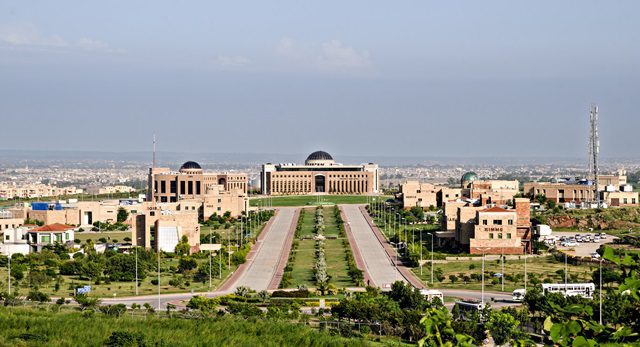
Graduation Ceremony of Grade X at Air University

A Memorable Milestone for Our Students

The Graduation Ceremony of Grade X at Air University was a truly special and emotional occasion for the entire Schola Nova community. It was more than just an event. It was a meaningful celebration of years of dedication, growth and perseverance.

Students, parents and teachers came together to honour the journey of our graduating class. These young individuals now stand ready to step forward into the next chapter of their academic and personal lives.

A Day Filled with Pride and Celebration

The ceremony began with a warm and welcoming atmosphere, setting the tone for a day of reflection and joy. The venue at Air University provided an inspiring and prestigious setting, perfectly suited to the importance of the occasion.

As students walked across the stage in their graduation attire, there was a sense of pride and quiet confidence. It was a moment that symbolised their transition and the journey they have completed together.

Honouring Hard Work and Dedication

Each student represented a unique story of effort, resilience and determination. The ceremony recognised not only academic achievement, but also the personal growth that each student experienced along the way.

Teachers and school leadership shared thoughtful and heartfelt messages. They acknowledged the commitment shown by students and the invaluable support provided by parents throughout this journey.

Inspiring Words for the Future

The speeches delivered during the ceremony focused on guiding students as they move forward. They highlighted the importance of perseverance, the courage to face challenges and the value of staying true to one’s principles.

Students were encouraged to remain curious, confident and responsible as they continue their educational journey.

A Moment of Reflection and Gratitude

Graduation is not simply about receiving a certificate. It is also a time to reflect on the journey and appreciate those who made it possible.

Students expressed their gratitude to their teachers for their guidance, to their parents for their constant support and to their peers for the friendships and memories they have shared.

These experiences will remain with them long after they leave the classroom.

Celebrating Growth Beyond Academics

At Schola Nova, education is about more than academic success. Our students have developed important life skills that will support them in the years ahead.

These include confidence, communication, leadership, discipline and teamwork. Such qualities ensure that they are well prepared not only for further studies, but for life itself.

Looking Ahead: The Journey Continues

As our Grade X students move forward, they step into new opportunities and possibilities. Whether they pursue higher studies or explore new paths, they carry with them the values and experiences gained during their time at school.

The Graduation Ceremony at Air University serves as a reminder that this moment is not an end, but a meaningful beginning.

Conclusion

The Grade X Graduation Ceremony was a heartfelt celebration of achievement, growth and future promise. It reflected the spirit of Schola Nova and its commitment to nurturing confident and capable individuals.

We extend our warmest congratulations to our graduates and wish them every success in the journey ahead.

When Pakistan Became “My Country” A Lesson I Learned Growing Up in a Soldier’s Home

“A country does not live in its borders alone.
It lives in the hearts of those who carry it within them.”


Growing up in a soldier’s home, Pakistan was never just a country on a map for me.

It was something I felt long before I fully understood it.

Pakistan lived quietly in the rhythm of our home, in the dignity with which my father wore his uniform, in the respect with which it was spoken about, and in the silent understanding that serving one’s country was not simply a profession but a responsibility carried with pride.

As children, we absorbed these things naturally. Stories of courage, discipline, and sacrifice were simply part of everyday conversations around us. At the time, they did not feel extraordinary.

They felt normal.

But like many childhood experiences, their meaning revealed itself only years later.

 The Lesson My Father Taught Me

The most meaningful lesson I learned about Pakistan did not come from a book, nor from a speech, nor even from the celebrations we grew up seeing each year.

It came from my father… in the simplest, quietest way.

I still remember sitting with him as a child, listening without really listening, as he spoke about the difference between saying “our country” and “my country.” There was no formality in that moment, no sense that he was teaching something profound. It was just one of those conversations that naturally found its way into our lives.

At that age, I did not think much of it.

To me, it was just a difference in words.

Something small. Something passing.

But his words stayed in a way I did not understand then.

As I grew older, I found myself returning to what he had said, almost unconsciously. I began to notice the feeling behind those words.

When he spoke of “our country,” it always sounded wide and shared something that belonged to everyone. And perhaps because it belonged to everyone, it also felt slightly distant… as if the responsibility quietly rested somewhere else. With others. With systems. With people beyond us.

But when he would say “my country,” there was a softness in his voice, and yet a certain strength too.

It felt closer.

It felt personal.

It felt like something he carried within himself.

And slowly, without even realizing when it happened, I began to understand what he had meant.

My country is not something outside you.

It is something you hold within you.

Something you care for, not because you are told to, but because you feel connected to it in a way that is difficult to explain.

At that age, I did not have the words for it.

But I think I began to feel it… in the way children quietly absorb the world around them.

And over time, as life unfolded through moments of pride, of loss, of reflection, his simple words began to take root more deeply within me.

Even today, when I think of Pakistan, I do not just remember a place.

I remember my father’s voice.

And the way he made something so vast feel so close.

Another memory in particular has stayed with me in a strangely vivid way. It is not a complete memory, more like a fragment a fleeting flash that sometimes returns unexpectedly. In that moment, I see myself as a toddler, being gently handed from one person to another. Arms lifting me carefully, passing me forward, as though people were moving somewhere with urgency.

For years, I could never quite understand why this image remained in my mind. When I grew older, I once asked my mother about it. She paused for a moment and then explained something that suddenly gave meaning to that fragment of memory.

It was during the war days.

Families like ours were being shifted to safer places, away from areas that could potentially become dangerous. In the rush and uncertainty of those moments, people helped one another carrying children, guiding families, making sure everyone reached safety.

I was far too young to remember the moment itself. Yet somehow that tiny glimpse remained. A child being passed from one pair of caring hands to another. A quiet moment of urgency. A reminder that even when memories fade, the emotions of those times remain somewhere deep within us.

Growing Up in the Shadow of Sacrifice

Growing up in a military environment meant that the realities of national service were never far away. There were moments when news arrived that someone had embraced martyrdom. Sometimes it was someone our family knew. Sometimes it was a familiar name mentioned in quiet conversations among adults.

As children, we did not always understand what those moments truly meant. What we did understand was the silence that followed.

A pause. A heaviness in the room.

But alongside that grief, there was something else that left a lasting impression on my young mind. There was pride.

Families who had lost their loved ones carried unimaginable pain, yet their dignity remained unshaken. Their love for Pakistan did not weaken in the face of loss. If anything, it seemed to grow stronger as though they understood that their sacrifice was part of something greater than themselves.

It was through these moments that my father’s words slowly began to make sense.

Pakistan was never just our country in our home.

It was always my country.

A Country Written in Sacrifice

Pakistan’s story is not written only in history books. It is written in sacrifice. From the struggle for independence to the courage of those who continue to guard our borders today, countless individuals have given their lives so that future generations may live with dignity and freedom.

Every classroom that opens its doors in the morning, every student who walks into school carrying hopes and dreams, does so because somewhere, someone chose to stand guard for this country. The peace we experience in our daily lives rests upon the courage of those who placed the nation before themselves.

Each year on 23rd March, Pakistan remembers a moment that shaped its destiny, the moment when the dream of a homeland began to take form.

Across schools in Pakistan, the day is celebrated with pride. Flags are raised, patriotic songs echo through classrooms, and young voices speak about unity and hope. But beyond the celebrations lies a deeper understanding. A country is not strengthened only through historic events. It is strengthened through the values of its people. Through the honesty, compassion, and integrity with which citizens choose to live their lives.

Even today, when I hear the words Pakistan Zindabad, I do not hear them simply as a slogan spoken on national days.

Instead, I hear echoes of my childhood.

The quiet strength of my father’s uniform.

The stories of courage that surrounded us.

And that faint memory of being passed from one pair of caring hands to another during uncertain times. Those moments shaped something within me that words can hardly explain. They taught me that love for a country is not measured only through celebrations. It is measured in the depth of what we feel when it hurts. Perhaps that is why the lesson my father once shared still lives within me today.

Pakistan was never just our country. It was always my country.

Because Pakistan was never simply the place where I lived.

It has always been a piece of my heart.

And perhaps the greatest tribute we can offer my country is to live in a way that honors the sacrifices that made my future possible. For the young students growing up today, the future of Pakistan will not be shaped only by history.

It will be shaped by you. And perhaps one day, when you reflect on your own journey, you too will say with quiet conviction.

Pakistan is not just our country.
It is my country.

Somewhere between memory and meaning, my father’s words still live on… gently reminding me what it truly means to belong. With a heart full of gratitude, and a belief that the future of this country rests in the hands of those who learn to call it their own…My Country, My Pakistan!

Rubina Naeem
Founder & Director, Schola Nova


10 Signs You’ve Found the Right School for Your Child

Choosing among the many schools in Islamabad can feel overwhelming. Every institution promises academic excellence, character building, and future success. However, finding the right environment for your child requires more than reviewing brochures or rankings.

If you are searching for the best school in Islamabad, it is important to look beyond marketing claims. The right school is one where your child feels secure, motivated, and inspired to grow.

Here are ten clear signs that you have made the right choice.

1. Your Child Feels Happy and Secure

A positive school experience begins with emotional safety.
If your child feels comfortable in the classroom and looks forward to attending school, that environment is supporting healthy development.

Among the best schools in Islamabad, student wellbeing is always a priority.

2. Teachers Demonstrate Commitment

Strong teacher–student relationships create meaningful learning experiences.
When educators understand your child’s strengths and challenges, learning becomes personalised and effective.

Dedicated teachers are a defining feature of the top schools in Islamabad.

3. Learning Focuses on Understanding

The right school promotes conceptual clarity instead of memorisation.
Students are encouraged to think critically, solve problems, and apply knowledge practically.

Quality schools in Islamabad emphasise skills that prepare children for higher education and global opportunities.

4. Academic Standards Are Clear

Structured assessment and consistent progress indicate strong academic systems.
Students receive constructive feedback that helps them improve steadily without unnecessary pressure.

A strong academic framework distinguishes the best school in Islamabad from average institutions.

5. Communication With Parents Is Transparent

Healthy schools value partnership with families.
Parents receive timely updates and meaningful feedback.

Open communication builds trust and strengthens the home–school connection.

6. Character Development Is Visible

Education extends beyond textbooks.
Respect, responsibility, discipline, and empathy reflect the values instilled by the school.

The best schools in Islamabad focus on shaping confident and ethical individuals.

7. Your Child Shows Growing Confidence

Confidence develops when students feel heard and encouraged.
Participation in discussions, presentations, and extracurricular activities builds self-belief.

This balanced development is a key quality of the top schools in Islamabad.

8. Academics and Activities Are Balanced

Holistic growth includes sports, arts, leadership, and teamwork.
An institution that nurtures multiple talents supports well-rounded development.

Parents comparing schools in Islamabad should look for this balance.

9. Discipline Is Structured and Fair

Clear expectations and consistent rules create stability.
Students understand accountability while feeling respected.

Positive discipline fosters responsibility without fear.

10. Long-Term Growth Is Noticeable

The strongest indicator of the right school is visible progress over time.
If your child becomes more independent, motivated, and resilient each year, the school is fulfilling its role effectively.

When growth, wellbeing, and academic progress align, you have likely found the best school in Islamabad for your child.

Final Thoughts

Selecting from the many schools in Islamabad requires thoughtful evaluation. Rankings may help narrow options, but personal experience ultimately confirms the right choice.

The top schools in Islamabad share common traits: strong academics, supportive teachers, character development, and open communication. When these elements come together, children thrive both inside and outside the classroom.

Choosing wisely today shapes your child’s confidence and success tomorrow.

Why School Events Play a Crucial Role in Student Development

Introduction

Education is not limited to textbooks, exams, and classrooms. School events play a crucial role in student development by nurturing confidence, creativity, leadership, and social skills. These experiences prepare students for real-world challenges beyond academics.

From debates and sports competitions to annual days and cultural programs, school events provide opportunities that traditional classroom learning cannot offer alone. They allow students to express themselves, develop new abilities, and grow as individuals in a supportive environment.

Schools that encourage participation in events create well-rounded learners who are confident, responsible, and capable of facing future challenges.

Building Confidence Through Participation

One of the most important benefits of school events is confidence building. Public speaking and stage performance can be intimidating for many students, but regular participation helps them overcome this fear.

School events give students the opportunity to:

  • Speak in front of an audience

  • Present ideas clearly and confidently

  • Perform creatively on stage

  • Participate in discussions and debates

Each successful participation increases self-belief and reduces the fear of public speaking.

Students who actively participate in school activities often show improved confidence not only on stage but also in classrooms and everyday interactions.

Encouraging Leadership Skills

Leadership cannot be learned only through books. It develops through experience, responsibility, and decision-making.

School events create opportunities where students can practice leadership by:

  • Organizing teams

  • Managing event responsibilities

  • Coordinating activities with peers

  • Making decisions under pressure

These experiences help students develop accountability and initiative. When students are trusted with responsibilities during school events, they learn to manage challenges and become more independent.

Leadership skills developed through such experiences often benefit students throughout their academic journey and future careers.


Strengthening Teamwork and Collaboration

Teamwork is an essential life skill, and school events provide the perfect platform for students to learn it.

During competitions, cultural programs, and group presentations, students must collaborate with classmates to achieve shared goals.

Through these experiences, students learn to:

  • Respect different opinions

  • Share ideas and responsibilities

  • Work toward common objectives

  • Resolve conflicts peacefully

These collaboration skills prepare students for professional environments where teamwork is necessary for success.

Emotional and Social Growth

Participation in school events supports emotional and social development.

Students learn how to:

  • Handle performance anxiety

  • Accept constructive feedback

  • Appreciate others’ achievements

  • Build empathy and respect

These emotional skills are essential for personal growth and healthy relationships. Students become more socially aware and emotionally intelligent when they interact with peers in different settings beyond regular classroom activities.

Such experiences help build resilience and self-awareness.

Enhancing Critical Thinking and Creativity

Many school events challenge students to think beyond textbooks and apply their knowledge creatively.

For example:

  • Debate competitions encourage research, logical reasoning, and structured arguments.

  • Science exhibitions inspire innovation and experimentation.

  • Drama and performing arts strengthen creativity and imagination.

These platforms allow students to analyze ideas, form opinions, and express perspectives confidently.

As a result, students develop stronger critical thinking and problem-solving abilities.

Creating Memorable Learning Experiences

Students often remember school events more vividly than classroom lessons. These moments become lasting memories that shape their school experience.

School events help to:

  • Create meaningful learning experiences

  • Strengthen friendships and collaboration

  • Build a strong connection with the school community

  • Encourage pride in school achievements

When students feel connected to their school environment, they are more motivated to learn and participate actively in academic activities.

The Role of Schools in Holistic Development

Modern education focuses not only on academic performance but also on holistic development.

Balanced education includes:

  • Academic excellence

  • Character development

  • Social responsibility

  • Emotional intelligence

  • Leadership confidence

Schools that actively organize events, competitions, and extracurricular programs support students in developing all these qualities.

At Schola Nova, learning extends beyond textbooks, encouraging students to grow intellectually, socially, and emotionally.

Conclusion

School events are not simply extracurricular activities; they are essential components of meaningful education. They help students build confidence, develop leadership abilities, strengthen teamwork, and enhance emotional intelligence.

When students are given opportunities to participate, organize, and perform, they grow into capable and responsible individuals.

True education goes beyond textbooks. It shapes voices, values, and vision for the future.

By encouraging participation in school events, schools create an environment where students can truly discover their potential.

1. Importance of Extracurricular Activities
https://www.edutopia.org/article/why-extracurricular-activities-are-important

2. Student Leadership Development
https://www.harvard.edu

3. Benefits of School Activities
https://www.unicef.org/education