
When Childhood Carries a Weight It Was Never Meant to Bear
Every morning, across cities, towns, and villages around the world, children begin their day in remarkably different ways.
Some wake up to the familiar rush of getting ready for school. They put on their uniforms, pack their bags, and step out of their homes with a sense of purpose and possibility. Their day will be filled with lessons, friendships, discoveries, and opportunities to learn something new. They will ask questions, solve problems, explore ideas, and take another small step toward the future they dream of building.
For other children, however, the morning unfolds very differently.
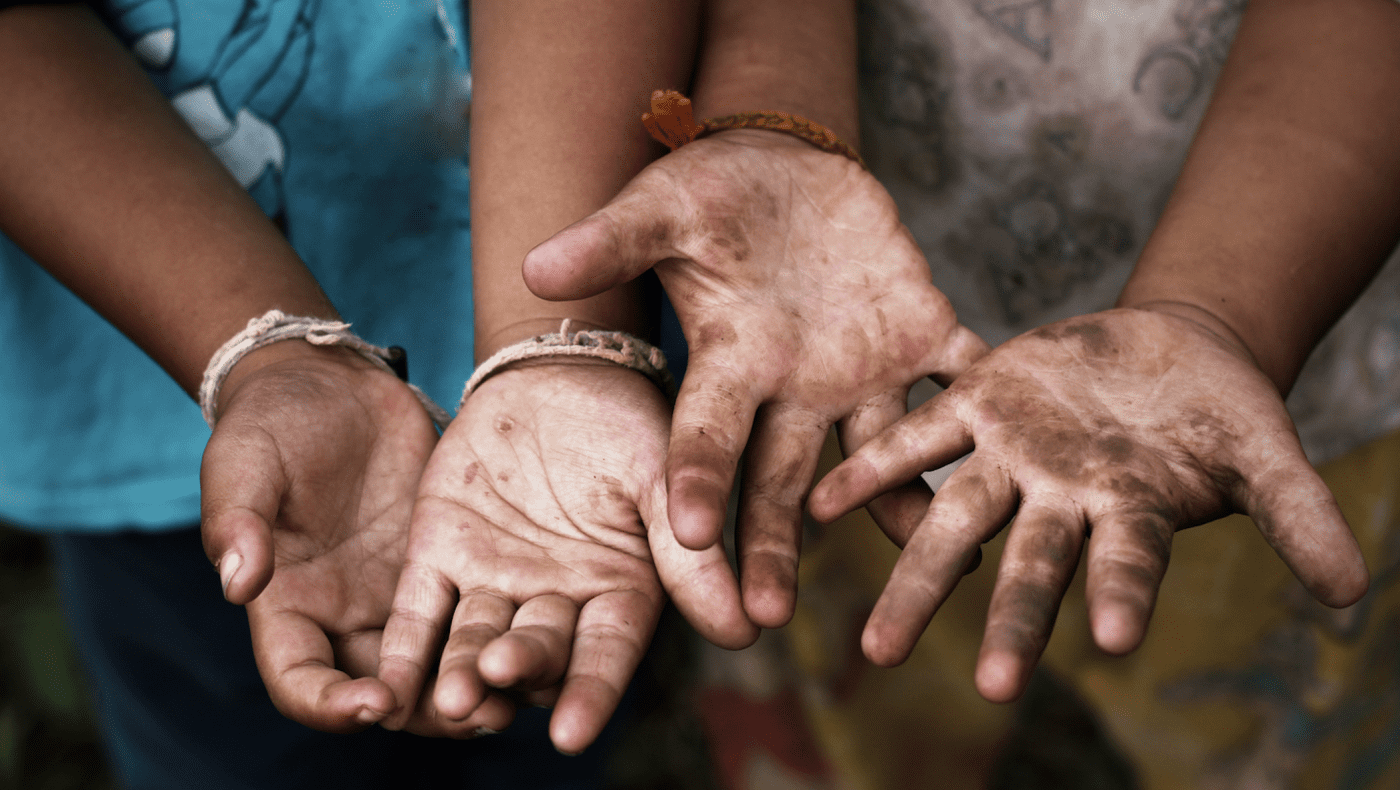
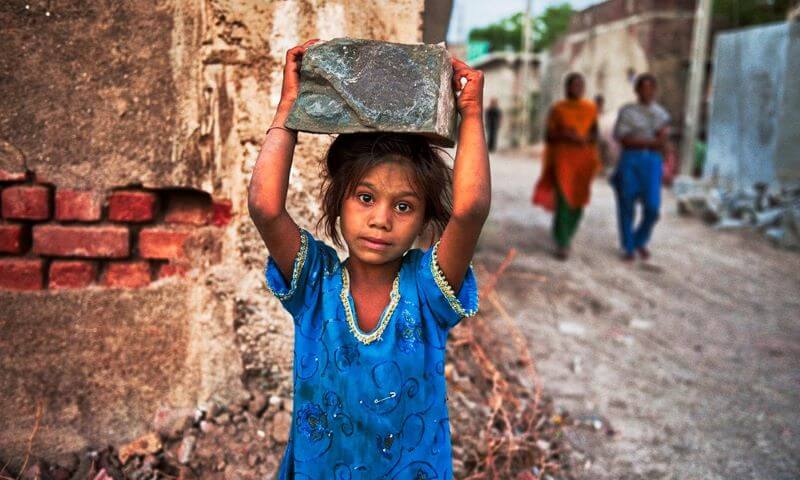
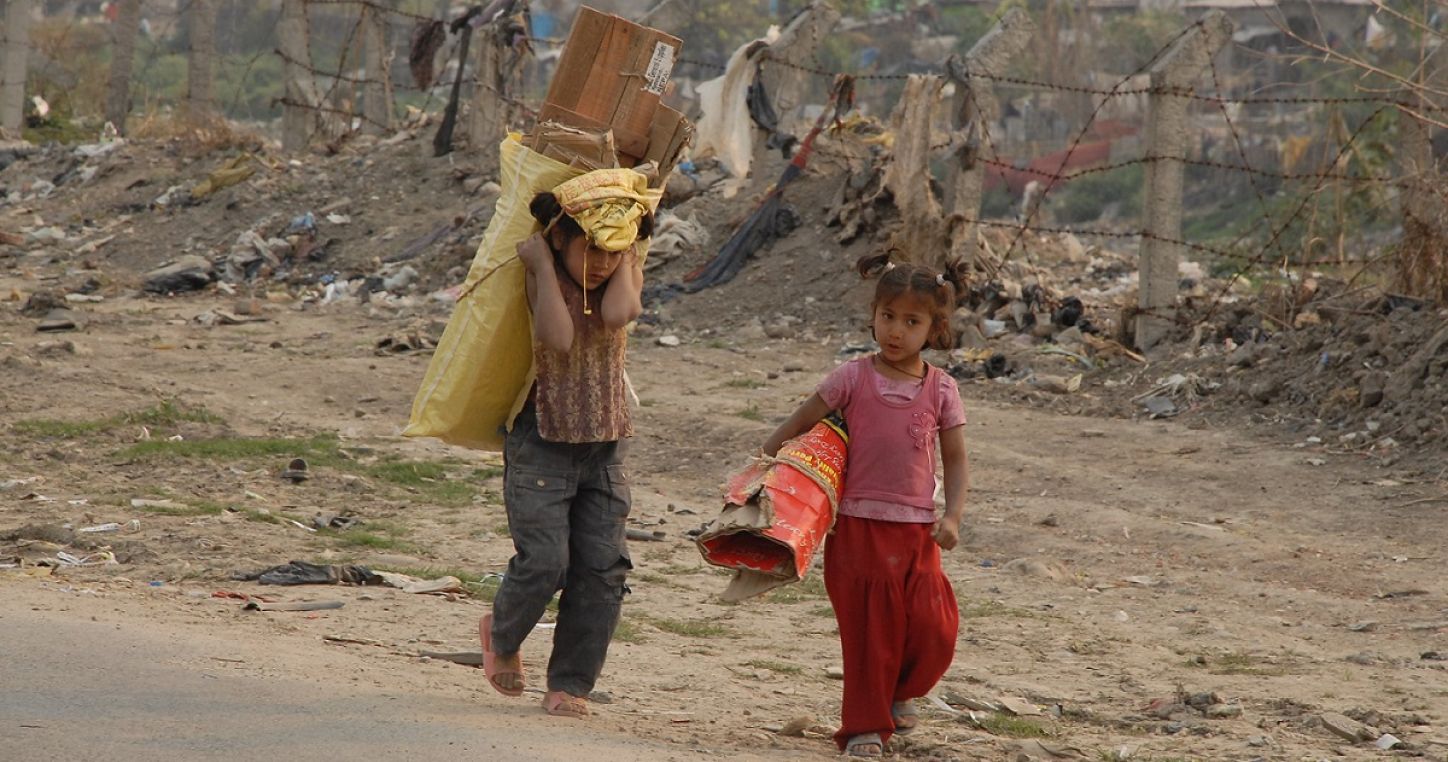
Instead of carrying schoolbags, they carry loads heavier than they should. Instead of entering classrooms, they enter workshops, factories, shops, construction sites, fields, or homes where they spend long hours working. While their peers are reading books and learning new skills, they are fulfilling responsibilities that belong to adulthood rather than childhood.
These children are not simply missing school for a day or a week. They are often missing opportunities that can shape an entire lifetime.
This reality is known as child labour, and despite global progress in education and children’s rights, it remains one of the most pressing challenges facing societies around the world. It is a challenge that affects not only individual children but also families, communities, and future generations.
At Schola Nova, we believe that childhood should be a time of learning, exploration, creativity, and growth. As a leading Cambridge school in Islamabad, we see education as far more than academic instruction. We see it as a gateway to opportunity, confidence, independence, and hope. Every child deserves the chance to discover their talents, pursue their interests, and build a future shaped by possibilities rather than limitations.
The phrase “Books, Not Bricks” captures this belief perfectly. It reminds us that every child deserves a classroom instead of a workplace, a notebook instead of a burden, and an opportunity to learn instead of a necessity to labour.
The fight against child labour is ultimately a fight for childhood itself.
The Childhood Every Child Deserves
Childhood is one of the most important stages of human development. It is a time when children learn not only academic concepts but also the skills, values, and experiences that shape who they become.
It is during childhood that curiosity blossoms. Children ask endless questions, explore their surroundings, and begin to understand the world around them. They develop friendships, discover talents, build confidence, and cultivate dreams about what they want to become in the future.
A child reading beneath a tree, building a science project, painting a picture, learning a new language, or participating in a school play may seem like ordinary moments. Yet these experiences play a crucial role in personal growth. They help children develop creativity, critical thinking, emotional intelligence, resilience, and social skills.
Unfortunately, child labour often deprives children of these opportunities.
When work replaces learning, childhood begins to shrink. There is less time for education, less time for play, less time for exploration, and fewer opportunities to develop the skills necessary for future success.
The loss is not always visible. It may appear simply as a child who no longer attends school or who struggles to keep up academically. Yet beneath the surface lies something much deeper: unrealized potential.
How many scientists, teachers, artists, innovators, writers, entrepreneurs, and leaders have been lost because they never had the opportunity to learn?
The answer is impossible to know.
What we do know is that every child deserves the chance to discover what they are capable of becoming.
Behind Every Working Child Is a Story
When discussions about child labour arise, statistics often dominate the conversation. We hear numbers that represent millions of children around the world. While these figures help us understand the scale of the issue, they rarely capture its human reality.
Behind every number is a child.
A child with dreams.
A child with talents.
A child with hopes for the future.
A child whose story deserves to be heard.
Imagine a child who watches other children walk to school every morning while they head to work instead. Imagine seeing classrooms filled with students and wondering what it might feel like to sit at one of those desks. Imagine wanting to learn but knowing that family circumstances leave little room for such opportunities.
For many children, child labour is not a choice. It is a consequence of circumstances beyond their control.
This is why conversations about child labour require empathy. It is easy to discuss the issue from a distance. It becomes much more meaningful when we remember the individuals behind the statistics.
Every child deserves dignity.
Every child deserves opportunity.
Every child deserves hope.
Why Does Child Labour Continue to Exist?
One of the most important questions we can ask is why child labour continues to exist despite widespread awareness of its harmful effects.
The answer is complex because several factors often work together.
Poverty remains one of the most significant causes. Many families face difficult economic circumstances and struggle to meet their basic needs. In such situations, children may be expected to contribute financially to support the household. For these families, survival often becomes the immediate priority.
This reality reminds us that child labour is not simply a matter of individual choices. It is frequently connected to broader social and economic challenges.
Limited access to education is another major factor. When schools are inaccessible, under-resourced, or unaffordable, children may have fewer opportunities to pursue formal education. Without access to quality learning environments, entering the workforce can appear to be the only available option.
Social inequality also plays a significant role. Children from vulnerable communities often face barriers that limit educational opportunities and increase the risk of exploitation. Economic hardship, discrimination, displacement, and lack of resources can all contribute to circumstances in which child labour becomes more common.
In some cases, a lack of awareness about the long-term value of education may also influence decisions. When families are focused on immediate survival, the benefits of education can seem distant compared to present financial needs.
Understanding these factors is important because it helps us move beyond judgment and toward solutions.
The Hidden Cost of Lost Classrooms
The effects of child labour extend far beyond missed school days.
When children are deprived of education, they lose opportunities that can shape the rest of their lives.
Education provides knowledge, but it also provides confidence. It teaches children how to think critically, communicate effectively, solve problems, and navigate challenges. It encourages them to imagine possibilities beyond their current circumstances.
Without access to education, opportunities become limited.
Career options narrow.
Potential remains undeveloped.
Dreams become harder to achieve.
The consequences are not only educational but also physical and emotional.
Many children involved in labour work long hours under difficult conditions. Such environments can affect their health, safety, and overall wellbeing. The burden of adult responsibilities at a young age can also contribute to emotional stress and anxiety.
Perhaps most concerning is the cycle of poverty that child labour often perpetuates. Children who leave school early may struggle to access better employment opportunities later in life, making it difficult to improve their circumstances. This cycle can continue across generations unless meaningful interventions occur.
This is why education remains one of the most effective tools for breaking the cycle.
Every classroom has the potential to transform a future.
Every lesson learned creates new possibilities.
Every opportunity to learn becomes a step toward a brighter tomorrow.
Education: The Most Powerful Tool We Can Place in a Child’s Hands
Throughout history, education has been one of humanity’s greatest catalysts for change.
It has empowered individuals, strengthened communities, and transformed societies.
The importance of education lies not only in what children learn but also in who they become through the learning process.
Education nurtures curiosity.
It develops confidence.
It encourages creativity.
It strengthens resilience.
It teaches children how to think independently and make informed decisions.
Most importantly, it helps children recognize their own potential.
At Schola Nova, we believe that education should inspire children to dream bigger than their circumstances. A classroom is not merely a place where information is delivered; it is a place where futures are built.
As one of the best schools in Islamabad, we strive to create learning experiences that help students discover their strengths, pursue their passions, and develop a lifelong love of learning.
Every child deserves access to an environment that encourages growth, curiosity, and possibility.
When children are given books instead of burdens, they gain something invaluable: the freedom to shape their own future.
What Schools Teach Beyond Textbooks
The role of schools extends far beyond academic instruction.
A truly meaningful education teaches lessons that cannot always be measured through grades or examinations.
Students learn how to collaborate with others.
They learn how to communicate respectfully.
They learn how to appreciate diversity.
They learn how to think critically about the world around them.
They learn empathy.
At Schola Nova, we believe these lessons are just as important as academic achievement.
As a school in Islamabad committed to holistic development, we aim to nurture learners who are not only knowledgeable but also compassionate, responsible, and socially aware.
Understanding issues such as child labour helps students develop a broader perspective on society. It encourages them to recognize both the privileges they enjoy and the challenges faced by others.
Education becomes most meaningful when it inspires action, understanding, and positive change.
Raising Children Who Notice, Care, and Act
One of the most valuable outcomes of education is awareness.
When students understand social challenges, they become better equipped to contribute positively to their communities.
Child labour awareness is not about making children feel guilty for opportunities they have. Rather, it is about helping them appreciate those opportunities while developing empathy for others.
Awareness encourages gratitude.
Empathy encourages compassion.
Compassion inspires action.
Schools can help nurture these qualities through discussions, community service initiatives, awareness campaigns, reading programs, debates, and projects that encourage students to engage with real-world issues.
The goal is not simply to inform students but to empower them.
Future leaders must understand not only how to achieve success but also how to use their knowledge and influence to improve the lives of others.
The Conversations That Begin at Home
Parents play a powerful role in shaping children’s values.
The lessons learned at home often become the foundation upon which character is built.
Simple conversations about fairness, kindness, gratitude, and responsibility can have a lasting impact.
Parents can help children understand the importance of education, the value of hard work, and the significance of children’s rights. They can encourage empathy by discussing social issues, reading stories that highlight resilience and courage, and participating in community initiatives together.
When schools and families work together, they create an environment that supports both academic and personal growth.
This partnership helps children develop into thoughtful individuals who understand their responsibilities toward others.
A World Built with Books, Not Bricks
Imagine a world where every child has access to quality education.
A world where classrooms are filled with eager learners and where no child is forced to sacrifice their education to survive.
Imagine communities where children are encouraged to ask questions, explore their talents, and pursue their dreams.
Imagine a future where every child has the opportunity to learn, grow, and thrive.
This vision may seem ambitious, but it begins with a simple belief: that every child matters.
Every child deserves opportunities.
Every child deserves dignity.
Every child deserves education.
As a top school in Islamabad, Schola Nova believes that meaningful change begins with awareness, compassion, and commitment. By investing in education, supporting children’s rights, and fostering socially responsible communities, we move closer to creating a world where every child can reach their full potential.
The Schola Nova Promise
At Schola Nova, education has always been about more than academic excellence.
It is about nurturing curious minds, kind hearts, and responsible citizens.
It is about helping students understand that true success is measured not only by personal achievement but also by the positive impact we have on the lives of others.
As a leading Cambridge school in Islamabad, we remain committed to providing an educational experience that encourages both intellectual growth and social awareness. We believe that every lesson has the power to inspire, every classroom has the power to transform, and every child has the power to make a difference.
The fight against child labour is ultimately a fight for opportunity.
It is a commitment to ensuring that every child has access to learning, hope, and possibility.
It is a belief that childhood should be filled with books, dreams, and discovery rather than burdens too heavy to bear.
Because every child deserves a childhood.
Every child deserves an education.
Every child deserves the chance to dream.
And every child deserves books—not bricks.
Books, Not Bricks. Learning, Not Labour. Opportunity, Not Exploitation.
That is the future we believe in.
That is the future worth building.