Choosing the Right School: 10 Questions Every Parent Should Ask

Selecting the right school for your child is one of the most meaningful decisions you will make as a parent. It is not just about choosing a building—it is about choosing a learning environment, a culture, and a space where your child will grow, explore, question, and discover who they are becoming. For families in the capital searching for the best school in Islamabad, the number of choices can feel overwhelming. Different curricula, philosophies, and school sizes leave parents wondering what truly matters.

At Schola Nova, we believe that parents make the best decisions when they have clarity. When you know what to ask, the right school becomes easier to identify. This guide reflects what we have learned over years of educating children in a nurturing, close-knit, home-based environment located in the heart of F-8—one that emphasizes relationships, academic strength, emotional well-being, and a strong teacher–student connection.

This blog is not merely a checklist. It is a thoughtful exploration of what makes a school feel right for your child.

1. Academic Programs: What Will My Child Be Learning?

Academics form the backbone of a school, but the curriculum is more than a collection of subjects—it is a philosophy of how children learn.

Curriculum Options

Whether a school offers a national board system or an international pathway such as IGCSE, parents must understand how each curriculum shapes skills and competencies.
As an IGCSE school in Islamabad, Schola Nova provides an internationally aligned approach supported by experienced faculty, conceptual clarity, and balanced assessments.

How Student Progress Is Measured

Ask how learning is evaluated:
• Formative assessments
• In-class quizzes
• Individual and group projects
• Analytical assignments
• Oral presentations
• Continuous teacher feedback

Assessment should be meaningful, consistent, and transparent.

Academic Enrichment

Even in a home-based setup, children can thrive academically with well-structured enrichment opportunities such as:
• Reading circles
• Creative writing
• Debate practice
• Math challenges
• STEM-based tasks suitable for small groups
• Research-based assignments

Enrichment is about depth, not grandeur. Smaller setups often allow targeted extensions for high achievers and additional support for students who need reinforcement.

2. Student Support: Does the School Prioritise Every Child?

A strong school is recognised not only by results but by how it supports every learner.

Student–Teacher Ratio

One of the greatest advantages of a home-based school environment is naturally smaller class sizes.
This allows teachers to:
• Notice individual strengths
• Identify areas requiring support
• Provide tailored academic guidance
• Build meaningful bonds with students

Schola Nova’s personalised instruction is a defining feature that parents appreciate.

Support for Different Learning Styles

Every child learns differently. Look for whether the school:
• Uses differentiated instruction
• Offers flexibility in teaching methods
• Supports slow or reluctant learners
• Encourages advanced students with extension tasks
• Has teachers trained in special educational needs awareness

Support is not about facilities—it is about mindset and teacher expertise.

Emotional and Counseling Support

Even without a formal counseling office, the presence of empathetic, trained educators makes a tremendous difference.
Students in smaller learning communities often receive:
• More individual attention
• Emotional reassurance
• Guidance for peer interactions
• Support during transitions
• Regular teacher–parent feedback loops

A nurturing environment matters more than the size of a building.

3. Culture & Discipline: What Values Will Shape My Child?

A school’s culture is not built through structures—it is built through people.

Philosophy of Discipline

Ask how the school handles challenges:
• Is it restorative or punitive?
• Are conversations used to build understanding?
• Are mistakes seen as learning opportunities?

At Schola Nova, discipline is rooted in respect, emotional intelligence, and responsibility rather than fear or punishment.

Inclusivity & Environment

Even in a home-based setting, the climate can be incredibly enriching when it:
• Fosters kindness
• Respects individuality
• Encourages initiative
• Celebrates diversity of abilities
• Promotes confidence and curiosity

Culture is felt in tone, relationships, communication, and daily interactions—not in the size of a campus.

Parent–School Partnership

In intimate learning environments, communication is naturally stronger.
Parents should expect:
• Frequent updates
• Constructive conversations
• A welcoming environment
• Openness to concerns
• Shared decision-making

Strong school–home collaboration leads to stronger children.

4. Facilities & Extracurriculars: What Does the School Offer Within Its Scale?

Parents often assume that only large campuses can provide wholesome learning, but smaller, home-based setups can be equally powerful—sometimes even more.

Realistic Facilities to Look For

Instead of expecting huge halls or elaborate labs, focus on:
• Clean, well-organized learning spaces
• Comfortable classrooms
• Quiet reading and work corners
• Age-appropriate materials
• Safe entry and exit points
• Access to essential learning tools

Meaningful Extracurricular Engagement

Extracurricular activities do not require massive infrastructure—they require intention.
Look for enriching opportunities such as:
• Public speaking
• Creative arts
• Mindfulness activities
• Outdoor sports in nearby accessible grounds
• Group projects
• Debates
• Community engagement
• Thematic activity days

Safety Standards

Safety is vital regardless of school size.
Parents should ask about:
• Visitor access control
• Emergency preparedness
• First-aid training
• Responsible adult supervision
• Safe classrooms and staircases

A home-based school can be exceptionally safe due to its controlled environment.

5. Questions to Ask During a School Visit


When visiting any school—especially a home-based setup—look beyond the physical space.
Ask questions that reveal the school’s philosophy:

  1. How do teachers keep students motivated in smaller group settings?

  2. What ongoing training do teachers receive?

  3. How is technology used without over-reliance?

  4. What is the typical class size?

  5. How does the school support different learning paces?

  6. Which extracurriculars are planned annually?

  7. How does the school handle peer conflict?

  8. How do parents stay involved in learning?

  9. How does the school prepare students for higher classes and IGCSE standards?

  10. What makes this school’s approach unique?

These questions help parents see the heart of the school—not just the structure.

6. The Schola Nova Perspective: What Truly Makes a School Great?

Schola Nova’s strength has always been its people, not its walls.

Child-Centered Learning

Every child learns differently, and small environments allow teachers to respond personally and thoughtfully.

Experienced IGCSE Faculty

Despite being home-based, Schola Nova maintains high academic standards supported by trained, qualified, and experienced teachers who prepare students for international benchmarks.

Balanced Education

We blend academics with emotional intelligence, creativity, responsibility, and social values—even without massive facilities.

Connection & Community

Our community thrives because relationships come first—between teachers, students, and parents.

Final Thoughts: Choose a School That Feels Right, Not Just Big

Choosing a school is not a competition of buildings—it is a discovery of values.
A small, well-managed, warm learning environment can often offer:
• More attention
• More care
• More emotional safety
• More meaningful learning
• More genuine teacher involvement
• More confidence-building experiences

At Schola Nova, we welcome parents to visit, observe, and engage with our community to see how a thoughtfully-run home-based environment in F-8 can still stand among the best schools in Islamabad, through heart, quality, and authenticity.

If you’re exploring IGCSE schools in Islamabad or seeking a personalised learning environment where your child is truly seen, Schola Nova is ready to welcome you.

Exam Preparation Strategies for Middle School Students: Plan and Succeed

Preparing for examinations during the middle school years is a significant developmental milestone. Students encounter increasing academic demands, more complex subject matter, and greater expectations for independence. This transition often brings heightened pressure.

However, research consistently shows that the quality of exam preparation depends far more on the methods used than the number of hours spent studying. Effective preparation involves structured planning, active engagement with content, and the development of self-regulation skills that support both academic performance and emotional wellbeing (Zimmerman, 2002). Middle school therefore becomes an important stage for cultivating habits that influence long-term academic success.

A successful approach to exam preparation is multidimensional. It requires:

  • A structured study schedule

  • Active revision techniques

  • Constructive parental involvement

  • Emotional regulation strategies for exam day

When combined, these elements transform exam preparation from a stressful experience into an empowering one. The following sections present a research-informed guide designed to support middle school students as they prepare effectively and confidently for their assessments.

Establishing a Consistent and Structured Study Schedule

One of the strongest predictors of academic achievement is the development of a consistent study routine. Structured schedules provide direction, reduce cognitive overload, and establish healthy patterns of self-regulation. Students who maintain predictable study habits tend to perform better because they learn to manage time, monitor progress, and adjust strategies in response to challenges (Duckworth and Seligman, 2005).

Beginning revision three to four weeks before examinations allows for gradual consolidation of knowledge and repeated exposure to key concepts.

How to Create an Effective Study Schedule

  • Break subjects into manageable units

  • Use moderate-length study sessions with short breaks

  • Prioritize difficult subjects earlier in the day

  • Display the schedule in a visible place for accountability

Cognitive Load Theory supports this approach, suggesting that information is more easily processed and retained when divided into meaningful segments (Sweller, 1988). These methods help sustain attention while preventing fatigue, encouraging consistent learning habits crucial for exam success.

Using Active Revision Techniques That Strengthen Learning

A structured schedule provides a framework, but effective exam preparation depends on what students do during their study time. Research consistently shows that active learning strategies lead to stronger retention than passive reading (Dunlosky et al., 2013).

Below are evidence-backed revision techniques ideal for middle school students.

1. Mind Maps and Visual Organisers

Mind maps and concept diagrams help students create visual connections between ideas. This enhances comprehension because learners represent knowledge in both verbal and spatial forms, improving retrieval during examinations (Novak, 1998).

2. Flashcards with Spaced Repetition

Flashcards effectively reinforce vocabulary, formulas, dates, and definitions. When paired with spaced repetition, students revisit content at increasing intervals, significantly improving long-term memory retention (Kang, 2016).

3. Practice Using Past Examination Papers

Working with past papers helps develop familiarity with exam patterns, improves time management, and strengthens retrieval skills. Test-enhanced learning research confirms that retrieval practice is one of the most powerful tools for deep learning (Roediger and Karpicke, 2006).

4. Teach-Back and Self-Explanation

Explaining concepts aloud is a highly effective metacognitive technique. The teach-back method helps students identify knowledge gaps and deepen understanding (Chi et al., 1994).

5. Highlighting and Meaningful Summarisation

When done purposefully, highlighting helps identify essential information. Summaries, colour-coded labels, and outline notes support structured learning and efficient final revision.

These techniques foster active engagement, stronger memory, and deeper comprehension—perfectly suited to the cognitive development stage of middle school students.

Supporting Exam Preparation Through Constructive Parental Involvement

Parents play an essential role in shaping the study environment and supporting emotional wellbeing. Research shows that positive parental involvement strongly correlates with better academic outcomes (Fan and Chen, 2001).

How Parents Can Support Exam Preparation

  • Ensure a quiet and organized study space

  • Conduct simple daily check-ins

  • Encourage routines that support cognitive functioning

  • Promote a balanced lifestyle

Adequate sleep, hydration, nutrition, and physical activity significantly influence focus and emotional regulation. Sleep quality, especially, is linked to memory and academic performance (Owens, 2014).

Celebrating consistency and effort helps build a growth mindset, reduces anxiety, and boosts motivation—critical for developing confidence in middle school learners.

Strategies for Maintaining Calm and Confidence on Exam Day

The emotional component of exam preparation is often underestimated. Even well-prepared students may feel anxious, which affects working memory and performance.

Research shows that clear routines and emotional regulation techniques significantly improve exam outcomes (Putwain and Daly, 2014).

The Night Before the Exam

  • Keep the evening calm and organized

  • Review summaries lightly

  • Prepare school essentials

  • Prioritize adequate sleep

Heavy late-night studying reduces memory consolidation and alertness (Curcio et al., 2006).

The Morning of the Exam

  • Eat a balanced breakfast

  • Arrive early

  • Stay calm and focused

During the Exam

  • Read instructions carefully

  • Start with easier questions

  • Manage time steadily

  • Review answers before submitting

Avoiding stressful conversations with peers protects confidence and focus.

Conclusion

Effective exam preparation in middle school is a holistic process combining structured schedules, active revision techniques, supportive parenting, and healthy exam-day habits. With these practices, exams shift from sources of stress to opportunities for demonstrating growth.

Schola Nova Help Students to establish these habits:

  • Confidence

  • Resilience

  • Discipline

  • Long-term academic success

With thoughtful guidance and research-informed strategies, middle school learners can approach their examinations with clarity, competence, and strong self-belief.

All the World’s a Stage: Schola Nova’s Celebration of Courage, Creativity and Character

“All the world’s a stage, and all the men and women merely players.” — William Shakespeare

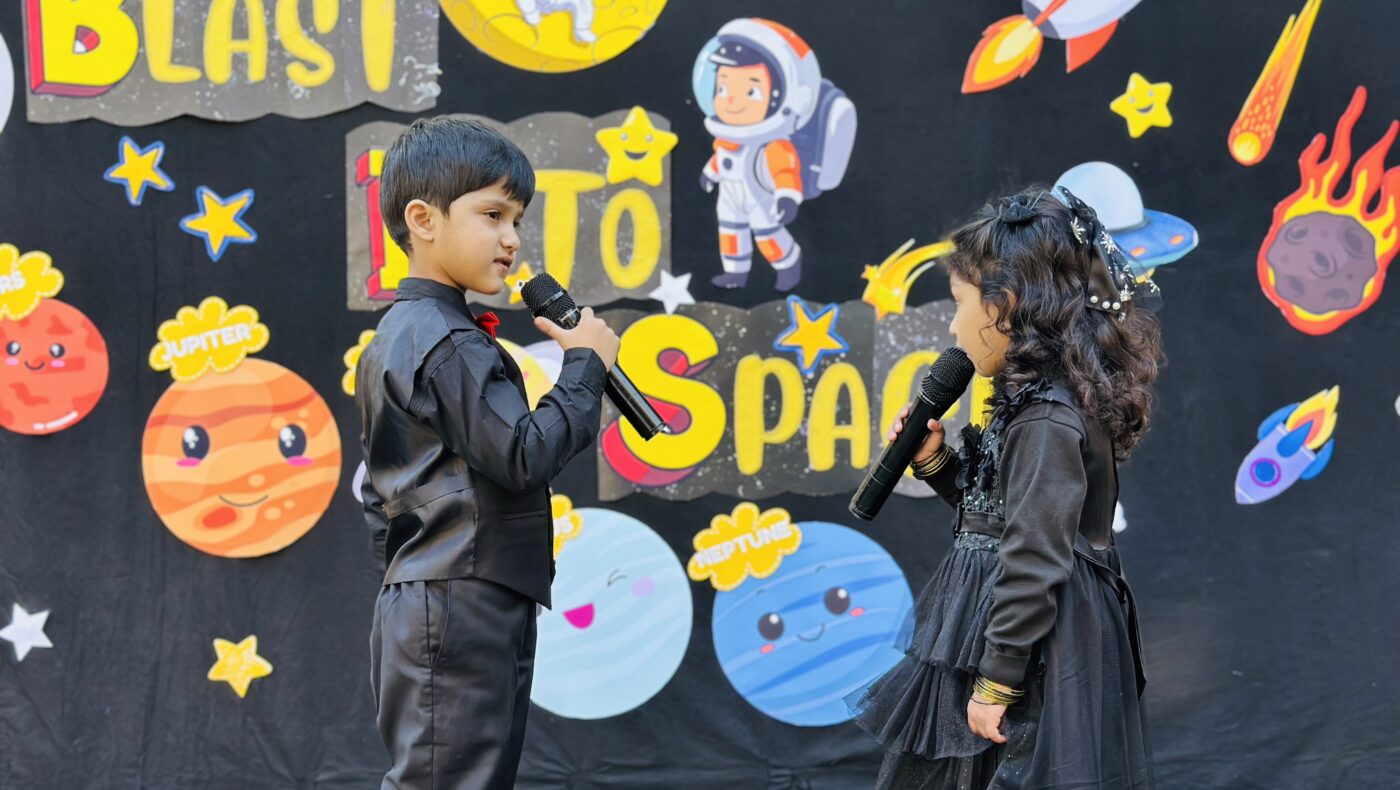
Schola Nova’s Annual Drama Festival 2025 brought these iconic words to life in the most vibrant and meaningful way. More than an event, it was a tribute to imagination, courage, community, and the lifelong learning that defines the Schola Nova experience.

The Stage as a Transformative Classroom

At Schola Nova, performing arts are not an extracurricular luxury; they are an essential part of holistic education. We see the stage as a powerful learning space where students discover their voice, embrace confidence, and learn the value of collaboration.

Our philosophy echoes the ideas of some of the most influential thinkers in education and psychology. Sir Ken Robinson, a global advocate for creativity in learning, reminds us, “Creativity is as important in education as literacy.” Lev Vygotsky, a pioneer in child development, highlighted the role of dramatic play by stating, “In play, a child behaves beyond their daily self — a head taller than they are.” Howard Gardner, known for the Theory of Multiple Intelligences, emphasized that schools must cultivate all forms of intelligence, not only linguistic and mathematical abilities.

Drama nurtures emotional expression, empathy, creative thinking, and resilience. These abilities are now considered essential for success in modern life. For our students, the festival was not only a performance; it was an experience where character was strengthened and creativity was awakened.

Academic Excellence with a Creative Edge

For more than 27 years, Schola Nova has been recognised as a leading institution in Islamabad, known for its balanced learning, strong values, and commitment to academic brilliance. Our Cambridge IGCSE results continue to shine, with 94 percent A grades and yet another World Distinction earned in 2025.

However, academic achievement at Schola Nova extends far beyond numbers and grades. We believe in what John Dewey taught the world: “Education is not preparation for life; education is life itself.” Albert Einstein also reminded educators everywhere that “Imagination is more important than knowledge.” By integrating creativity with academic excellence, we prepare students who excel in examinations while also remaining curious, confident, and compassionate.

A Community United by Creativity

This year’s Drama Festival stood out because it was a collective effort of students, teachers, and families working together. Every script, costume, rehearsal, and performance carried its own story of practice, passion, and dedication. Nelson Mandela’s timeless words ring true here: “It takes a village to raise a child.”

The auditorium echoed with cheers of encouragement, each one strengthening our young performers and lifting their confidence. The festival showed how beautifully a community can come together to support children in their journey of growth and expression.

We extend heartfelt gratitude to our parents for their trust and unwavering support, and to our teachers whose guidance continues to inspire excellence in every child.

The Schola Nova Spirit

At Schola Nova, every opportunity—whether academic, artistic, or social—is designed to help students stand tall, speak confidently, and pursue their dreams. Brené Brown, a leading researcher on courage and authenticity, reminds us, “Courage starts with showing up and letting ourselves be seen.” Every child who stepped on stage embodied this courage. Every performance reflected growth, confidence, and the joy of self-discovery.

As the curtain closes on this year’s festival, what remains is not only the memory of the performances but the journey of becoming. The creativity, the courage, the teamwork, and the moments of learning all come together to create the Schola Nova spirit.

Discover Schola Nova

Schola Nova is more than a school. It is a community where learning comes alive, creativity thrives, and every child is encouraged to shine. To learn more about our programs, admissions, or educational philosophy, please visit our website or contact the school office.

The Art of Failing Forward: How Mistakes Build Mastery | Schola Nova Islamabad

When the Word Was Misspelled but the Lesson Was Perfect

The hall was silent except for the soft hum of anticipation.
It was the elimination round of the recent Spelling Bee competition at Schola Nova Islamabad, one of the best schools in Islamabad. Rows of parents and classmates watched proudly, holding their breath.

On stage stood a nervous ten-year-old, representing one of the top schools in Islamabad known for encouraging confidence and courage. She had spelled every word correctly until now. Then came the word that changed everything. She spoke it carefully, paused, and waited.

A moment later, the judge rang the bell: wrong answer. Her eyes flickered with disappointment, but when she looked at her teacher, the teacher simply smiled and nodded. Without a word, the student took a bow and returned to her seat. The audience clapped not out of sympathy, but admiration.

That quiet comeback the ability to rise from a small stumble with grace Is what failing forward truly looks like.

Rethinking What Failure Really Means

For too long, failure has been treated like a final verdict.
In schools across the world and in many private schools in Islamabad, mistakes are often seen as proof of weakness or lack of intelligence. But in truth, failure is feedback it tells us what to try differently next time.

At Schola Nova, among the best O Level schools in Islamabad, we believe the most valuable lessons come not from getting everything right but from learning to recover when things go wrong. The best schools in Islamabad are moving beyond a test-score culture and embracing what psychologists call a growth mindset the belief that ability grows through practice, patience, and persistence.

The Science Behind the Growth Mindset

Neuroscientists have found that when students make mistakes, their brains light up with new activity.
Errors trigger reflection, adaptation, and learning—the very processes that strengthen intelligence.

When students are taught that the brain grows through challenge, their motivation increases dramatically. That’s why at Schola Nova Islamabad, teachers often remind students:

“Your brain learns best when it’s a little uncomfortable.”

This principle, backed by research from Cambridge International Education, underpins the idea of growth mindset and helps transform I can’t into I can’t yet.

The Classroom as a Safe Place to Fail

True learning requires the courage to make mistakes without fear of judgment.
That’s why classrooms at Schola Nova Islamabad are designed to encourage experimentation, curiosity, and creativity.

  • In science labs, a fizzled experiment sparks discussion instead of disappointment.

  • In creative writing, a messy first draft becomes a starting point for brilliance.

  • In mathematics, a wrong answer becomes a collective puzzle, not a personal flaw.

This culture helps our students become resilient thinkers. They learn that progress often looks like a series of imperfect steps that eventually lead somewhere extraordinary.

Learn more about our Schola Nova Academic Programs to see how we integrate curiosity-based learning.

When Effort Outweighs Outcome

Returning to our Spelling Bee example, the little girl didn’t lose that day—she learned.
Her willingness to participate again reflected something far more valuable than perfect memory: resilience.

At Schola Nova Islamabad, one of the top private schools in Islamabad, we remind our learners that courage matters more than correctness. The goal is not to be flawless—it’s to be fearless.

Lessons That Last Longer Than Grades

When children adopt this mindset, their relationship with learning transforms.
They stop asking, “Am I good at this?” and start asking, “How can I get better?”

A student who struggles with reading today becomes the one who practices tomorrow.
A debate team that loses this year comes back stronger next year.
These are the lessons that make Schola Nova one of the best schools in Islamabad for long-term student development.

How Teachers Model Failing Forward

At Schola Nova Islamabad, teachers lead by example.
When technology glitches mid-presentation or a lesson plan doesn’t go as expected, they adapt calmly and continue. By observing this, students learn that mistakes are temporary, recoverable, and normal.

This kind of environment makes Schola Nova stand out among Islamabad schools for its emphasis on emotional growth and real-world readiness.

From Art Rooms to Athletics

The art studio is full of tiny experiments—smudged lines that turn into textures, misplaced colors that inspire new patterns.
In the music room, wrong notes often lead to new harmonies.
On the sports field, missed goals teach coordination and patience better than any lecture could.

Each of these experiences reinforces the idea that growth happens through action, reflection, and persistence.

Resilience in Everyday Moments

Resilience isn’t always loud or dramatic—it’s quiet, steady, and consistent.
It’s the student who keeps trying after two failed attempts, the one who joins the spelling bee again after missing last year’s final, or the child who raises a hand even after being wrong before.

These small moments, nurtured daily at Schola Nova Islamabad, build lasting confidence and adaptability.

A School That Redefines Success

At Schola Nova, success isn’t about always being right—it’s about being ready to learn, ready to grow, and ready to persevere.
When students realize that failure doesn’t define them but refines them, they start taking creative risks and exploring without fear.

Discover how we’re redefining success at Schola Nova Admissions.

What Parents Can Do

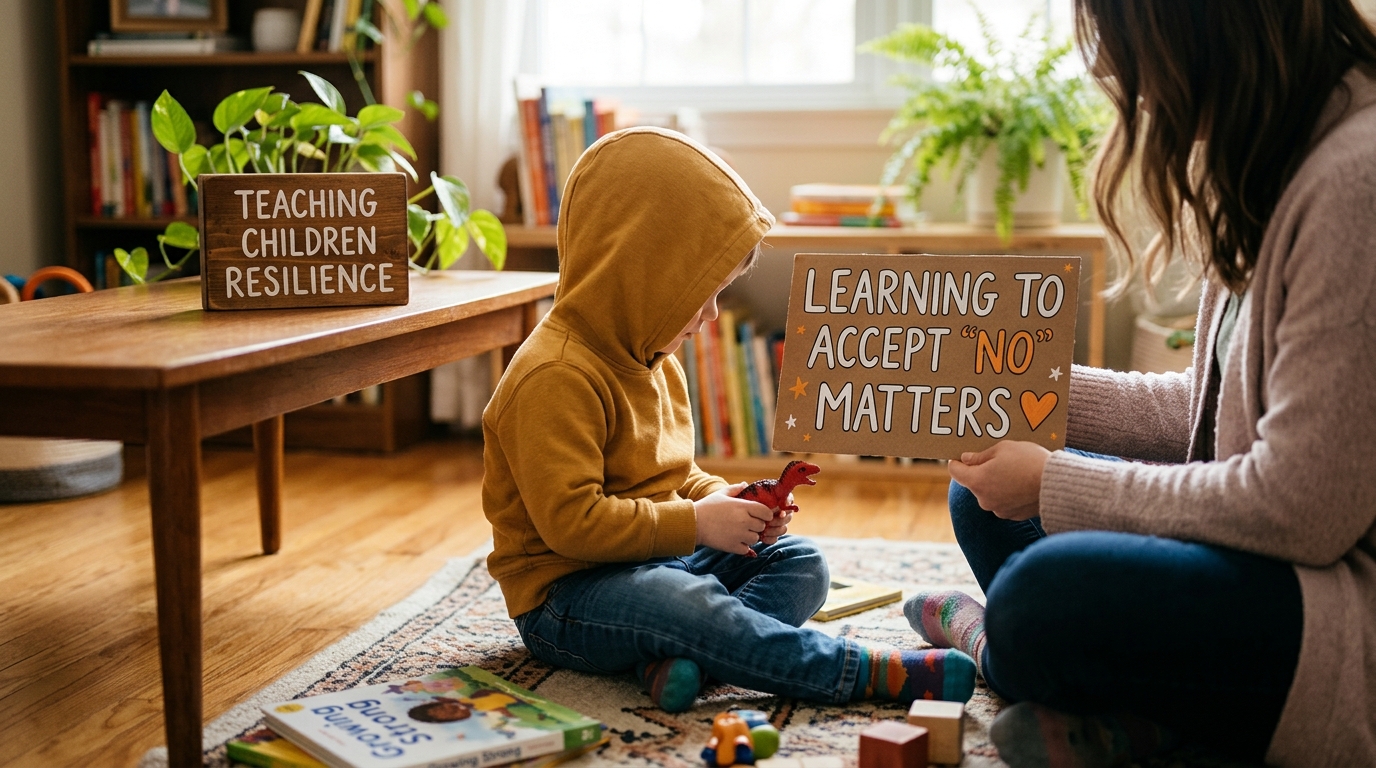
Parents play a vital role in nurturing resilience. Small changes in how they respond to mistakes can shape a child’s mindset.
Instead of “You’re so smart,” say “You worked really hard on that.”
Instead of “You failed,” say “You learned what doesn’t work yet.”

At home, celebrating effort builds the same emotional muscle we nurture in school. Together, this partnership helps children thrive both academically and emotionally.

The Bigger Picture

The art of failing forward isn’t about ignoring disappointment—it’s about reframing it.
It teaches patience, perseverance, and perspective.
At Schola Nova Islamabad, one of the top schools in Islamabad, we take pride in helping students understand that every setback is a setup for growth.

Read more about our Cambridge O Level Program.

The Real Victory

Years later, when that same student stood on stage again older, calmer, and wiser she won.
Not because she spelled every word correctly, but because she had learned what truly mattered: courage, humility, and perseverance.

At Schola Nova Islamabad, we teach that a stumble is not the opposite of success it is the path to it. Because every child deserves to know that falling is part of flying, and mistakes, when embraced with courage, are simply the art of failing forward.

Balancing Academics and Extracurricular Activities: The Schola Nova Way to Student Success

 The Modern Student’s Challenge

In today’s fast-paced educational landscape, success goes beyond textbooks and test scores. True learning happens when students are given opportunities to explore, express, and excel  both inside and outside the classroom.

At Schola Nova Islamabad, one of the best schools in F-8 and a proud Cambridge-affiliated institution, we recognize that a balanced education creates confident, capable, and compassionate learners. Our philosophy ensures that students don’t have to choose between grades and growth; they can enjoy both through guided balance and joyful discovery.


Why Balance Matters More Than Ever

Balancing academics with extracurricular activities is about more than managing time it’s about nurturing the whole child. Students who engage in sports, debates, and creative arts learn to organize, collaborate, and persevere skills that naturally translate into stronger academic performance.

Studies consistently show that students who participate in extracurricular activities exhibit better concentration, improved memory, and greater resilience. These students tend to perform better in exams, not because they study longer, but because they learn smarter.

At Schola Nova, we believe that academic excellence and personal growth are not competing goals; they are two sides of the same coin. Our mission is to provide an environment where students can achieve both with joy and confidence.


The Schola Nova Philosophy: Education That Feels Whole

At Schola Nova, we see education as a continuous journey of discovery  where intellect meets imagination, and effort meets enjoyment. Our school’s motto, “Where Learning Is Joy,” reflects a deep commitment to nurturing curiosity alongside competence.

From early years to IGCSE, our curriculum blends academic rigor with creative freedom. Lessons are designed to promote inquiry and critical thinking, while co-curricular and extracurricular programs allow students to apply these skills in real-world contexts.

We are proud to be recognized among the best schools in Islamabad for offering a holistic learning environment where every child’s unique potential is valued and developed.


Academic Excellence Led by the Best IGCSE Teachers

Academic success begins with exceptional teaching. Schola Nova’s Cambridge-certified faculty are not just subject experts  they are mentors who inspire intellectual curiosity and self-discipline.

Our O Level and IGCSE programs are taught by some of the best IGCSE teachers in Islamabad, known for their personalized approach and innovative methodologies. Whether it’s mastering complex math concepts or analyzing literature, our teachers ensure that every student builds a strong conceptual foundation.

Regular assessments, project-based learning, and small class sizes ensure individualized attention  allowing students to thrive academically while still participating actively in school life.


Extracurricular Excellence: Beyond the Classroom

Learning at Schola Nova extends far beyond books. Our rich and vibrant extracurricular framework empowers students to discover their passions, develop soft skills, and build lasting confidence.

Some of the signature programs include:

  • Annual Drama Festival – Where creativity takes center stage and students learn expression, teamwork, and discipline.
  • Writer’s Fair and Debate Competitions – Sharpening communication, logic, and persuasive reasoning.
  • Science and Innovation Exhibitions – Encouraging research-based inquiry and critical problem-solving.
  • Sports Gala and Athletic Meets – Instilling fitness, sportsmanship, and resilience.
  • Art and Music Workshops – Nurturing creativity, focus, and emotional intelligence.
  • Community Service and Environmental Projects – Teaching empathy, responsibility, and leadership.

These experiences are not “extras.” They are integral to Schola Nova’s belief that education should prepare children to lead with both intellect and integrity.


Time Management: The Secret Skill for Student Success

Balancing academics and extracurricular activities requires planning and prioritization skills that serve students throughout life. Schola Nova helps students master these skills through practical guidance and structured routines.

Here are a few tried-and-tested strategies we emphasize:

  1. Set Priorities Wisely – Identify what truly matters each week assignments, practice sessions, or rest.
  2. Plan Ahead – Using planners or digital tools to organize study and play.
  3. Avoid Procrastination – Tackle smaller tasks early to avoid pressure.
  4. Balance Effort and Rest – Recharge regularly; productivity depends on mental clarity.
  5. Ask for Help – Our teachers and counselors guide students through busy schedules and stress.

Through consistent mentoring, students at Schola Nova learn to balance their commitments a life skill that makes them independent learners and future leaders.


The Role of Parents: Partners in Balance

A child’s success depends on harmony between school and home. At Schola Nova, we maintain strong parent-school partnerships through open communication, progress meetings, and shared goal-setting.

We encourage parents to:

  • Celebrate effort, not just achievement.
  • Support extracurricular participation.
  • Allow downtime for creativity and reflection.
  • Avoid comparisons each child’s growth path is unique.

Together, we build a community that celebrates progress, resilience, and the joy of learning values that define Schola Nova.


Emotional and Mental Well-Being: The Core of True Learning

Education is incomplete without emotional balance. Through counseling sessions, mindfulness programs, and awareness events, students learn emotional regulation, self-confidence, and empathy skills as essential as academic knowledge.

A balanced student is a happier student and a happier student learns better.


Teachers as Mentors and Guides

Schola Nova’s educators play a unique dual role they teach, but they also transform. Teachers encourage inquiry, guide reflection, and celebrate effort. They nurture independence while providing consistent support.

This mentorship culture is one reason Schola Nova is regarded as a top school in Islamabad for students preparing for O Levels and IGCSE. The bond between teachers and students creates an environment of trust, where every learner feels seen, understood, and inspired.


The Environment That Inspires Balance

Located in the heart of F-8/3 Islamabad, Schola Nova offers a campus designed for growth — spacious classrooms, science and computer labs, creative studios, and play areas that inspire exploration.

Every corner of the school encourages balance:

  • The library invites quiet reflection.
  • The art room fuels imagination.
  • The sports courts promote health and teamwork.
  • The stage becomes a space of self-expression and confidence.

Our environment embodies the spirit of holistic education — safe, stimulating, and full of opportunities to learn both academically and emotionally.


Skill Development Beyond Books

Extracurricular experiences cultivate life skills that no textbook can teach. Schola Nova emphasizes the “4 C’s” of 21st-century learning:
Critical Thinking, Creativity, Communication, and Collaboration.

Whether students are debating global issues or organizing a charity drive, they learn how to lead with empathy, think independently, and work as part of a team — traits that define future changemakers.

Why Schola Nova Is Among the Best Schools in F-8 Islamabad

Parents seeking the best school in Islamabad for holistic education often find their answer in Schola Nova’s balanced philosophy. Here’s why:

  • Cambridge-Certified Teachers with proven academic excellence.
  • Comprehensive Curriculum integrating academics, arts, and sports.
  • Personalized Attention through small class sizes.
  • State-of-the-Art Facilities supporting both intellectual and physical development.
  • Inclusive Culture that values diversity, empathy, and creativity.
  • Strong Community Links connecting students to real-world learning opportunities.

Whether preparing for IGCSE examinations or developing leadership through the Drama Festival or Sports Gala, students receive an education that equips them for both academic success and emotional intelligence.


Admissions at Schola Nova: Building the Next Generation of Balanced Learners

Families searching for IGCSE schools in Islamabad often choose Schola Nova for its reputation, results, and community warmth. Admissions are open to students who seek not just schooling, but a transformative experience.

Our admission process focuses on discovering potential  not pressure. We value curiosity, creativity, and character as much as grades.

To learn more, visit www.scholanova.edu.pk or connect with us on Instagram @scholanovasenior. Explore why we continue to be celebrated as one of the top schools in F-8 and among the best IGCSE schools in Islamabad.


The Long-Term Impact of Balance

Students who learn balance early become adults who can manage careers, relationships, and well-being effectively. They grow into emotionally intelligent, self-driven individuals, precisely what the world needs today.

At Schola Nova, this lifelong advantage begins with one simple principle: Education should develop the mind without neglecting the heart.


Conclusion: Learning That Lasts a Lifetime

Balancing academics and extracurricular activities is not a challenge at Schola Nova, it’s our culture. Through guided mentorship, world-class academics, and joyful exploration, our students experience education that feels whole.

They leave our gates not only as top performers but as balanced individuals — confident, creative, and compassionate.

Because at Schola Nova, success isn’t measured only by grades, it’s measured by growth.


AI in the Classroom: A Friend, Not a Shortcut

Artificial Intelligence (AI) is reshaping how children learn, think, and express themselves. From writing essays to solving science problems, tools like ChatGPT, DeepSeek, and Google Gemini have quickly become part of students’ academic lives.

At Schola Nova Islamabad, one of the best schools of Islamabad offering IGCSE and O Level programs, we believe in nurturing curiosity with responsibility. As technology advances, it becomes essential for young learners to understand not just how to use AI, but how to use it wisely as a partner in learning, not a replacement for thinking.


 What Are ChatGPT, DeepSeek & Google Gemini?

  • ChatGPT: A conversational AI by OpenAI that explains lessons, answers questions, and even helps with creative writing or research.
  • DeepSeek: A newer AI model from China, known for supporting multiple languages and helping with coding, projects, and academic writing.
  • Google Gemini: Developed by Google DeepMind, it processes text, images, and audio together, making it one of the most interactive learning tools today.

Together, these platforms represent an exciting leap in education but, like every powerful tool, they must be handled with care.


How AI Helps Students Learn Better

AI can make learning more engaging and accessible when used thoughtfully. Here are some ways it supports students’ growth:

  1. Instant Academic Support: Tools like ChatGPT can explain complex ideas in seconds, helping students review lessons in science, history, or mathematics anytime.
  2. Improved Writing and Expression: AI models correct grammar, suggest vocabulary, and guide students in structuring essays, enhancing their writing confidence.
  3. Personalized Learning: Each child learns differently. AI allows learners to set their own pace, request simpler explanations, or explore advanced content.
  4. Preparation for the Future: Understanding AI today equips students with the digital fluency needed for tomorrow’s world where every field will integrate technology.
  5. Confidence and Curiosity: When used well, AI encourages children to ask questions and explore beyond textbooks, nurturing lifelong curiosity.


The Other Side: Risks of Overusing AI

At Schola Nova, we remind students that technology is powerful — but only when balanced with independent thought. The risks of AI misuse include:

  1. Incorrect or Misleading Information: AI sometimes sounds confident even when wrong. Students must double-check with teachers and reliable sources.
  2. Over-Reliance on Technology: Using AI for every task can make students passive learners, reducing their creativity and problem-solving ability.
  3. Academic Dishonesty: Copying AI-generated work without understanding it defeats the purpose of learning. Original thought matters.
  4. Privacy and Data Concerns: Students must never share personal details like names, photos, or school information on AI platforms.
  5. Reduced Human Interaction: No screen can replace the joy of discussion, teamwork, and classroom collaboration.
  6. Digital Inequality: Not every child has the same access to technology, reminding us that empathy and inclusion are as important as innovation.


Responsible AI Use at Schola Nova

As one of Islamabad’s most forward-thinking IGCSE and O Level schools, Schola Nova encourages digital literacy with mindfulness. We guide our students to use AI in ways that enhance learning, not replace effort.

  •         Here are our golden rules for responsible AI use:
  •         Use AI to understand topics,  never to copy answers.
  •         Cross-check all information with books, teachers, or reliable sources.
  •         Protect privacy, never share personal data.
  •         Seek teacher guidance when unsure about how to use AI.
  •         Balance digital tools with real reading, reflection, and discussion.


A Practical Example

Not Recommended: “Write my essay on climate change.”
Better Approach: “Give me ideas for an essay about how students can help fight climate change.”

The goal is not to have AI do the thinking,  it’s to make our thinking deeper and more informed.


Conclusion: Learning with Heart and Mind

Artificial Intelligence is here to stay, but how we use it will define the kind of learners and citizens our children become. At Schola Nova, we don’t fear technology; we teach students to lead it with wisdom, empathy, and integrity.

In nurturing this balance, we ensure that our students grow into the kind of thinkers the world truly needs curious, kind, and responsible.

Because real learning is not just about what a machine can answer it’s about how a human can understand, connect, and create meaning from it.


How Schools Can Teach Children the Value of Teamwork

Teamwork is more than a classroom activity — it is a life skill that shapes confident, empathetic, and capable individuals. In today’s world, where collaboration drives success, schools play a vital role in teaching teamwork to students. When children learn to share ideas, listen, and build together, they not only grow academically but also develop emotional intelligence, leadership, and social awareness.

At Schola Nova, one of the best schools of Islamabad offering IGCSE and O Level programs, teamwork in schools is a cornerstone of our learning philosophy. We believe that education extends far beyond textbooks, it’s about preparing students to thrive in communities, workplaces, and relationships where cooperation and mutual respect are key.


The Importance of Teamwork in Schools

The importance of teamwork goes well beyond completing group projects. It cultivates the skills and attitudes that enable children to become resilient learners and compassionate individuals. Through collaborative learning and group activities for students, teamwork nurtures:

  • Effective Communication – Expressing thoughts clearly and listening with empathy.
  • Collaboration Skills – Working respectfully and efficiently toward shared goals.
  • Problem-Solving Abilities – Thinking creatively to overcome challenges together.
  • Leadership and Responsibility – Taking initiative and valuing accountability.
  • Conflict Resolution – Learning to disagree respectfully and find common ground.

In a nurturing school environment like Schola Nova, these lessons unfold naturally through shared experiences in class discussions, projects, and co-curricular events.


Classroom Strategies for Teaching Teamwork

Teachers play a pivotal role in fostering classroom teamwork strategies that encourage students to learn from one another. At Schola Nova, educators design learning spaces where curiosity meets cooperation.

Group Projects That Inspire Collaboration

Students regularly engage in group projects  from research to art and science displays. For example, during our annual Science Exhibition, students work in teams of two or three to create models and presentations in subjects like Science, History, IT, and Chemistry. This hands-on experience builds team spirit and helps them appreciate how diverse ideas combine into innovative outcomes.

 Debates and Discussions That Strengthen Voices

Our O Level and IGCSE students often participate in classroom debates and discussions that emphasize respectful dialogue. These sessions develop teamwork and leadership qualities while teaching students to consider multiple viewpoints before forming conclusions.

 Team-Building and Cooperative Learning Activities

Beyond academics, Schola Nova integrates team-building activities such as role-playing, problem-solving tasks, and creative challenges. These cooperative learning benefits extend into daily life helping students form healthy peer relationships and a deeper sense of community.

 Leadership Through Role Rotation

We believe that every student has the potential to lead. In group assignments, roles such as leader, presenter, or researcher rotate to ensure everyone experiences leadership and teamwork firsthand. This approach strengthens social skills development and self-confidence, while teaching empathy toward different team roles.


Benefits of Learning Teamwork Skills in Schools

When teamwork in schools is practiced intentionally, students experience holistic growth:

  • Enhanced Social Skills – Collaboration fosters friendships and empathy.
  • Improved Critical Thinking – Exposure to different perspectives refines reasoning.
  • Higher Academic Achievement – Collaborative learning improves understanding and memory.
  • Boosted Confidence – Participating in group activities for students builds self-assurance.
  • Career Readiness – Teamwork and leadership are vital skills for future success.

At Schola Nova, our focus is not only on achieving excellent academic outcomes but also on building emotionally intelligent learners who can work harmoniously with others.

How Schola Nova Builds Team Spirit Among Students

From our earliest grades to O Level programs, Schola Nova ensures that teamwork is woven into every layer of learning. Whether it’s a Science Exhibition, a class play, or a debate competition, each event reinforces the importance of teamwork in schools. Students plan, share responsibilities, and celebrate collective achievements realizing that success feels richer when it’s earned together.

Teachers also integrate peer learning into their lessons, creating opportunities for encouraging collaboration in schools. By working in pairs or small groups, students learn to trust one another’s strengths and reflect on their shared growth. These experiences foster humility, patience, and confidence  qualities that define a true Nova student.

Conclusion

In a world that celebrates individual achievement, teamwork in schools reminds us that learning is, at its heart, a shared journey. Teaching teamwork to students helps them communicate better, think collaboratively, and lead with kindness.

At Schola Nova, we take pride in being among the best schools of Islamabad not just for our IGCSE and O Level results, but for nurturing compassionate learners who know how to work together, support one another, and make a difference as teams, and as individuals.

When Words Find Wings: How Debate Competitions Build Confidence and Clarity

Introduction

At Schola Nova, one of the top schools in Islamabad, the art of speaking isn’t confined to a single stage it’s woven into everyday learning. From classroom discussions to morning assemblies, from voicing opinions in literature class to formal presentations, every interaction helps students grow in courage, clarity, and composure.

And when that moment finally arrives the auditorium lights, the eager audience, the anticipation each student who steps forward discovers something powerful: their voice matters.

More Than an Event: A Culture of Expression

The Schola Nova Annual Debate Competition is more than an event; it’s a celebration of dialogue, intellect, and self-expression. Students participate in multiple rounds preliminary, semifinal, and final each testing not only their argumentation but also their confidence, logical structure, and emotional control.

The grand finale features a respected panel of judges from academia, media, and communication, who evaluate participants on content, delivery, persuasion, and presence. Yet, what truly defines this experience is not the medal at the end—it’s the transformation that unfolds along the way.

Every participant, whether seasoned or first-time speaker, learns to organize thoughts under pressure, speak with purpose, and listen with respect. They realize that true communication isn’t about volume it’s about connection.

How Debate Shapes Confidence

1. The Stage as a Classroom

The debate floor becomes a living classroom. Students face real-time questions, shifting arguments, and engaged audiences all of which help them grow in composure and adaptability. Each speech delivered, each rebuttal made, transforms hesitation into confidence.

2. Confidence Built Daily

True confidence doesn’t begin on competition day it’s built in small, everyday moments: answering a question in class, volunteering during assemblies, or leading a group discussion.
At Schola Nova, expression is encouraged at every level, so by the time students face a debate audience, they already carry quiet assurance and inner strength.

3. Grace Under Pressure

Debating teaches emotional steadiness. Students learn to pause before responding, think critically under pressure, and disagree respectfully skills that shape not just good speakers, but well-rounded individuals.

How Debate Strengthens Public Speaking

From Thought to Expression

Public speaking begins with clear thinking. Students learn to organize ideas logically, pace their speech effectively, and use tone and expression to engage not just inform their audience.

Argumentation and Evidence

Through research and preparation, students discover that the strongest arguments are rooted in facts, not assumptions. Debate nurtures critical thinking and analytical reasoning, skills essential for academics and life beyond school.

Persuasion with Purpose

Whether speaking to peers or professionals, Schola Novians learn that persuasion isn’t about winning it’s about helping others see a new perspective. Debate teaches them to balance empathy, logic, and storytelling to move and inspire their audience.

The Broader Impact: Confidence Beyond the Podium

Debate doesn’t end when the microphones are turned off. The skills developed on stage clarity, empathy, and confidence flow into every part of a student’s life. From classroom participation to leadership opportunities, from making friends to handling interviews, these abilities last long after school.

At Schola Nova, one of the best private schools in Islamabad, we believe that leadership begins with language with the courage to voice one’s ideas, the patience to hear others, and the grace to find common ground.

Tips for Aspiring Debaters

Here are a few insights we share with our students:

  • Research with Curiosity: Every strong argument begins with understanding. Explore all sides before forming an opinion.

  • Practice Aloud: Speak, record, listen, repeat! Confidence grows with rhythm and familiarity.

  • Use the Power of Pause: Silence between sentences isn’t weakness—it’s confidence in motion.

  • Respect the Opponent: Debate is dialogue, not dominance. True strength lies in civility and empathy.

The Voice That Stays With You

When a student walks up to the podium heart racing and still chooses to speak, that’s confidence in its purest form.
The Schola Nova Debate Competition gives students that opportunity: to think bravely, speak sincerely, and listen deeply.

But the real achievement lies in what follows the poise they carry into classrooms, the clarity they bring to ideas, and the confidence they retain long after the applause fades.

At Schola Nova, located on Street 6, F-8/3, Islamabad, debate isn’t about winning arguments it’s about discovering one’s voice and learning how to use it wisely.

Why Schola Nova Encourages Debate

  • Recognized among the top 10 schools in Islamabad for holistic education.

  • Focused on confidence-building, communication, and leadership development.

  • Offers O Level programs that emphasize critical thinking and creative expression.

  • Encourages participation in public speaking, Turkish and Sign Language programs, and chess coaching to enhance cognitive and social growth.

Conclusion

When words find wings, they create leaders. Debate at Schola Nova is not about competition it’s about transformation.
By empowering students to think, speak, and listen with empathy and purpose, we prepare them not only for success in school but for success in life.

If you’re looking for a school in Islamabad that values communication, confidence, and character, visit www.scholanova.edu.pk
or call 051-2855003 | +92 330 9892003.

Rethinking Parent-Teacher Meetings: A Partnership for Progress

“When parents and teachers unite, children thrive.”

Introduction

At Schola Nova, one of the top schools in Islamabad, we believe education is not a solo journey — it is a shared voyage between students, teachers, and parents. One of the most powerful tools we have to strengthen this partnership is the Parent-Teacher Meeting (PTM).

Yet, too often, PTMs are misunderstood or underutilized. It’s time to reframe what these meetings truly mean — and what they are not.

The True Purpose of PTMs

For many parents, PTMs are seen as a time to hear about their child’s academic performance, or worse, as a session to point fingers at teachers for what is not going right. This perception misses the heart of the matter.

PTMs are not about blame; they are about bridging gaps, building trust, and working together to support the child’s growth.

Teachers do not enter PTMs with a checklist of faults. We come with stories — stories of effort, potential, and small victories that may never make it to a report card. We come with questions, with hopes, and with a deep desire to understand the child beyond the classroom walls.

The Schola Nova Perspective: Seeing the Whole Child

This is especially true in our Senior School, where students preparing for O Level and IGCSE exams face increasing academic and emotional demands. Sometimes, the version of a student we see in school is not the one you see at home.

That is not deception it is human. Children navigate different roles in different environments. PTMs help us piece together the full picture.

When a student struggles, it is not about who is at fault; it is about how we can support them together. We value your insights, your observations, and your instincts as a parent.

Teaching as a Relationship, Not a Routine

Teaching is not just a job  it is a relationship. At Schola Nova, one of the best private schools in Islamabad, we celebrate your child’s wins and feel their setbacks.

When we raise concerns, it is not criticism; it is care.

Occasionally, students paint a picture at home that does not align with what is happening in school. This is not always intentional. Children may misinterpret events, downplay challenges, or simply struggle to express what they are going through.

Parent-Teacher Meetings are a chance to clarify, to listen, and to uncover the truth together.

Making PTMs More Meaningful

To make your next PTM truly productive, here are some simple but powerful steps:

1. Come with an Open Mind

Leave assumptions at the door and be ready to listen and learn.

2. Ask Questions

Don’t just wait for updates — engage. Inquire about your child’s social behavior, emotional well-being, and classroom participation.

3. Share Context

If there is something happening at home that might affect your child’s learning, let us know. We are here to help.

4. Follow Up

PTMs are a starting point, not a conclusion. Keep the conversation going through follow-up meetings or informal check-ins.

Collaboration at the Heart of Schola Nova

At Schola Nova, we see Parent-Teacher Meetings as a celebration of collaboration. They are not about highlighting flaws  they are about highlighting possibilities.

When parents and teachers come together with empathy, honesty, and a shared purpose, we create a support system that empowers every child to thrive.

Let us move beyond the myths. Let us meet not to judge, but to join hands. Because when we work together, we do not just fill gaps  we build bridges.

Why Schola Nova Prioritizes Parent-Teacher Partnerships

  • Located in Street 6, F-8/3 Islamabad, Schola Nova is among the top schools in Islamabad offering the Cambridge IGCSE curriculum.

  • We believe that education flourishes through collaboration between teachers and families.

  • Our PTMs focus on student well-being, academic progress, and emotional development.

  • We maintain open communication through meetings, emails, newsletters, and digital platforms.

  • With a balance of academic excellence and holistic education, Schola Nova stands among the best private schools in Islamabad.

Conclusion

Parent-Teacher Meetings at Schola Nova are far more than formal check-ins — they are conversations that nurture understanding and trust. By coming together with empathy and purpose, parents and teachers can create a unified approach to every child’s growth.

Let’s continue to strengthen this partnership. Let’s make every PTM a step toward progress — for our children, for our school, and for the community we build together.

Contact Information

📍 Schola Nova – Street 6, F-8/3, Islamabad
🌐 Website: www.scholanova.edu.pk
📞 Phone: 051-2855003 | +92 330 9892003

Developing Leadership Skills in School-Age Children

The Heart of Growing Up: Leadership Skills for Students

Every classroom tells a story. Some stories are about curiosity, some about perseverance and some, quietly unfolding in the corners of group projects and playground discussions, are about leadership.

At Schola Nova, we believe that leadership skills for students are not reserved for a chosen few, they are habits of mind and heart that can be taught, nurtured, and lived daily. From the youngest learners in primary years to our emerging young leaders in senior school, every child is encouraged to take initiative, make decisions, and understand that leadership begins with self-awareness and empathy.

Leadership, after all, isn’t just about taking charge; it’s about learning to listen, lifting others up, and finding your voice in a world full of noise.


Why Leadership Development Matters in Childhood

Childhood is where the foundation of leadership development begins — when children first experience teamwork, resolve conflicts, and learn to express their ideas. It is here that responsibility in students takes root, as they begin to understand that their actions influence others.

Developing leadership skills early shapes more than just confident individuals it creates thoughtful citizens who can think critically, solve problems, and make fair decisions. Children who grow up with such experiences become adaptive thinkers, compassionate listeners, and balanced decision-makers  qualities that form the bedrock of future leadership.

At Schola Nova, we often say that the journey from “me” to “we” is the most powerful form of education. And this is exactly what leadership does  it transforms individual talent into collective purpose.

The Making of a Leader: Qualities that Matter

There is no single mold for a good leader, but certain traits consistently shine through:
• Confidence in decision-making – the courage to take a stand, even when uncertain.
• Strong communication skills – expressing ideas clearly and listening deeply.
• Empathy and teamwork for kids – valuing the thoughts and feelings of others.
• Problem-solving skills – thinking beyond the obvious and finding solutions.
• A sense of responsibility – being dependable, consistent, and honest.
• Resilience – learning to rise again after setbacks.

At Schola Nova, these traits are not taught as a checklist they are lived experiences woven into the rhythm of school life.

How Schools Can Cultivate Leadership Skills

Encouraging Active Participation

Leadership begins in small moments answering a question confidently, helping a classmate, or leading a group activity. Teachers at Schola Nova encourage students to take part in class discussions, express their opinions respectfully, and handle tasks independently. Each child gets a chance to lead from where they are.

Through daily classroom routines, our students learn communication for children and discover how to listen, negotiate, and make decisions all while feeling safe to make mistakes and grow.

Structured School Leadership Programs

Schola Nova offers structured school leadership programs that allow students to take ownership and initiative. The Student Council Elections, for instance, are a highlight every year. Students campaign, deliver speeches, and connect with their peers, learning firsthand the value of persuasion, accountability, and service.

Through these initiatives, they experience democracy in its truest form not as a lesson in the book, but as a lived reality.

Teamwork Through Extracurricular Activities

From sports fields to debate halls, leadership thrives in collaboration. Sports teach discipline and teamwork for kids, drama develops empathy and expression, and art clubs nurture creativity and initiative in kids.

At Schola Nova, extracurricular activities are not just co-curricular, they are leadership laboratories. Whether it’s the precision of a basketball match, the coordination of a theatre performance, or the focus required in a Spelling Bee Competition, every activity becomes an opportunity for building confidence and learning to work as a team.

Our Spelling Bee champions, for example, don’t just walk away with medals, they walk away with better poise, improved memory, and enhanced public speaking skills.

Decision-Making and Problem Solving in Everyday Learning

Leadership is often about making decisions with limited information and school life is the perfect rehearsal space for that. Group projects, science fairs, and research collaborations help students sharpen decision-making skills and practice problem-solving skills in real-time.

Teachers guide them to weigh pros and cons, evaluate outcomes, and understand that good leaders do not fear mistakes, they learn from them.

Leadership Opportunities Beyond the Classroom

Community Service and Responsibility

True leadership goes beyond titles and trophies, it’s about compassion in action. Community service at Schola Nova gives students a sense of purpose. Whether it’s a charity drive, a visit to an orphanage, or environmental initiatives, such experiences build humility, gratitude, and a strong sense of responsibility in students.

Through volunteering, they realize that leadership is not about being “in charge”, it’s about being of service.

Collaborative Learning and Peer Mentoring

Our classrooms thrive on collaboration. Group assignments encourage children to step up, share roles, and value diversity of thought. Peer mentoring programs allow senior students to support juniors, creating a cycle of empathy and empowerment.

In these moments, leadership doesn’t come from instruction — it emerges naturally, as students practice teamwork, resolve conflicts, and communicate effectively.


Role-Playing and Public Speaking

Through stage performances, debates, and storytelling, Schola Nova provides countless opportunities for children to practice leadership through voice and expression. These activities build communication for children, teaching them how to convey ideas, hold their audience’s attention, and speak with confidence.

Our annual Writer’s Fair and Drama Festival are prime examples — children learn to collaborate, plan, and perform while handling real-world responsibilities such as deadlines, rehearsals, and coordination.

The Schola Nova Approach to Leadership Development

At Schola Nova, leadership is not treated as an extracurricular skill, it is embedded in the school’s culture. Our environment encourages personal growth in students through reflection, dialogue, and shared responsibility.

Here’s how we bring it to life:

  1. Student Leadership Programs that Empower
    From class monitors to house captains, every student experiences leadership in their own way. These leadership activities are designed to build accountability, initiative, and collaboration. Students learn to lead teams, plan school events, and represent their peers with integrity, all while understanding that true leadership is rooted in humility.

  2. Debate, Dialogue, and Expression
    Our debate competitions and public speaking sessions train students to think critically and express persuasively. These events teach them not just how to speak  but how to listen, counter respectfully, and engage thoughtfully.
    Every confident voice on stage today is a reflection of hundreds of quiet moments of encouragement from teachers who believe that leadership grows from confidence.

  3. Encouraging Initiative in Kids
    Children at Schola Nova are encouraged to start things  not wait for them. From creating class projects to leading morning assemblies, they are given real chances to make choices, take risks, and learn from outcomes. This culture of initiative helps them grow into future leaders who are self-motivated and resilient.

  4. Extracurricular Excellence and Team Spirit
    Be it sports day, art exhibitions, or inter-house competitions  every event becomes a platform for leadership learning. Our sports teams teach fairness, our dramatists master teamwork, and our debaters learn diplomacy. These moments are not merely co-curricular; they are where empowering children begins.

  5. Mentorship and Emotional Intelligence
    Our teachers are not just instructors they are mentors who recognize the potential in each child. Leadership without emotional intelligence can never sustain, and that’s why our approach integrates empathy, reflection, and self-awareness. Through mindfulness sessions, open communication, and team reflections, students develop the ability to understand emotions — theirs and others’.

Building Confidence, One Experience at a Time

Leadership confidence doesn’t come overnight. It grows through opportunities  the first time a shy student hosts an assembly, the moment a team leader cheers others on despite losing, or when a class decides together how to support a struggling peer.

At Schola Nova, these are not small moments; they are turning points. Each builds courage, self-belief, and personal growth in students, shaping them into individuals who can one day lead teams, communities, and causes with strength and grace.

Preparing Future Leaders for a Changing World

The world our students will inherit demands leaders who are adaptable, ethical, and emotionally grounded. That’s why Schola Nova’s approach to leadership development extends beyond academics it’s about nurturing minds that can think critically, act responsibly, and communicate meaningfully.

We are proud to say that our students don’t just learn about leadership they live it, every day.

Conclusion: The Schola Nova Promise, From Learners to Leaders

Leadership isn’t a badge; it’s a journey one that begins in classrooms filled with curiosity and ends in lives filled with purpose.

At Schola Nova, we are committed to empowering children to become confident, compassionate, and capable future leaders. Through daily practice, mentorship, and countless leadership opportunities, we prepare them not just for success, but for significance.

Because at the heart of every great school lies a simple truth we don’t just teach subjects; we shape souls. And when our students step out into the world, they carry with them more than academic knowledge they carry the courage to lead, the empathy to connect, and the wisdom to serve.

That’s what makes Schola Nova not just a school, but a beginning, where young hearts learn not just how to follow… but how to lead.