How Cambridge IGCSE Encourages Independent Thinking in Students

Introduction: Why Independent Thinking Matters Today

In today’s fast-changing world, students need more than good grades. They need the ability to think independently, solve problems, and make confident decisions. This is exactly what the Cambridge IGCSE education system aims to develop. Unlike traditional rote learning methods, IGCSE focuses on understanding, reasoning, and application.

For parents searching for an IGCSE school in Islamabad, independent thinking is one of the strongest reasons to choose the Cambridge system. It prepares students not just for exams, but for real-life challenges, higher education, and global opportunities.

What Is Independent Thinking in Education?

Independent thinking means a student can:

  • Understand concepts clearly
  • Apply knowledge in new situations
  • Analyse information logically
  • Express ideas confidently
  • Solve problems without relying on memorisation

Cambridge IGCSE encourages these skills from Grade 9 onward, helping students become confident learners rather than passive receivers of information.

How Cambridge IGCSE Encourages Independent Thinking

Concept-Based Learning Instead of Rote Memorisation

One of the biggest strengths of Cambridge IGCSE is its focus on concept-based learning. Students are taught the “why” behind every topic. This helps them build strong foundations and think logically.

Instead of memorising answers, students understand ideas deeply. This allows them to respond confidently even when exam questions are unfamiliar. This approach is highly valued in top schools in Islamabad offering Cambridge education.

Assessment That Tests Understanding and Application

Cambridge IGCSE exams are designed to test thinking, not memory. Questions often require students to:

  • Explain reasoning
  • Analyse data
  • Interpret information
  • Apply concepts to real-world situations

This assessment style trains students to think independently and approach problems calmly and logically.

Classroom Discussions and Student Participation

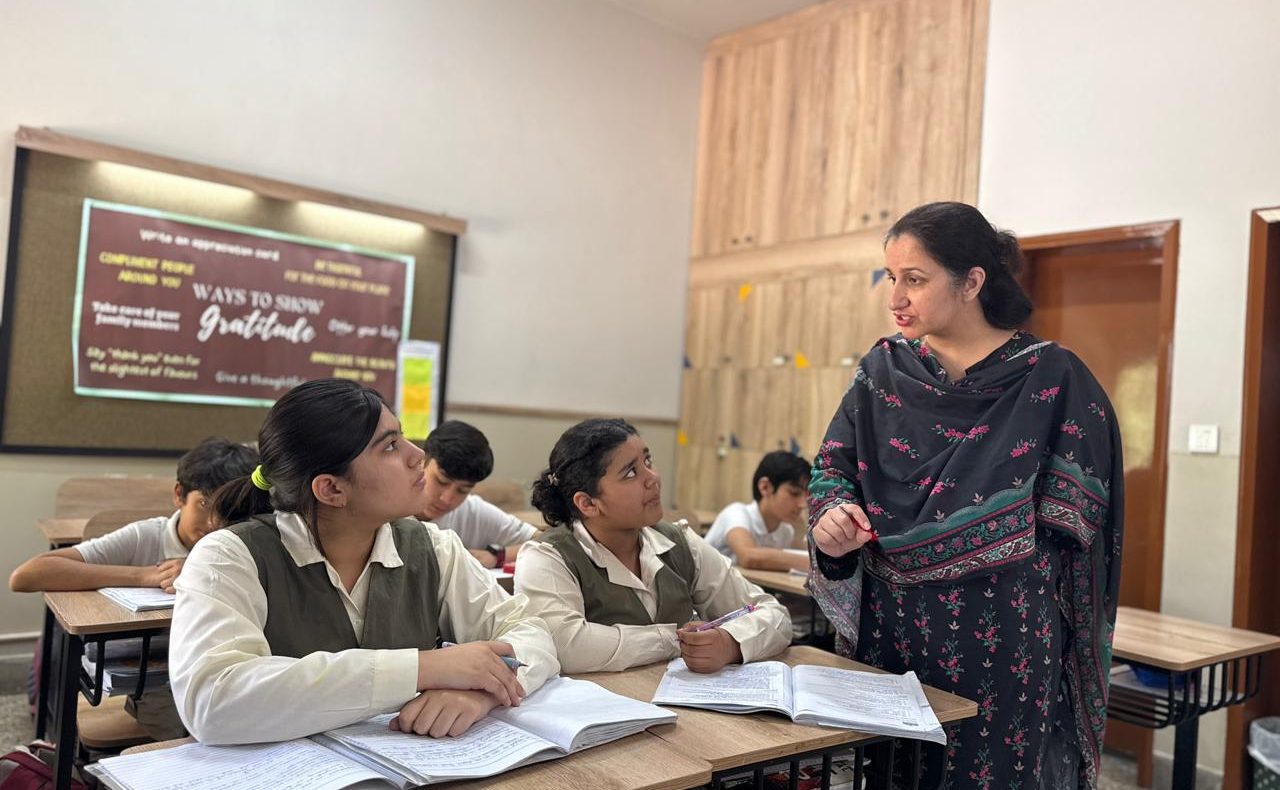
In Cambridge classrooms, students are encouraged to ask questions, share opinions, and participate actively. Teachers guide discussions rather than dominate them. This builds confidence and helps students trust their own thinking.

At a quality Cambridge school in Islamabad, this learning environment allows students to express themselves without fear of being wrong.

Developing Research and Inquiry Skills

IGCSE encourages students to explore topics, research information, and draw conclusions. These inquiry-based skills help students develop curiosity and a habit of learning independently.

This approach prepares students for A Levels and university education, where self-directed learning is essential.

Time Management and Responsibility

Cambridge IGCSE teaches students how to manage time, plan revision, and take responsibility for their learning. Students learn how to prioritise tasks and stay organised.

These habits build independence not only academically, but personally as well.

The Role of the Right School Environment

Independent thinking grows best in schools that offer:

  • Small class sizes
  • Individual attention
  • Supportive teachers
  • Personalised guidance

At Schola Nova, students are guided with patience and care. Teachers recognise each student’s potential and help them grow with confidence. This is why many parents consider Schola Nova among the best private schools in Islamabad.

Real-Life Benefits of Independent Thinking

Students who develop independent thinking skills:

  • Perform better in exams
  • Communicate confidently
  • Adapt easily to university life
  • Handle challenges with resilience
  • Become lifelong learners

These are qualities that matter far beyond school years.

Conclusion: Preparing Students for the Future

Cambridge IGCSE encourages independent thinking by focusing on understanding, application, discussion, and responsibility. It prepares students not just for academic success, but for real-world challenges and global opportunities.

For parents looking for the best school in Islamabad that nurtures confident and capable learners, Cambridge IGCSE is a powerful choice.

What to Ask at a Parent–Teacher Meeting: A Thoughtful Guide for Parents

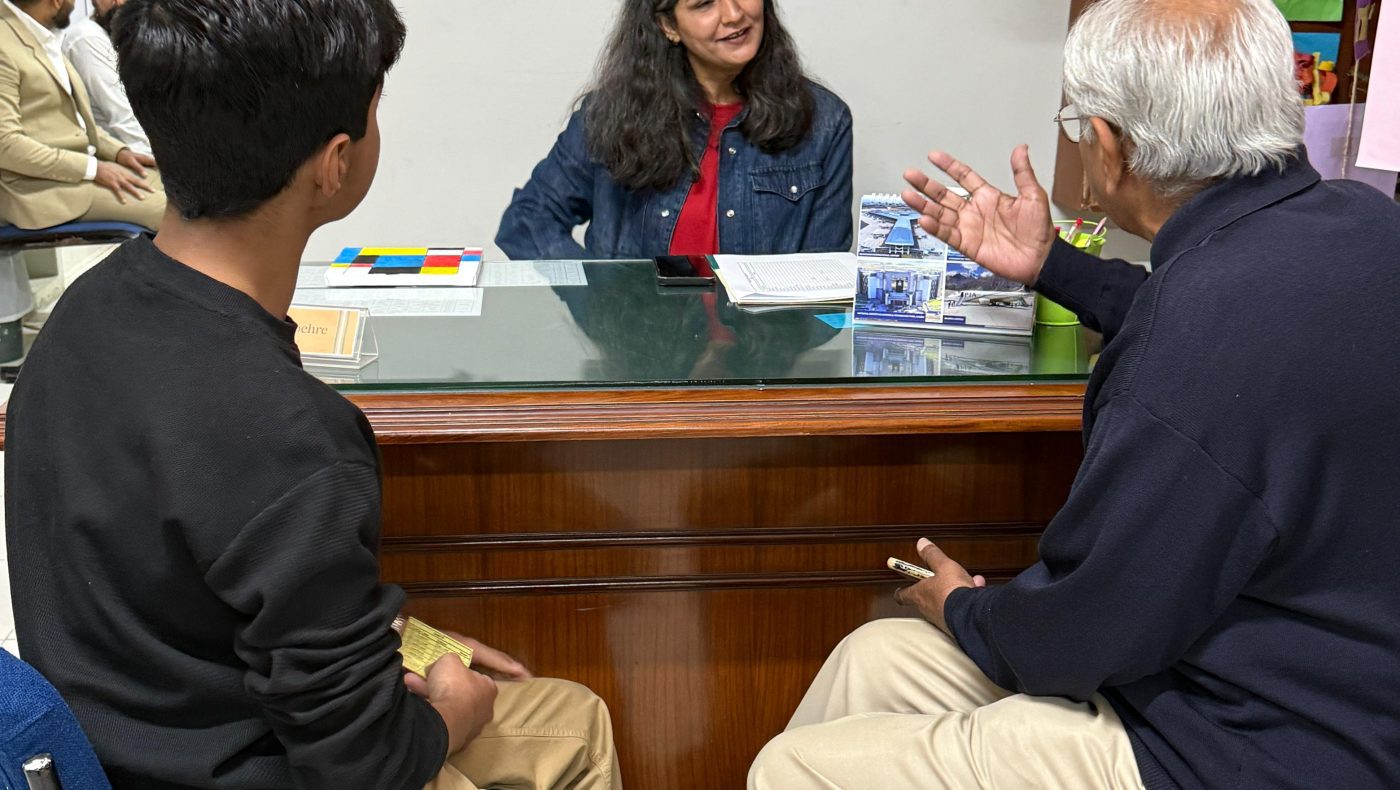
Parent–teacher meetings are often marked on the calendar with mixed emotions. Some parents look forward to them with curiosity, others approach them with quiet anxiety, and many arrive unsure of what exactly they should ask. Yet, these meetings hold immense value when approached with intention.

Within the learning culture of Schola Nova, one of the best schools in Islamabad, parent–teacher meetings are viewed not as evaluations or fault-finding exercises, but as meaningful conversations—moments where adults who care deeply about a child come together with a shared purpose: understanding, supporting, and guiding that child’s growth.

When parents move beyond surface-level questions and engage in reflective dialogue, these meetings become powerful tools for academic progress, emotional wellbeing, and long-term development.

Reframing the Purpose of a Parent–Teacher Meeting

The most common question asked at parent–teacher meetings is simple and sincere:

“So, how is my child doing?”

While this question is well-intentioned, it is often too broad to invite meaningful insight. It can result in general responses such as “doing well,” “needs a little focus,” or “average for the class,” without offering parents a deeper understanding of their child’s learning experience.

A more effective approach is to treat the meeting as a two-way dialogue, where thoughtful questions lead to clarity, direction, and shared action. Parent–teacher meetings are not about comparison with other students; they are about understanding this child—their strengths, struggles, habits, emotions, and potential.

Academic Progress: Looking Beyond Grades

Academic progress is often reduced to grades, test scores, or rankings. While these indicators have their place, they tell only part of the story. True learning is shaped by confidence, curiosity, consistency, and comprehension.

Questions That Open Meaningful Discussion

Instead of focusing solely on marks, parents may consider asking:

  • Which subjects does my child feel most confident in, and why?
    Confidence often signals engagement and understanding. It also highlights areas where motivation can be leveraged.

  • Are there any concepts or skills my child is currently finding challenging?
    This allows parents to identify struggles early, before they become discouraging patterns.

  • How does my child approach learning tasks—independently, hesitantly, or with reassurance?
    This provides insight into learning style and emotional responses to academic demands.

  • What type of learning suits my child best: visual, hands-on, discussion-based, or reflective?
    Understanding learning preferences helps parents support study routines more effectively at home.

  • What is one academic habit we can reinforce at home this term?
    Small habits—reading regularly, revising independently, or organising work—often matter more than extra tutoring.

These questions shift the focus from performance to process, helping parents support learning in a way that feels encouraging rather than pressurising.

Social and Emotional Development: Supporting the Whole Child

A child’s school experience is shaped just as much by relationships and emotional wellbeing as by academics. Confidence in class, friendships, resilience, and self-expression all influence learning outcomes.

Questions That Explore Emotional and Social Growth

Parents may find it helpful to ask:

  • How does my child interact with peers during group work or informal activities?
    This provides insight into collaboration skills, friendships, and social comfort.

  • Does my child participate confidently in class discussions or hesitate to speak up?
    This can indicate self-confidence, communication comfort, or fear of making mistakes.

  • How does my child respond to challenges, corrections, or feedback?
    Responses to feedback reveal resilience, mindset, and emotional regulation.

  • Have you noticed any changes in my child’s mood, behaviour, or engagement recently?
    Teachers often observe subtle shifts that parents may not see at home.

  • Is there anything we can do at home to strengthen emotional resilience or confidence?
    This reinforces the idea that emotional development is a shared responsibility.

When emotional wellbeing is supported, children feel safer to take risks, ask questions, and engage fully in learning.

Understanding Learning Behaviours and Classroom Engagement

Not all challenges are academic in nature. Sometimes, learning difficulties stem from attention, organisation, motivation, or classroom behaviour.

Questions That Clarify Learning Behaviours

Consider asking:

  • How does my child manage focus and attention during lessons?

  • Do they complete tasks independently or require frequent prompting?

  • How do they manage time, instructions, and transitions between activities?

  • Are there any classroom strategies that seem to help my child stay engaged?

These insights help parents align home routines with classroom expectations, creating consistency and reducing frustration for the child.

Strengthening the Home–School Partnership

One of the most valuable outcomes of a parent–teacher meeting is clarity on how home and school can work together. Learning does not stop at the classroom door; it is reinforced through routines, conversations, and attitudes at home.

Questions That Build Consistency

Parents may ask:

  • What can we do at home to support learning and overall wellbeing?

  • Are there any books, activities, or hobbies you would recommend based on my child’s interests?

  • Is there one key focus area we should prioritise at home this term?

Rather than trying to “do everything,” focusing on one or two meaningful areas often leads to better outcomes.

Shifting the Tone: From Anxiety to Collaboration

Parent–teacher meetings are most productive when they are:

  • Respectful and open

  • Focused on growth, not comparison

  • Solution-oriented rather than fault-finding

Teachers bring professional expertise and classroom perspective. Parents bring deep knowledge of their child’s personality, history, and emotional world. When these perspectives come together with mutual respect, the child benefits most.

Approaching the meeting with curiosity rather than defensiveness allows space for honest conversation and shared planning.

Preparing for the Meeting as a Parent

To make the most of a parent–teacher meeting, parents may consider:

  • Reflecting on what they have noticed at home—changes in mood, motivation, or routine

  • Writing down key questions beforehand

  • Listening actively without interrupting or immediately problem-solving

  • Asking for clarification when needed

  • Ending the meeting with a clear understanding of next steps

Even a short meeting can be impactful when approached thoughtfully.

A Shared Commitment to Growth

Within Schola Nova’s educational philosophy, parent–teacher meetings are seen as checkpoints in a child’s journey—not moments of judgment, but opportunities for reflection and alignment—making it the best school in Islamabad not only for early years but also the best school for IGCSE.

By asking intentional questions, parents demonstrate to their children that learning is valued, effort is recognised, and growth matters more than perfection. Children who see adults working together on their behalf feel supported, understood, and motivated.

Conversations That Shape a Child’s Journey

The most meaningful parent–teacher meetings are not defined by how long they last, but by the clarity they create. When parents ask thoughtful questions and listen with openness, they gain insight into their child’s academic progress, emotional wellbeing, and learning habits. This is what makes us stand exceptional as an institute in Pakistan and have ensured excellent quality in education.

These conversations help families move forward with purpose—reinforcing strengths, addressing challenges early, and nurturing confident, reflective learners.

In the end, a successful parent–teacher meeting is not about hearing how a child is doing; it is about understanding why, and knowing how best to support what comes next.

From Good to Great: Helping IGCSE Students Write Personal Statements That Reflect Who They Are

Every year, as students move closer to key academic transitions, an important question begins to surface quietly in classrooms and homes alike: How will universities see me?

For many families, the answer seems tied to grades, subject choices, and exam performance. These are, of course, essential. Yet experience increasingly shows that they are only part of the picture. Universities today want to understand the individual behind the transcript — how a student thinks, reflects, communicates, and grows.

This is where the personal statement becomes far more than an application requirement. It becomes a reflection of a student’s learning journey.

Within the learning environment of Schola Nova, known as one of the best school in Islamabad, there is a deeply held belief that students should never have to manufacture a personality for a university application. When schooling is intentional, reflective, and human, the personal statement is not an act of performance, it is an act of understanding oneself.

Why Personal Statements Often Feel So Difficult

When students first hear that they must write about themselves, many feel uncertain. Not because they lack experiences, but because they have rarely been asked to pause and interpret those experiences.

They wonder whether their stories are significant enough, whether their interests sound impressive, or whether they are saying the “right” things. As a result, many students fall back on safe language and familiar formulas. Essays become neatly written but emotionally distant. Achievements are listed, yet meaning is missing.

This difficulty does not reflect a lack of intelligence or effort. More often, it reflects limited practice in reflection,  a skill that needs time, guidance, and space to develop.

What a ‘Good’ Personal Statement Usually Looks Like

A good personal statement is typically well organised and informative. It introduces academic interests, mentions extracurricular involvement, and outlines future goals. It follows a clear structure and uses appropriate language.

However, it often reads like a résumé written in full sentences. The reader learns what the student has done, but gains little insight into how the student thinks or why those experiences mattered.

Good writing demonstrates competence. Great writing reveals character.

What Makes a Personal Statement Truly Strong

A strong personal statement does not attempt to impress through grand claims. Instead, it invites the reader into the student’s thinking process.

Rather than listing activities, it explores moments — a challenge that changed perspective, a project that sparked curiosity, or a question that refused to settle. Growth is not stated outright; it is shown through reflection. Motivation feels genuine because it emerges from lived experience rather than abstract ambition.

These qualities; depth, authenticity, clarity cannot be added at the last minute. They are built slowly, through years of learning that encourage students to think beyond correct answers.

Why This Work Must Begin Early

One of the most common misconceptions is that personal statement preparation begins in senior secondary years. In reality, the foundation is laid much earlier.

Students who are regularly encouraged to explain their reasoning, question ideas, and reflect on feedback develop a natural comfort with articulating thoughts. Writing becomes an extension of thinking, not a separate task.

At Schola Nova, during the IGCSE years, learning is designed to move beyond memorisation. Students are invited to engage with ideas, to speak in complete thoughts, to revise opinions, and to understand why something matters. Over time, this shapes learners who can describe not only what they know, but how they came to know it.

Everyday School Life Shapes University-Ready Writing

Strong personal statements are rarely built from a single outstanding achievement. More often, they are shaped by everyday experiences that accumulate meaning over time.

Classroom discussions where students are asked to justify an answer. Group projects that require listening as much as speaking. Presentations that demand clarity of thought. Feedback that invites improvement rather than final judgement.

When students grow up in environments where expression is valued and reflection is normal, writing about themselves later does not feel unnatural. They already have language for effort, struggle, curiosity, and growth.

Writing That Reflects Thinking, Not Performance

One of the clearest differences seen in students nurtured in reflective learning cultures is how they write. Their statements focus less on achievement and more on understanding.

They can explain why a subject interests them, how their thinking evolved, and what questions still challenge them. Their writing feels grounded because it mirrors the way they have been taught to learn. At Schola Nova, we aim to prepare  indivuduals from their early years up until they reach IGCSE such that they write well and what they actually believe in.

Universities recognise this immediately. It signals readiness for independent study, intellectual maturity, and self-awareness qualities that matter long after admission decisions are made.

A School’s Philosophy Appears in a Student’s Voice

A student’s personal statement often carries traces of the environment they have learned in.

Where learning is rushed, writing feels hurried.
Where learning is transactional, writing feels transactional.
Where learning is thoughtful, writing becomes thoughtful.

Schola Nova’s philosophy emphasises clarity, ethical grounding, and confident expression. Students are encouraged to form opinions, question assumptions, and communicate respectfully. These habits do not disappear when exams end they resurface naturally when students are asked to write about themselves.

The Role of Parents in the Process

Parents play an important, often understated role in shaping reflective learners. Conversations at home that value explanation over performance reinforce what schools strive to build.

When children are asked what they found interesting rather than what score they received, they begin to see learning as meaningful. When they are allowed to struggle, reflect, and try again, they develop the emotional vocabulary that later strengthens their writing.

The strongest personal statements are rarely the product of pressure. They emerge from environments that value curiosity, dialogue, and growth.

Looking Beyond the Application

It is important to remember that a personal statement is not just a document for university admission. It is a moment of self-definition.

Students who can write honestly about their learning are often students who understand themselves as learners. They can articulate what matters to them, explain their motivations, and communicate with confidence.

These are life skills, not application strategies.

From Good to Great Is a Journey, Not a Shortcut

The difference between a good and a great personal statement is rarely found in vocabulary or structure. It lies in self-awareness.

When students are given years of meaningful learning experiences, thoughtful feedback, and opportunities to express themselves, they do not need to invent stories for applications. They simply need guidance in shaping what they already know about themselves.

By embedding reflection, communication, and inquiry into everyday schooling, Schola Nova known as one of the best schools in Islamabad ensures that when the time comes to write a personal statement, students are not scrambling to sound impressive. They are learning how to speak honestly, clearly, and with purpose.

And that is what takes a personal statement from good to great.


Raising Capable Children: Why Simple Responsibilities Shape Lifelong Success

When we think about preparing children for the future, we often focus on academic achievement, intellectual ability, and extracurricular performance. Parents worry about grades, schools invest in curriculum, and society celebrates talent. While all of these are important, long-term research in child development consistently highlights a different and far more practical predictor of future success: a child’s ability to take responsibility and contribute meaningfully to their environment.

This predictor does not come from test scores, talent, or strict discipline. Instead, it grows from something much simpler and accessible to every family — children who regularly participate in household responsibilities and learn to contribute at home.

At first glance, this may seem too ordinary to be powerful. Yet everyday responsibilities, such as helping with small tasks, organizing personal belongings, or assisting family members, play a major role in shaping a child’s emotional development, executive functioning, self-confidence, and long-term life skills.

Success Begins With Capability, Not Perfection

Modern education systems rightly emphasize learning outcomes and cognitive development. However, success in adult life depends on much more than intellectual skill. Adults who thrive are not only knowledgeable; they are reliable, adaptable, emotionally regulated, and capable of managing daily demands.

Psychologists describe these abilities as executive functioning skills. They include planning, task completion, emotional regulation, and self-management.

Children start developing these skills long before they enter the workforce or even secondary school. Daily routines provide the foundation when adults encourage children to take responsibility for small but meaningful tasks. When children manage simple duties consistently, they begin to believe they can meet expectations and contribute to shared goals.

This sense of capability strongly predicts confidence, resilience, and independence later in life.

Responsibility as a Pathway to Emotional Strength

From a psychological perspective, responsibility supports emotional maturity. When adults trust children with tasks, children learn that effort matters and that actions lead to real outcomes. Over time, this experience builds emotional ownership. Children begin to understand that personal effort can influence situations.

This process strengthens self-efficacy. Self-efficacy refers to a person’s belief in their ability to manage challenges. Children with strong self-efficacy persist when tasks become difficult. They manage frustration better and recover from mistakes without losing confidence.

At Schola Nova, we observe that students who take responsibility at home and at school show stronger coping skills, better classroom engagement, and greater emotional balance. These children may not always be the highest academic achievers. However, they often prove to be the most consistent, dependable, and emotionally steady learners.

Learning to Notice, Not Just Obey

One powerful outcome of regular responsibility is that children learn to notice what needs to be done. They stop waiting to be instructed. This shift from passive compliance to active awareness supports lifelong success.

When children recognize needs in their environment — such as organizing materials, helping peers, or completing tasks independently — they develop situational awareness and proactive behavior. These skills play a vital role in leadership, teamwork, and problem-solving during adulthood.

Educational psychology closely links this capacity to self-regulated learning. In this process, students take ownership of their tasks and manage their behavior without constant supervision. Responsibility at home supports the same skill set and strengthens independent, thoughtful action.

Confidence That Comes From Doing, Not Being Praised

Positive reinforcement and encouragement matter. However, lasting confidence does not come from praise alone. It develops when children experience themselves as capable through real action.

When children contribute to family life, complete age-appropriate tasks, and see the results of their effort, confidence becomes internal. It no longer depends on constant approval. This internal confidence remains more stable and less affected by peer pressure, anxiety, or performance stress.

Children who develop this kind of confidence manage academic challenges and social relationships more effectively. They trust their ability to adapt, which reduces anxiety and strengthens resilience.

Preparing Children for Real-World Expectations

Responsibility also introduces children to realistic expectations in a supportive environment. Adult life includes routine tasks and obligations that people cannot always delay or avoid. When children learn to manage expectations early, they develop tolerance for effort and persistence.

This process helps prevent entitlement and dependency. Both patterns can interfere with emotional growth and academic motivation. Instead, children learn that contribution is a normal and meaningful part of belonging — at home, at school, and in society.

At Schola Nova, we foster this understanding by building responsibility into classroom culture. We use collaborative activities, leadership roles, peer support systems, and structured routines. These efforts work best when families reinforce them at home through daily participation.

Why Responsibility Strengthens Family Bonds

Responsibility does more than prepare children for life. It also strengthens emotional connection. When children contribute, they feel valued and included in family life. This sense of belonging supports emotional security, which is essential for healthy development.

Children who feel needed often develop stronger family attachment, better communication skills, and higher empathy. They begin to understand that relationships involve shared effort and care, not one-sided support from adults.

This emotional grounding encourages positive social behavior in school and improves cooperation with peers.

From Household Tasks to Character Development

Character education lies at the heart of holistic schooling. Responsibility directly shapes ethical behavior. When children practice reliability, complete tasks honestly, and take accountability for mistakes, they build integrity in small but meaningful ways.

These daily habits gradually shape moral character. Children learn to value effort, respect shared spaces, and understand how their actions affect others. Over time, this growth supports respectful classroom behavior, responsible citizenship, and ethical decision-making.

Responsibility allows children to experience values in action rather than learning them only through instruction.

The Role of Parents and Educators as Partners

Responsibility shapes development most effectively when home and school expectations align. When children experience similar standards in both environments, learning becomes stable and reinforced.

Parents set expectations at home, while educators reinforce them through classroom responsibilities and social learning activities. This partnership helps children develop a clear understanding of effort, accountability, and cooperation.

At Schola Nova, our educational philosophy emphasizes academic excellence alongside emotional intelligence, social responsibility, and character building. We encourage families to view everyday responsibilities as part of the learning journey.

Shifting the Focus From Outcomes to Growth

In a competitive academic culture, it is easy to focus on grades, rankings, and results. While outcomes matter, long-term success depends more on growth-oriented skills such as persistence, adaptability, and self-discipline.

Responsibility nurtures these skills naturally. Children who manage small challenges become better prepared to handle larger ones. They learn that improvement comes through effort rather than instant success.

This mindset supports healthy motivation and reduces fear of failure. It allows children to engage more fully in learning.

Raising Children Who Contribute, Not Just Compete

Society needs more than high achievers. It needs responsible, compassionate, and engaged individuals who contribute positively to their communities. Responsibility teaches children that success is not only personal. It is also relational and shared.

Children who grow up contributing often become adults who collaborate, volunteer, lead with empathy, and take ownership of collective goals. These qualities matter deeply in today’s interconnected world.

Small Responsibilities, Lifelong Impact

The path to success does not rely only on academic instruction or talent development. It forms daily through habits, attitudes, and emotional learning. Responsibility gives children real-life practice in managing effort, solving problems, cooperating with others, and trusting their abilities.

At Schola Nova, we believe education must prepare students not only for examinations, but for life. By encouraging responsibility at home and at school, we nurture capable, confident, and emotionally intelligent individuals who can meet future challenges with strength and integrity.

Raising capable children does not require extraordinary methods. It requires trusting children with meaningful participation, allowing them to contribute, and supporting their growth.

When children learn that they matter, that their effort counts, and that they can handle responsibility, they carry this belief into every stage of life.

And that belief, more than any test score, becomes the foundation of lifelong success.

Teachers’ Professional Training Program

This term, teachers participated in professional development workshops conducted by experienced external trainers. The training sessions focused on modern teaching techniques, classroom management, and innovative learning strategies. These workshops were informative and motivating, equipping teachers with practical tools to enhance teaching effectiveness and student engagement. The program reinforced the school’s commitment to continuous professional growth and academic excellence.

Annual Drama Festival – Confluence of Cultures

The Annual Drama Festival was a grand school-wide celebration showcasing the creativity and talent of students. Based on the theme “Confluence of Cultures,” the festival highlighted cultural diversity through engaging performances. A special tribute to Allama Iqbal reflected his inspiring vision and message for the youth. The event provided students with a platform for self-expression, confidence building, and collaboration, while fostering cultural awareness and unity.

Sports Week 2025

Sports Week was organized to promote physical fitness, teamwork, and sportsmanship among students. The event featured a variety of competitive matches across different sports, with enthusiastic participation from all students. Throughout the week, students demonstrated discipline, determination, and team spirit. Certificates were awarded to winners in recognition of their achievements. The event successfully encouraged healthy competition and a positive sporting culture within the school.

Quaid e Azam Muhammad Ali Jinnah: A Vision That Still Guides Us

“With faith, discipline, and selfless devotion to duty, there is nothing worthwhile that you cannot achieve.”

Every year, as 25th December approaches, Pakistan pauses. Streets carry flags, schools hold assemblies, speeches echo familiar words, and portraits of Quaid e Azam Muhammad Ali Jinnah look down on us with quiet resolve. Yet beyond the ceremonial remembrance lies a deeper responsibility—one that asks us not only to remember him, but to understand him.

At Schola Nova, we believe that remembering the Father of the Nation Pakistan is not limited to recounting history. It is about revisiting a vision—one that continues to guide how we educate, how we lead, and how we shape the minds of the next generation.

Quaid e Azam did not inherit certainty. He built it. He did not walk an easy path. He carved one, guided by clarity of thought, moral courage, and an unshakeable belief in justice. Pakistan was not merely born out of political negotiations; it emerged from conviction, sacrifice, and an unwavering commitment to principle.

More Than a Date: The Meaning of 25th December

Quaid e Azam’s birthday is not just a national holiday. It is a moment of reflection.

It reminds us that nations are not sustained by slogans alone, but by values practiced consistently over time. As educators, parents, and students, this day urges us to ask whether we are nurturing minds that value integrity over convenience, unity over division, and responsibility over entitlement.

At Schola Nova, Quaid e Azam Birthday on 25 December is observed as a day to reconnect with purpose—to revisit why education, character, and leadership matter, and how they are inseparably linked to the future of Pakistan.

A Leader Defined by Principle, Not Power

What truly sets Quaid e Azam apart is not only the magnitude of what he achieved, but the manner in which he achieved it.

In an era marked by uncertainty and compromise, Jinnah stood firm. He believed in the rule of law, constitutional processes, and dialogue rooted in dignity. His leadership was never impulsive or theatrical. It was calm, deliberate, and grounded in moral consistency.

For today’s students, growing up in a fast-paced world of instant opinions and fleeting influence, his life offers a powerful lesson: leadership does not begin with authority; it begins with character.

He showed us that true strength lies not in loudness, but in clarity. Not in dominance, but in discipline. His example reminds young minds that greatness is built through patience, resilience, and ethical resolve.

Faith, Discipline, and Duty: Values That Transcend Time

Quaid e Azam’s philosophy was anchored in three simple yet profound values—faith, discipline, and selfless devotion to duty. These were not abstract ideals; they were lived principles that shaped every aspect of his life.

Faith, for him, meant belief in justice, in human dignity, and in the collective future of a people striving for self-determination. Discipline defined his personal and professional conduct, from punctuality to principle. And his devotion to duty reflected a life dedicated to service, often at great personal cost.

At Schola Nova, these values resonate deeply. Education, in our view, is not only about academic excellence. It is about cultivating disciplined thinkers, ethically grounded individuals, and socially responsible citizens—exactly the kind of youth Quaid e Azam envisioned for Pakistan.

Education: The Cornerstone of Quaid e Azam’s Vision

Few leaders have emphasised education as strongly as Quaid e Azam Muhammad Ali Jinnah. He believed that the strength of a nation lies in the education of its youth—not merely in literacy, but in critical thinking, moral reasoning, and civic responsibility.

He envisioned a Pakistan where young people would rise above fear and prejudice, guided by knowledge and a strong sense of duty toward society. Education, for him, was not a privilege; it was a national necessity.

This belief forms the heart of Schola Nova’s educational mission. We strive to create learning environments where students are encouraged to question, reflect, and grow—not only academically, but emotionally and socially as well.

We believe that education must prepare children not just for examinations, but for life. It must empower them to navigate complexity with empathy, to face challenges with resilience, and to lead with integrity.

The Jinnah Vision for Pakistan: Still Relevant, Still Needed

The Quaid e Azam legacy is not confined to history books. His vision for Pakistan was forward-looking—one rooted in equality, justice, and respect for diversity.

He spoke of a nation where citizens would be judged not by religion or background, but by their contribution and character. A nation where law would protect all, and where unity would rise above differences.

Today, this vision remains as relevant as ever. For students growing up in an interconnected yet divided world, understanding Jinnah’s vision for Pakistan is essential. It teaches them that national identity is strengthened through shared values, not fractured by differences.

At Schola Nova, we aim to nurture this understanding by fostering inclusive learning spaces where respect, fairness, and empathy are lived experiences—not just ideals discussed in classrooms.

Learning Leadership Through Example

Quaid e Azam’s leadership style offers invaluable lessons for young learners. He led not through force, but through conviction. Not through popularity, but through principle.

In a time when leadership is often associated with visibility and influence, his life teaches students that true leadership is rooted in responsibility, humility, and service.

At Schola Nova, leadership development begins early—through responsibility, collaboration, and ethical decision-making. Students are encouraged to lead with compassion, to listen with respect, and to act with integrity.

These are the qualities that build not only successful individuals, but strong societies.

A Living Legacy Reflected in Everyday Choices

Quaid e Azam’s legacy lives not only in monuments and speeches, but in everyday actions. It lives in choosing honesty over shortcuts, fairness over favouritism, and unity over division.

For educators, it lives in teaching with sincerity.
For parents, in guiding with values.
For students, in learning with purpose.

At Schola Nova, we believe that every classroom interaction, every lesson taught with care, and every effort toward excellence becomes part of a larger national story—one that continues Quaid e Azam’s vision in meaningful ways.

Schola Nova’s Tribute and Commitment

On this 25th December, Schola Nova pays heartfelt tribute to Quaid e Azam Muhammad Ali Jinnah, the Father of the Nation.

We recommit ourselves to the values he stood for—faith in purpose, discipline in action, and selfless devotion to duty. We pledge to nurture future citizens who are not only knowledgeable, but ethical, compassionate, and courageous.

May we remain worthy of the freedom he secured.
May we continue building the Pakistan he envisioned.
May his vision guide our classrooms, our choices, and our collective future.

Happy Birthday, Quaid e Azam.
Your vision lives on—in us, and in the generations we nurture.

Alumni Spotlight: Mohammad Farrae — Leading Global Change in Sustainable Food Systems

Schola Nova takes immense pride in celebrating alumni whose journeys continue to inspire our students and uplift communities around the world. Today, we spotlight Mohammad Farrae, a development professional, sustainability advocate, and global food systems specialist whose work stands at the forefront of climate action and community resilience. His trajectory reflects perseverance, vision, and the transformative power of purpose-driven education.

Driving Global Change Through Sustainable Food Systems

Mohammad currently serves as the Scientific Director of the AIM for Scale Secretariat, a global platform dedicated to advancing climate-smart agriculture, sustainable food systems, and resilience for vulnerable populations. In this leadership role, he helps shape policies, partnerships, and scientific pathways that address some of the world’s most pressing challenges, food insecurity, climate vulnerability, and environmental sustainability.
His work is not only technical; it is deeply human-centered. Through global collaborations and strategic foresight, Mohammad is contributing to a future where agricultural systems are equitable, resilient, and environmentally responsible.

A Global Career Rooted in Purpose and Sustainability

Mohammad’s expertise spans:
• Sustainable development
• Food systems transformation
• Climate-smart agriculture
• Policy innovation and global partnerships

Before joining AIM for Scale, he served as Senior Specialist for Food Systems Partnerships at COP28, where he played a pivotal role in strengthening international commitments toward climate resilience. His contributions supported global initiatives to enhance food security, improve agricultural systems, and build climate-adaptive ecosystems.

Across his career, he has collaborated with world-leading institutions, including:
• FAO – Food and Agriculture Organization of the United Nations
• University of Notre Dame
• U.S. Embassy–supported development programmes
• Gates Foundation–supported initiatives in Pakistan

Through these engagements, Mohammad has built a portfolio of work that bridges research, policy, and community-driven solutions.

Academic Excellence: From Islamabad to Notre Dame

Mohammad’s academic journey is as inspiring as his professional one.
He holds a Master of Global Affairs in Sustainable Development from the University of Notre Dame (USA)  one of the world’s top institutions for global policy and development studies.
His academic foundation began with a Bachelor’s degree in Mechanical Engineering, which laid the groundwork for his analytical thinking, technical rigor, and systems-based approach to problem-solving.

A Journey That Started at Schola Nova

Mohammad joined Schola Nova in Grade 7, at a time when he had transitioned between multiple schools and faced academic challenges. What followed was a turning point in his life.
At Schola Nova, he found a nurturing environment where individual attention, patient guidance, and personalised learning helped him rediscover his confidence. His teachers recognized his potential long before he did, providing the encouragement and structure he needed to excel.

He completed his O-Levels at Schola Nova and went on to earn a full scholarship for A-Levels at one of Islamabad’s leading institutions. From there, he pursued engineering at NUST, followed by a career that has taken him to global platforms and international leadership roles  culminating in his graduate studies at Notre Dame.
His journey is a powerful reminder that the right school environment can transform a child’s trajectory.

Shaping Global Food Systems and Strengthening Communities

Today, Mohammad’s work revolves around designing and implementing strategies that support climate-resilient, equitable, and sustainable food systems worldwide. His efforts directly contribute to improving livelihoods, strengthening agricultural ecosystems, and supporting communities most impacted by climate change.
Through his work, he represents the values that Schola Nova holds dear  integrity, innovation, compassion, and a commitment to meaningful global impact.

A Schola Novian Who Inspires

Mohammad Farrae embodies what it means to be a Schola Novian: a compassionate leader, a lifelong learner, and an individual committed to creating positive change.
His story reassures our students that:
• Struggles are stepping stones
• Potential grows when nurtured
• Purpose can lead you across the world
• Excellence is a journey shaped by resilience and heart

Mohammad continues to inspire the Schola Nova family, reminding us that great futures often begin with small moments of belief — the kind that teachers extend, classrooms nurture, and students eventually live out on the global stage.

When Winter Meets Exams: Holding Space for Learning, Care, and Calm

A Reflection from Schola Nova

On winter mornings, the school feels different.

The corridors are quieter for a few extra minutes. Hands are tucked into sleeves. Conversations are softer, slower, almost thoughtful. Students walk in wrapped not just in sweaters, but in thoughts revision schedules, formulas, essays, and the quiet weight of wanting to do well.

At Schola Nova, we recognise this season instantly. Winter has arrived, and with it, exam season.

This time of year carries a particular emotional texture. It is not loud or dramatic; it is subtle. A little more fatigue in the eyes, a little more silence at breakfast tables, a little more effort required to get moving. And beneath it all, a shared understanding, this matters.

Yet, we believe this season is not only about exams. It is also about how we care for ourselves while meeting challenges.

Exam Season as a Life Skill, Not Just an Academic Phase

Exams are often spoken about in terms of preparation, performance, and results. But at Schola Nova, we view them through a wider lens. Exam season is also a lesson in managing pressure, organising time, and staying grounded when expectations rise.

For students, exams can feel deeply personal. A timetable becomes a countdown. A syllabus becomes a responsibility. And somewhere along the way, confidence can quietly turn into self-doubt.

This is why we consistently remind our students exams assess learning, not identity. A paper reflects understanding at a moment in time; it does not define intelligence, potential, or future success.

When students are allowed to see exams as part of a journey rather than a verdict, something shifts. Fear loosens its grip, and effort takes its rightful place.

Winter, Energy, and the Slower Mind

Winter has its own rhythm, and it rarely aligns with urgency.

Shorter daylight hours, colder temperatures, and longer nights naturally influence energy levels, mood, and concentration. Students may feel slower, less motivated, or emotionally sensitive. This is not a lack of discipline — it is a human response to seasonal change.

Expecting the same pace as summer during winter often leads to frustration, especially during exam preparation. What winter asks for instead is intentionality  fewer distractions, focused effort, and genuine rest.

At Schola Nova, we encourage families and students to work with the season, not against it.

Studying During Winter Exams: Quality Over Quantity

One of the most common traps during exam season is equating longer hours with better preparation. In reality, winter learning thrives on clarity, structure, and balance.

A warm, quiet study space.
A realistic daily plan.
Time to revise, but also time to pause.

Consistency matters far more than intensity. Studying a few focused hours each day allows information to settle, confidence to grow, and anxiety to reduce. Cramming, on the other hand, often amplifies stress and weakens retention.

We often tell our students: Your brain needs care to perform well. And care looks different in winter.

Physical Wellbeing: The Foundation of Academic Performance

Winter exams often coincide with seasonal illnesses. Fatigue, sore throats, colds, and low immunity are common, especially when stress levels rise. When physical well-being is neglected, learning suffers quietly.

Warm meals, hydration, and proper sleep are not secondary concerns — they are essential supports for focus and memory. A rested body allows the mind to function with clarity. A nourished body supports emotional regulation.

At Schola Nova, we place health above haste. Missing a study session to rest is not falling behind; it is investing in recovery.

Emotional Safety During Exam Season

Perhaps the most important form of care during exams is emotional.

Students may not always articulate their anxiety, but they feel it — in the pause before answering a question, in the silence after school, in the constant mental replay of “what if.”

This is where the role of parents and educators becomes especially powerful.

A calm home environment.
Words that reassure rather than pressure.
Trust instead of constant monitoring.

When students feel emotionally safe, their capacity to learn expands. When mistakes are met with understanding, resilience grows. At Schola Nova, we believe emotional well-being is not separate from education it is central to it.

Rest, Sleep, and the Myth of “Pushing Through”

There is a persistent belief that rest must be postponed until exams are over. In truth, rest is what makes sustained effort possible.

Sleep strengthens memory, supports concentration, and stabilises mood  all essential during exams. Late-night studying may feel productive, but clarity is built through rest, not exhaustion.

Winter naturally invites earlier nights and slower evenings. Allowing students to follow this rhythm supports both mental health and academic performance.

Rest is not a reward. Rest is preparation!

A Note to Our Students

If exam season feels heavy, know this: you are not expected to be perfect.

Feeling nervous means you care. Feeling tired means you are human. And needing reassurance does not mean you are unprepared.

Do your best with honesty and effort. Trust that learning accumulates quietly, even when confidence wavers. And remember, this season will pass. What you are building now is not just academic knowledge, but self-awareness, discipline, and resilience.

A Gentle Reflection for Parents

Your child may forget the details of an exam paper, but they will remember how this season felt at home.

They will remember whether they felt trusted. Whether they felt heard. Whether effort mattered more than outcome.

This winter, let home be a place of warmth emotionally and literally. Let conversations leave space for breath. Let encouragement outweigh expectation.

Beyond Exams, Beyond Winter

Winter eventually softens. The days lengthen. Exam timetables end. What remains is not a grade, but confidence. Not a paper, but perspective. Not a result, but resilience.

At Schola Nova, our vision of education extends beyond academic milestones. We strive to nurture learners who know how to care for themselves, manage pressure, and move through challenges with steadiness and self-belief.

With warmth, trust, and quiet confidence,

Schola Nova
Where learning is guided with care.