Remembering the Quaid: Why September 11th Must Never Be Just Another Date
There is a particular quietness to Quaid-e-Azam’s death anniversary on September 11th in Pakistan — quieter, certainly, than August 14th, with its flags and festivity. A newspaper headline. A moment of silence on the evening news. Perhaps a school assembly speech, read out by a student who has memorised the words without quite feeling their weight.
And then the day ends.
At Schola Nova, we believe it should mean more than that.
Quaid-e-Azam’s death anniversary is an opportunity for students to pause, reflect, and understand the sacrifices, principles, and responsibilities connected to the founding of Pakistan. It is not simply another date on the academic calendar. It is a chance to ask what Muhammad Ali Jinnah stood for — and what those principles mean to young people growing up in Pakistan today.
It is easy, in the rush of a school term, for a death anniversary to become simply another date circled on an academic calendar — alongside a mid-term test or a sports day. But some dates carry more than logistics.
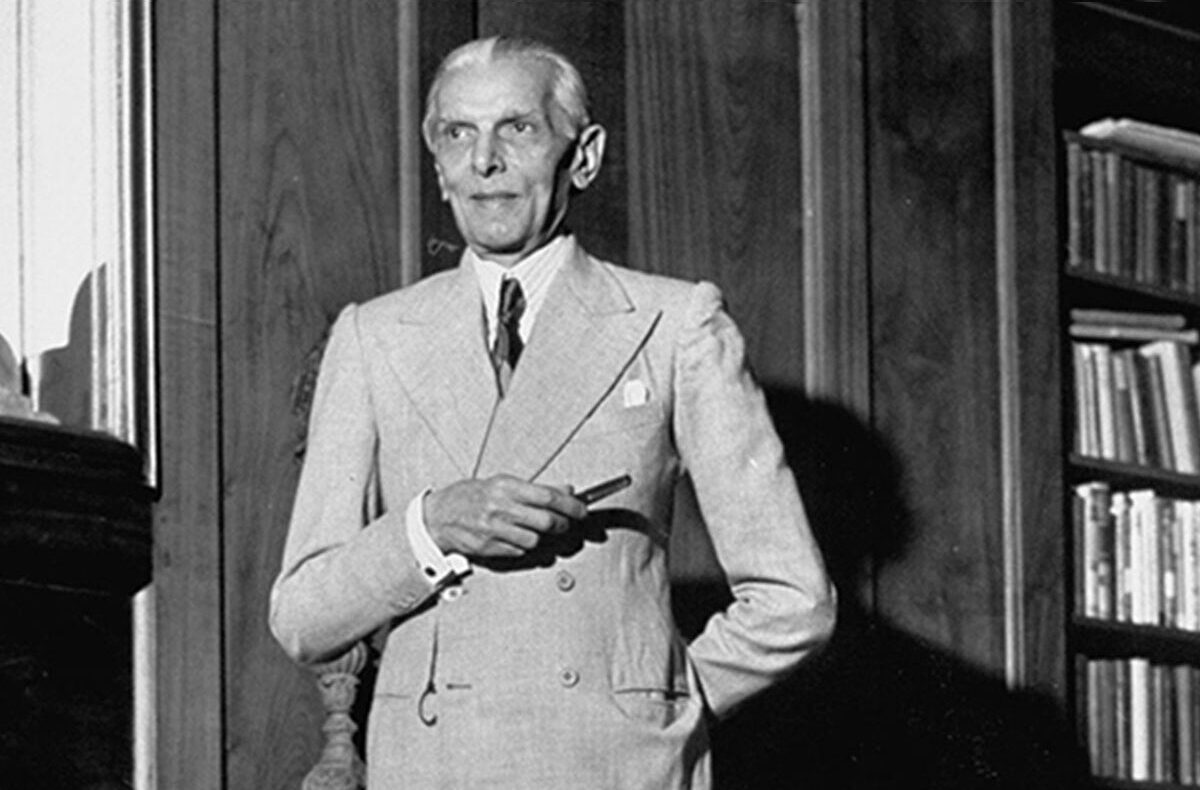
September 11, 1948 marks the death of Pakistan’s founder, Muhammad Ali Jinnah, little more than a year after the country came into being. By then, Jinnah was seriously ill and physically exhausted after years of political struggle and the enormous responsibility of establishing a new state.
His final years remind us that the creation of Pakistan came at an extraordinary human cost.
That sacrifice should not be reduced to a paragraph in a textbook.
It should be understood.
It should be discussed.
And most importantly, it should encourage the next generation to think about what it means to become a responsible citizen.
More Than a Holiday: Why Quaid-e-Azam’s Death Anniversary Belongs in the Classroom
Ask a Grade 9 student who Muhammad Ali Jinnah was, and you will probably receive a textbook answer: founder of Pakistan, first Governor-General, and a central figure in the country’s history.
But ask what he sacrificed, what principles he promoted, or what responsibilities he believed citizens should have, and the answer may be less certain.
This is not a failure of our children.
It is often a failure of how history has been taught.
When history becomes a subject that students memorise for an examination, important people can become little more than names, dates, and quotations. Students may remember when something happened without understanding why it happened or why it still matters.
That is why Quaid-e-Azam’s death anniversary deserves meaningful space in education.
Students should have opportunities to explore Jinnah’s speeches, examine historical sources, participate in discussions, and consider how the principles associated with Pakistan’s founding connect to their own lives.
Real remembrance is active, not decorative.
It can take the form of a debate motion, an essay, a classroom discussion, a history project, or a thoughtful conversation that continues beyond the lesson.
At Schola Nova, we aim to approach important national occasions in this way. From primary students taking their first steps into Pakistan’s history to Senior IGCSE students studying history and society with greater academic depth, occasions such as September 11th can become extensions of learning rather than interruptions to it.
History, when taught well, is never simply about the past.
It helps students understand the present.
Understanding Jinnah Beyond the Textbook
Muhammad Ali Jinnah is often presented through a collection of familiar labels: Quaid-e-Azam, founder of Pakistan, lawyer, political leader, and first Governor-General.
These descriptions are important, but they do not tell the whole story.
Students can gain a deeper understanding when they encounter the historical figure through his own words and through the events surrounding the creation of Pakistan.
Jinnah’s speeches and statements provide opportunities for students to explore themes such as constitutional government, citizenship, responsibility, equality, tolerance, and the rule of law.
One particularly important example is his August 11, 1947 address to Pakistan’s Constituent Assembly, which is frequently discussed in connection with religious freedom and citizenship.
Rather than simply giving students a summary of the speech, teachers can allow them to examine selected passages themselves.
What was Jinnah saying?
Why was he saying it at that particular moment?
How might people living in 1947 have understood those words?
And what questions do those words raise for citizens today?
These questions transform history from memorisation into inquiry.
They also help students develop skills that extend far beyond Pakistan Studies: reading carefully, evaluating evidence, forming arguments, listening to different perspectives, and communicating ideas clearly.
A Generation Looking Outward — Without Losing Its Roots
Today’s young people are growing up in an increasingly connected world.
They can study international curricula, communicate with people across continents, access global information instantly, and imagine careers in almost any country.
This global outlook is valuable.
But being globally minded does not have to mean becoming disconnected from one’s roots.
A strong education should give students both.
Students should be encouraged to understand Pakistan honestly — its achievements, challenges, history, diversity, and aspirations — while also developing the confidence to participate in the wider world.
This is where the legacy of Jinnah can become particularly meaningful.
Learning about Pakistan’s founding does not require schools to manufacture blind patriotism. In fact, genuine education should leave room for questions and disagreement.
Students may have concerns about the economy, governance, education, social inequality, or the country’s future.
They should be allowed to express those concerns.
The role of education is not to silence frustration.
It is to help students turn frustration into informed thinking and constructive citizenship.
A student who understands the country’s history can question its present more thoughtfully because they have a clearer understanding of how that present came to exist.
Roots do not require a person to stay in one place forever.
A Pakistani student may eventually study or work abroad. That is a personal decision, and schools should not measure success by whether graduates remain in the country.
What matters is that students make such decisions with knowledge, confidence, and a meaningful understanding of where they come from.
What Schools Can Do Beyond the Assembly Speech
Keeping Quaid-e-Azam’s death anniversary meaningful requires more than a five-minute assembly speech each September.
Schools can build remembrance into learning throughout the year.
1. Integrate History Across Subjects
Jinnah’s legacy can become part of English literature discussions, debate sessions, public speaking activities, civics lessons, creative writing, and research projects.
When students encounter historical ideas in different contexts, they are more likely to understand them rather than simply memorise them.
2. Use Primary Sources
Students should have opportunities to read selected excerpts from Jinnah’s actual speeches and statements.
There is a significant difference between reading what a textbook says a historical figure believed and reading that person’s own words.
Primary sources also encourage students to ask better questions.
Who was the audience?
What was happening politically?
What did the speaker want to achieve?
How might the same words be interpreted differently today?
These are valuable historical-thinking skills.
3. Replace Rote Learning With Reflection
Instead of asking only, “When did Pakistan come into being?” teachers can ask:
- What challenges did Pakistan face at its beginning?
- What responsibilities come with citizenship?
- Which principles associated with Jinnah remain relevant today?
- How should young people contribute to their communities?
- What can we learn from the sacrifices involved in Pakistan’s creation?
Questions like these encourage students to think rather than simply recall.
4. Encourage Debate and Public Speaking
Debate provides students with a structured environment in which they can develop and defend ideas.
For example, a classroom discussion could explore:
“How should young Pakistanis contribute to the country’s future?”
Students can research different perspectives, build arguments, listen to opposing views, and present their conclusions.
This approach connects historical learning with practical communication skills.
5. Connect History to Local Communities
Students can investigate the history of their own city or family.
They might research what Islamabad, Rawalpindi, Lahore, Karachi, or another Pakistani city looked like during different periods of the country’s development.
Older family members can also provide personal memories and stories.
A conversation with a grandparent about family experiences can sometimes make history feel more real than several textbook pages.
6. Allow Honest Conversations
Perhaps the most important step is giving students permission to ask difficult questions.
Young people should be able to discuss the difference between the ideals associated with Pakistan’s founding and the realities they observe today.
Teachers can acknowledge those concerns while encouraging students to examine evidence, consider multiple perspectives, and think about constructive solutions.
A teacher who listens to a student’s frustration can turn that moment into an opportunity for civic learning.
How Quaid-e-Azam’s Legacy Can Be Taught at Different Ages
Children do not all understand history in the same way.
That is why meaningful learning about Quaid-e-Azam’s death anniversary should develop gradually with age.
Early Years: Building the First Connections
In preschool and early primary years, children can be introduced to national history through age-appropriate stories, pictures, classroom activities, and simple conversations.
At this stage, the goal is not to overwhelm children with political history.
It is to introduce the idea that important people and events shaped the country they live in.
Under the spirit of “Play. Laugh. Learn,” young learners can begin developing curiosity about their surroundings and their identity.
Primary School: Learning Through Questions
As students grow, project-based learning can help them explore questions about Pakistan’s history.
Instead of simply memorising a date, students might create a timeline, research a historical photograph, prepare a short presentation, or investigate an important speech.
The goal is to encourage curiosity.
Secondary School: Analysis and Discussion
By secondary school, students are ready for more complex questions.
They can analyse primary sources, compare historical perspectives, participate in debates, and discuss the relationship between founding ideals and contemporary society.
Under the spirit of “Challenge. Evolve. Excel,” students can be encouraged to develop independent opinions while learning to support those opinions with evidence.
This is where history becomes much more than examination preparation.
It becomes preparation for thoughtful citizenship.
Why Debate and Public Speaking Matter
A meaningful discussion about Jinnah’s legacy requires more than knowing historical facts.
Students need the confidence to express an opinion.
They need to listen.
They need to question.
They need to disagree respectfully.
And they need to support their arguments with evidence.
This is why debate and public speaking programmes can play an important role in a well-rounded education.
When students debate an issue related to Pakistan’s history or future, they are developing skills that will remain useful long after their school years.
The same ability to construct an argument can later be used in university seminars, professional meetings, presentations, interviews, and leadership roles.
At Schola Nova, we see communication as an important part of preparing students to Learn to Lead.
Global Citizenship and National Identity Can Coexist
There is no contradiction between being globally prepared and understanding one’s national identity.
In fact, the two can strengthen each other.
A student who understands Pakistan’s history can represent the country more thoughtfully in an international environment.
A student who understands different cultures can also appreciate their own culture with greater maturity.
Global citizenship should not mean abandoning local identity.
It should mean becoming capable of engaging respectfully with people, ideas, and cultures beyond one’s immediate environment.
That balance matters in an increasingly connected world.
Why This Matters When Choosing a School
Parents searching for the best school in Islamabad understandably look for academic excellence.
They may consider Cambridge IGCSE results, university pathways, qualified teachers, modern facilities, extracurricular opportunities, technology, and the transition from Pre-Nursery through Senior IGCSE.
All of these factors matter.
But education is about more than academic performance.
A school also contributes to how children learn to communicate, think independently, work with others, understand their communities, and respond to the world around them.
At Schola Nova, we have sought since 1998 to bring these dimensions together in F-8, Islamabad.
Our approach aims to combine academic excellence with character, communication, creativity, and a sense of responsibility.
We want students to be prepared for universities and careers around the world while remaining connected to the history and communities that shaped them.
That is part of what “Educating with Heart, Leading with Vision” means to us.
It means caring about what students achieve while also caring about the kind of people they become.
Remembering the Quaid Through Action
Muhammad Ali Jinnah should not be remembered only through portraits, speeches, or annual ceremonies.
His legacy becomes more meaningful when students are encouraged to think about responsibility, integrity, citizenship, and the future of their country.
That is why Quaid-e-Azam’s death anniversary can be an important educational opportunity.
On September 11th, students can do more than observe a moment of silence.
They can read a passage from one of Jinnah’s speeches.
They can discuss a historical question.
They can research their family’s history.
They can debate an issue concerning citizenship.
They can ask a teacher or grandparent what Pakistan means to them.
Small activities can create meaningful connections when they are part of a larger culture of learning.
A Community That Takes Remembrance Seriously
A school’s responsibility does not end with examination results.
Education is also about helping young people understand who they are, where they come from, and what responsibilities come with being part of a community.
At Schola Nova, we believe that strong academic preparation and meaningful personal development should exist together.
Our students should be able to pursue ambitious futures while carrying with them an informed understanding of their history.
They should be able to question Pakistan’s challenges without losing sight of its story.
They should be able to engage with the wider world without becoming disconnected from their roots.
And they should be able to remember the people who shaped their country not because a calendar tells them to, but because they understand why that history matters.
This September 11th, we hope our students — and students across Pakistan — spend a few minutes doing more than observing a moment of silence.
Read something the Quaid actually said.
Ask a question.
Start a conversation.
Listen to an older generation.
Think about the kind of citizen you want to become.
Because Quaid-e-Azam’s death anniversary should never be just another date.
It should be an opportunity to remember the sacrifice behind Pakistan’s creation, understand the principles that shaped its early years, and consider what responsibility the next generation carries into the future.
Muhammad Ali Jinnah’s legacy belongs not only in history books.
It belongs in thoughtful classrooms, meaningful conversations, responsible citizenship, and the choices young Pakistanis make every day.
At Schola Nova, we believe that is what Learn to Lead truly means.
Schola Nova — Educating with Heart, Leading with Vision.