Beyond the Report Card: Why Schola Nova Chooses to Be More Than “Just a School

There is a moment every parent recognises, though it rarely gets talked about.

It happens somewhere in the middle of a school event — a sports day, a competition or a prize distribution — when you catch sight of your child from a distance, not performing for you, just being themselves among their classmates.

Maybe they are cheering loudly for a friend who did not win.

Maybe they are comforting a teammate who dropped the baton in a relay.

Maybe they are standing quietly at the edge of a group, working up the courage to join in.

In that unguarded moment, you are not thinking about their last test score.

You are wondering, quite simply:

Who is this person becoming?

At Schola Nova, we think about that question as much as we think about grades — probably more. It shapes almost everything about our approach to holistic education in Islamabad and how we have built our school in F-8 since 1998.

Our belief is simple:

Education should prepare a child not only to pass examinations, but to participate confidently, responsibly and compassionately in the world.

That means academics matter.

But so do character, confidence, curiosity, communication, creativity, resilience, leadership and relationships.

What Is Holistic Education?

Holistic education looks at the child as a whole rather than measuring development through academic results alone.

A strong education should help students develop intellectually, socially, emotionally, physically and creatively.

This does not mean academics become less important.

Quite the opposite.

Academic knowledge provides an essential foundation. But students also need opportunities to apply what they learn, communicate their ideas, solve problems, work with others, make decisions and learn from setbacks.

UNESCO describes social and emotional learning as developing abilities to understand and manage emotions, build positive relationships, make responsible decisions and handle challenging situations. It connects cognitive, social, emotional and relational development with student wellbeing and academic success.

That thinking closely reflects what we mean by holistic education in Islamabad at Schola Nova.

We want students to leave school with knowledge, but also with the confidence and character to use that knowledge well.

The Question We Ask Ourselves Every Day

Walk into many schools and ask what they are proudest of, and the answer may be predictable: examination results, university acceptances, academic awards and competition victories.

These achievements matter.

At Schola Nova, we take academic performance seriously. Our Cambridge IGCSE programme is designed around academic rigour, critical thinking, independent learning, communication, research and exam preparation.

But if you ask us what we are really proud of, the answer looks different.

It is the student who learned to disagree respectfully in a debate.

It is the student who found their voice on stage after years of shyness.

It is the child who learned to lose gracefully on the sports field and return the next season ready to try again.

It is the student who helped a classmate instead of focusing only on their own success.

These moments may never appear as a separate grade on a report card.

Yet they can shape the person behind the report card.

That is why holistic education in Islamabad is not an additional feature at Schola Nova.

It is part of how we think education should work.

Academics Are the Floor, Not the Ceiling

No one disputes that strong academics matter.

They open doors.

They build discipline.

They develop knowledge.

They prepare students for further education.

This is exactly why our Cambridge IGCSE programme combines academic preparation with critical thinking, independent learning, communication, research and problem-solving.

Cambridge International itself highlights subject knowledge alongside higher-order skills such as problem-solving, critical thinking, independent research, collaboration and presenting arguments.

But academics alone build a transcript.

They do not necessarily build a complete person.

A wholesome personality is made of qualities that rarely appear as a single mark on a report card:

  • Emotional intelligence
  • Resilience
  • Empathy
  • Curiosity
  • Communication
  • Teamwork
  • Self-confidence
  • Responsibility
  • Leadership
  • Problem-solving

At Schola Nova, these are not treated as optional extras.

They are part of the wider educational experience.

Our approach to holistic education in Islamabad is therefore built on the idea that academic excellence and personal development should work together.

A student who achieves excellent grades but cannot communicate, collaborate, manage disappointment or show empathy still has room to grow.

Our goal is to help students grow in all these areas.

“Learn to Lead” Means More Than Academic Leadership

Our tagline is:

Learn to Lead.

But leadership is not simply about becoming the captain of a team or winning a competition.

Leadership can mean confidently presenting an idea in class.

It can mean helping a younger student.

It can mean accepting responsibility for a mistake.

It can mean listening when someone has a different opinion.

It can mean remaining calm during a difficult conversation.

And sometimes, leadership simply means learning to manage your own choices.

This is why our philosophy, “Educating with Heart, Leading with Vision,” extends beyond academic achievement.

We want students to understand that leadership begins with character.

What Holistic Education Looks Like at Schola Nova

Personality development is not a single class or a once-a-term event added to a school calendar.

It develops through repeated experiences.

Co-Curricular Activities That Develop More Than Skills

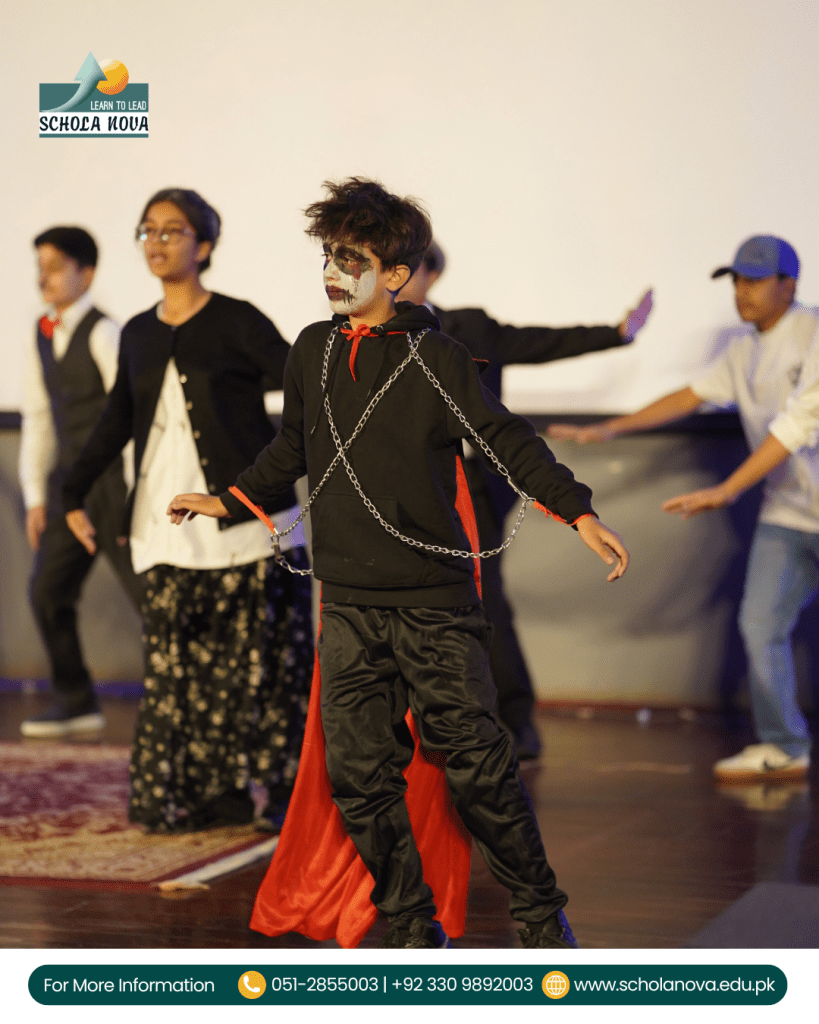
Sports, drama, debate, art, music and other activities provide opportunities for children to discover strengths that academic lessons alone may not reveal.

A child who struggles with mathematics may become a natural leader during a debate.

A quiet student may discover confidence through public speaking.

A student who finds traditional classroom work challenging may become deeply engaged when building, designing or experimenting.

Chess can develop patience and strategic thinking.

Debate can develop communication and confidence.

Sports can teach teamwork, perseverance and healthy competition.

Creative activities can encourage expression and imagination.

These experiences are an important part of whole child education.

Character Built Through Responsibility

Responsibility is easier to understand when children experience it.

Student leadership roles, group projects, classroom responsibilities and peer interaction give students opportunities to discover that being trusted also means being accountable.

When a student is trusted to lead a group project, mentor a younger classmate or take responsibility for a classroom task, they learn something no worksheet can fully teach:

Capability comes with responsibility.

Emotional and Social Development

Academic ability is only one part of a child’s development.

Students also need to understand their emotions, communicate appropriately and develop healthy relationships.

Teachers who know their students well are better positioned to recognise when a child is struggling, becoming withdrawn or finding something difficult.

A supportive school environment can give children space to ask questions, make mistakes and seek help.

Harvard’s Center on the Developing Child highlights the importance of responsive relationships and supportive environments in children’s development. Its resilience research also emphasises supportive relationships and skill-building as important foundations for resilience.

This is one reason holistic education in Islamabad should include both academic support and attention to students’ wider development.

Values in Practice

Respect, honesty and empathy should not exist only as words in a school handbook.

They need to appear in everyday behaviour.

They are developed when students learn to listen to one another.

When they disagree respectfully.

When they help a classmate.

When they accept responsibility.

When they apologise.

When they learn that their actions affect other people.

At Schola Nova, programmes and activities such as life skills, first aid training, grooming and etiquette, Turkish and sign language provide opportunities to develop practical skills alongside academic learning.

Life Skills: Preparing Students for the Real World

Some lessons are difficult to measure through an examination.

How do you communicate when you disagree?

How do you respond when something goes wrong?

How do you work with someone who thinks differently?

How do you take responsibility?

How do you help someone who needs support?

These are life skills.

Schola Nova’s Life Skills Programme gives students opportunities to develop practical abilities that support communication, confidence, responsibility and personal development.

This complements academic learning by helping students think about how knowledge and behaviour translate into everyday life.

Creating Space to Fail Safely

One of the most important parts of holistic education in Islamabad is helping children understand that mistakes are not the end of learning.

A student who is afraid to raise their hand because the answer might be wrong may eventually become afraid to attempt difficult things altogether.

We would rather help students develop the confidence to try.

To make a mistake.

To reflect.

To ask for help.

And to try again.

Harvard’s Center on the Developing Child identifies supportive relationships, adaptive skill-building and positive experiences as important foundations of resilience.

The goal is not to remove every difficulty from a child’s path.

It is to help them develop the skills and confidence to navigate appropriate challenges.

Why Holistic Education Matters More Than Ever

Today’s students are growing up in a rapidly changing world.

They are exposed to more information, more technology and more social pressures than ever before.

Academic achievement remains important, but students also need to communicate, collaborate, think critically, adapt to change and understand different perspectives.

A school that focuses only on examination results risks overlooking some of the qualities students need beyond the classroom.

This is why holistic education in Islamabad matters.

The future will require more than students who can remember information.

It will require young people who can:

  • Think critically
  • Communicate clearly
  • Work with others
  • Manage challenges
  • Make responsible decisions
  • Adapt to change
  • Understand different perspectives
  • Continue learning independently

These are not separate from academic success.

They can strengthen it.

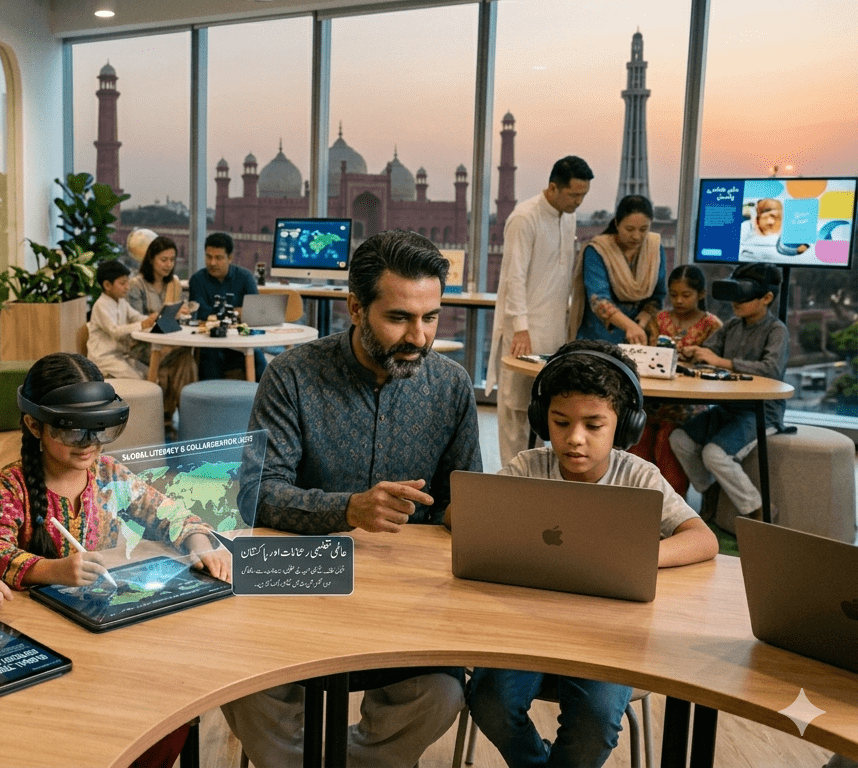
Preparing Students for a Global World

Education today cannot exist entirely within the boundaries of a textbook.

Students are preparing for a world where collaboration increasingly happens across cultures, languages and perspectives.

At Schola Nova, inquiry-based learning, STEM and STEAM experiences, project work, communication activities and cultural exposure help students look beyond memorisation and towards application.

Our Cambridge IGCSE programme also provides opportunities to develop critical thinking, research, collaboration and communication skills alongside subject knowledge.

The goal is not simply to prepare students for their next examination.

It is to help prepare them for the opportunities and responsibilities that come afterwards.

What Parents Often Notice First

Parents who visit Schola Nova or watch their children grow through our classrooms often notice small moments that say more than a prospectus ever could.

A Child Who Talks About School

A child who comes home talking about a debate topic, a science project, a chess strategy or a robotics activity has experienced something beyond simply completing a worksheet.

They have become engaged.

A Teacher Who Notices the Quiet Days

Sometimes it is not a major achievement that makes a parent feel connected to a school.

It is a teacher noticing that a normally talkative child has been unusually quiet.

That attention can tell families that their child is being seen as an individual.

A Child Who Wants to Keep Learning

When students begin developing interests outside their required subjects, education starts becoming personal.

A child may discover an interest in robotics.

Another may love public speaking.

Another may become passionate about sport, art or science.

This discovery is one of the valuable outcomes of holistic education in Islamabad.

A Student Who Can Say, “I Got It Wrong”

Perhaps one of the most important signs of growth is the ability to admit a mistake without feeling that the mistake defines you.

A student who can say, “I got it wrong,” and then ask, “What can I do differently?” is developing a skill that extends far beyond school.

How Our Approach Develops at Different Stages

A five-year-old and a seventeen-year-old need very different forms of support.

That is why our approach develops alongside students.

Early Years: Play, Laugh, Learn

In the preschool years, structured play and exploration help children develop their earliest sense of competence.

They discover that they can build something, solve something, create something and complete something independently.

These small achievements become foundations for confidence and curiosity.

Research and guidance from UNICEF emphasise that play supports children’s cognitive, physical, social, emotional and creative development.

Primary School: Discover, Explore and Participate

As children move into primary school, hands-on learning and practical experiences provide opportunities to explore ideas rather than simply memorise information.

Co-curricular opportunities such as chess, art, public speaking and introductory technology activities allow children to discover their interests and strengths.

You can explore Schola Nova’s Primary School programme to learn more about this stage of learning.

Secondary School: Challenge, Evolve, Excel

As students become older, their responsibilities increase.

They face more complex academic expectations while developing communication, leadership and decision-making skills.

Debate, public speaking, life skills, practical training and co-curricular activities complement their preparation for Cambridge IGCSE examinations.

You can also explore the Secondary School programme and learn more about the opportunities available as students progress through the school.

Learning Through Play and Exploration

For younger children especially, education should not be reduced to worksheets and memorisation.

Play gives children opportunities to explore, experiment and understand the world around them.

UNICEF explains that play can support problem-solving, communication and the development of social, emotional and cognitive skills.

This is why an effective holistic education approach gives young children room to explore while providing appropriate structure and guidance.

At Schola Nova, early learning is designed to encourage children to participate, discover and develop confidence as they learn.

An Institution, Not Just a School

The word “institution” carries weight for a reason.

An institution has an identity.

A philosophy.

A promise.

A sense of continuity.

That has always been our ambition at Schola Nova.

Not to be a place students simply pass through on their way to somewhere else, but a place that contributes meaningfully to who they become.

This is what “Learn to Lead” means to us.

Leadership is not only ambition or achievement.

It is character.

It is self-awareness.

It is integrity.

It is the ability to make responsible decisions even when nobody is watching.

That kind of development takes more than a curriculum.

It requires a school community that genuinely cares about the person behind the grades.

A Community, Not Just a Curriculum

For many families, choosing a school is not simply about comparing examination results.

It is about trust.

Parents want to know:

Will my child be noticed?

Will they be encouraged?

Will their strengths be recognised?

Will they be challenged appropriately?

Will they learn to work with others?

Will they develop confidence?

Will they feel that they belong?

These questions are central to the idea of holistic education in Islamabad.

At Schola Nova, we believe a strong school community should work alongside families to support children’s academic, social and personal development.

Our approach combines academic learning with life skills, leadership, co-curricular opportunities, sports and practical experiences.

Parents can explore our academic programmes to see how the educational journey develops from early years through Cambridge IGCSE.

Learning Beyond the Classroom

Some of the strongest lessons happen outside a traditional classroom.

Sports can teach teamwork.

Outdoor activities can build confidence.

Competitions can teach students how to handle success and disappointment.

Group projects can develop communication.

School events can create a sense of belonging.

Schola Nova’s outdoor activities provide opportunities for students to participate, work with others and develop confidence beyond traditional classroom learning.

These experiences form an important part of a broader holistic education in Islamabad.

Why Parents Should Look Beyond the Report Card

A report card can tell you something important about a child’s academic performance.

But it cannot tell you everything.

It may not tell you whether your child:

  • Helps a classmate who is struggling.
  • Can communicate an idea confidently.
  • Handles disappointment with maturity.
  • Knows how to work as part of a team.
  • Has the courage to try something unfamiliar.
  • Can accept responsibility for a mistake.
  • Knows how to disagree respectfully.
  • Has discovered something they genuinely love learning about.

These qualities matter.

They matter in university.

They matter in careers.

They matter in friendships.

And they matter in life.

That is why our understanding of holistic education in Islamabad goes beyond adding more activities to a timetable.

It means creating an environment where academic learning and personal growth reinforce one another.

More Than “Just a School”

A wholesome personality is not something a school hands a child on results day, folded neatly inside an envelope alongside their grades.

It is developed gradually.

Through classroom conversations.

Through friendships.

Through sports.

Through competitions.

Through mistakes.

Through responsibilities.

Through teachers who notice.

Through opportunities to lead.

Through moments when a child succeeds.

And through moments when they do not.

Academics are, and will always remain, the foundation of what we do at Schola Nova.

But a foundation alone does not make a complete building.

Education should build knowledge.

It should build confidence.

It should build character.

It should build curiosity.

It should build resilience.

It should help children understand themselves and the world around them.

That is what we mean by holistic education in Islamabad.

Frequently Asked Questions About Holistic Education

What is holistic education?

Holistic education focuses on the development of the whole child. Alongside academic knowledge, it supports areas such as emotional development, communication, confidence, creativity, physical wellbeing, teamwork, leadership and character.

Why is holistic education important for children?

Children need more than academic knowledge to navigate school, university, careers and relationships. Holistic education gives students opportunities to develop practical, social and emotional skills alongside their academic abilities.

Does holistic education reduce academic focus?

No. Holistic education does not mean lowering academic standards. Instead, it combines academic rigour with opportunities for students to develop communication, critical thinking, resilience, leadership and other skills.

How does Schola Nova provide holistic education in Islamabad?

Schola Nova combines academic programmes with life skills, sports, co-curricular activities, leadership opportunities, practical learning, communication activities and character development.

How does Cambridge IGCSE support student development?

Cambridge programmes combine subject knowledge with transferable skills including critical thinking, problem-solving, collaboration, independent research and communication.

What role do co-curricular activities play in education?

Co-curricular activities give students opportunities to discover interests, build confidence, work with others, develop leadership and learn how to manage both success and disappointment.

Is holistic education suitable for younger children?

Yes. Holistic development begins from the early years. Play, exploration, communication, creativity and social interaction help young children build confidence and curiosity. UNICEF’s child-development resources highlight the importance of play in supporting children’s wider development.

How can parents support holistic development at home?

Parents can encourage children to explore interests, take responsibility for age-appropriate tasks, communicate openly, participate in activities, learn from mistakes and develop healthy relationships.

Our Door Remains Open

A wholesome personality is not created in a single class.

It develops through hundreds of small experiences.

A child discovering that they can speak confidently.

A student learning to accept a mistake.

A teammate encouraging someone else.

A young leader taking responsibility.

A teacher noticing when something has changed.

A parent seeing their child become more

Water Conservation: How Schools Can Shape a Responsible and Sustainable Future

“When we teach a child to value a single drop of water, we are teaching them to value life itself.”

Imagine a child washing their hands after an art class. They finish, smile at their colourful masterpiece, and walk away leaving the tap running. To many adults, it may seem like a tiny oversight. But imagine if hundreds of children did the same thing every day, in every school, in every city across the world.

Now imagine another child.

Before leaving the sink, they instinctively turn the tap off tightly. They remind a friend to do the same. At home, they notice a leaking faucet and tell their parents. Weeks later, they proudly explain to their grandparents how rainwater can be collected to water plants instead of using clean drinking water.

The difference between these two children is not intelligence.

It is education.

Not the kind measured through examinations or report cards, but the kind that quietly shapes values, habits, and lifelong responsibility.

At Schola Nova, we believe that education should prepare children not only for successful careers but also for meaningful lives. One of the greatest responsibilities we can instil in young learners is respect for the natural resources that sustain every living being. Among these, none is more precious or more threatened than water.

Why Water Conservation Matters More Than Ever

Water has always been synonymous with life. Every plant that grows, every meal we eat, every community that flourishes, and every civilisation that has ever existed has depended upon access to clean water.

Ironically, while nearly 71% of our planet is covered in water, only a tiny fraction—less than one percent—is readily available as fresh water for human use. The remainder exists as saltwater in oceans or is trapped in glaciers and polar ice caps.

For generations, many people believed water was an unlimited resource. Today, science tells a very different story.

Across the globe, freshwater supplies are under increasing pressure due to rapid urbanisation, population growth, pollution, industrial expansion, deforestation, and climate change. Rivers are shrinking. Groundwater levels are declining. Weather patterns are becoming increasingly unpredictable, causing prolonged droughts in some regions and devastating floods in others.

The challenge is no longer one that belongs to environmentalists alone.

It belongs to every family, every community, every institution—and especially every school.

The choices today’s children make will determine the world tomorrow’s children inherit.

Water Conservation Begins with Awareness

Children are naturally curious.

They ask why rain falls, why rivers flow, where water comes from, and why plants need watering every day. These innocent questions create valuable opportunities to introduce concepts that extend far beyond science textbooks.

When children understand the journey of water—from clouds to reservoirs, from treatment plants to household taps they begin to appreciate that clean water does not simply appear whenever we turn on a faucet.

Every drop carries a story.

It has travelled through nature, infrastructure, energy-intensive treatment systems, and countless environmental processes before reaching our hands.

Once children recognise the effort involved, conservation becomes a matter of gratitude rather than obligation.

This shift in perspective is powerful.

Instead of saying, “Don’t waste water because someone told you not to,” children begin thinking, “I don’t want to waste something so valuable.”

That is where lifelong habits are born.

Why Schools Play a Powerful Role in Water Conservation

Parents lay the foundation for a child’s values, but schools reinforce those values through everyday experiences.

Children spend thousands of hours in educational settings during their formative years. These environments influence not only academic achievement but also emotional intelligence, social responsibility, environmental awareness, and ethical decision-making.

Schools have the unique opportunity to transform environmental education into lived experiences.

A lesson about rivers can become a discussion about local water shortages.

A mathematics class can involve calculating daily water consumption.

A science experiment can demonstrate filtration techniques.

A gardening activity can teach children how recycled water can nurture plants.

Every classroom becomes a place where sustainability is practised rather than merely discussed.

When environmental responsibility becomes woven into everyday school culture, children stop viewing conservation as an occasional campaign.

It simply becomes the way they live.

Beyond Facts: Building an Emotional Connection with Nature

Research consistently shows that lasting behavioural change rarely comes from facts alone.

People protect what they love.

Children are no different.

Instead of overwhelming young learners with frightening statistics about climate change, schools can cultivate appreciation through meaningful experiences.

Imagine students planting trees together.

Watching seedlings grow over months.

Collecting rainwater after a storm.

Caring for a school garden.

Observing butterflies, insects, and birds that depend on healthy ecosystems.

These experiences build emotional connections that textbooks alone cannot create.

When children develop empathy for nature, environmental responsibility follows naturally.

At Schola Nova, learning extends beyond four classroom walls because we believe experiences leave deeper impressions than lectures alone.

Practical Ways Schools Can Promote Water Conservation

Creating environmentally conscious learners requires intentional action. Schools can incorporate sustainable practices into daily routines so that conservation becomes a natural habit rather than a special event.

Some meaningful initiatives include:

  • Integrating water conservation into science, geography, mathematics, and social studies through interdisciplinary learning.
  • Conducting student-led water audits to calculate how much water different areas of the school consume.
  • Installing rainwater harvesting systems and allowing students to observe how collected rainwater supports gardening and landscaping.
  • Repairing leaking taps promptly while encouraging learners to report leaks whenever they notice them.
  • Introducing water-efficient fixtures and explaining how small technological changes reduce wastage.
  • Reusing suitable greywater for irrigation where feasible and safe.
  • Creating environmental clubs that lead awareness campaigns, assemblies, quizzes, debates, and creative competitions.
  • Celebrating World Water Day with student-led exhibitions, theatre performances, poster-making, and community outreach.
  • Encouraging children to become “Water Guardians” who remind peers to use water responsibly.
  • Involving parents through home-based conservation challenges that extend learning beyond school.

None of these initiatives require grand investments.

They require commitment, consistency, and a shared belief that every child can become an environmental leader.

Learning Through Everyday Habits

Children learn as much from observation as they do from instruction.

If a teacher switches off a running tap after washing paintbrushes, students notice.

If school staff water gardens responsibly, children notice.

If water bottles are refilled thoughtfully instead of discarded half-full, children notice.

These seemingly insignificant actions quietly communicate powerful values.

Education is often described as what remains after lessons are forgotten.

The same is true for environmental responsibility.

Long after children forget definitions learned in science class, they will remember the habits they practised every single day.

When Children Become Teachers

One of the most remarkable aspects of environmental education is its ripple effect.

Children frequently become educators within their own families.

Many parents have experienced being reminded by their children to switch off lights, recycle waste, or avoid unnecessary plastic use.

Water conservation is no different.

A child who learns about responsible water use at school may begin reminding family members not to leave taps running while brushing their teeth.

They may suggest using buckets instead of hoses to wash vehicles.

They may encourage collecting rainwater for plants.

These conversations transform children into ambassadors of sustainability.

One classroom lesson can influence an entire household.

Multiply that across hundreds of families, and schools become powerful drivers of community-wide change.

Sustainability Is Not a Subject—It Is a Way of Thinking

The world our children will inherit is changing rapidly.

Future generations will face increasingly complex environmental challenges that require creativity, empathy, collaboration, and critical thinking.

Preparing children for this future involves much more than academic excellence.

It requires helping them understand that every decision carries environmental consequences.

Should we waste clean water washing pavements?

Could collected rainwater be used instead?

Should we ignore a leaking tap?

Or repair it immediately?

Should we consume without thinking?

Or use resources responsibly?

These everyday choices shape the future.

Sustainability is not about perfection.

It is about mindfulness.

Schola Nova’s Commitment to Building Environmentally Responsible Citizens

At Schola Nova, we believe education is about shaping character as much as cultivating knowledge.

Academic achievement is important, but equally important is nurturing compassionate individuals who recognise their responsibility toward the world around them.

Environmental stewardship forms an integral part of our educational philosophy.

Rather than treating sustainability as an isolated topic, we strive to integrate environmental awareness across learning experiences, student initiatives, collaborative projects, and everyday school culture.

Our learners are encouraged to ask meaningful questions about the world they live in, explore practical solutions to environmental challenges, and understand how individual actions contribute to collective impact.

Water conservation is not merely discussed during science lessons—it becomes part of how students think, act, and make decisions.

Through sustainability-focused activities, environmental campaigns, experiential learning opportunities, and student leadership programmes, children discover that they possess the power to make a genuine difference.

They learn that protecting water means protecting agriculture, protecting wildlife, protecting communities, and ultimately protecting life itself.

Every child is empowered to become an advocate for positive change—not only within the school but also within their homes and the wider community.

Because the future belongs to those who understand that caring for the Earth begins with caring for its most precious resources.

Raising Responsible Global Citizens

Education has never been solely about preparing children for examinations.

Its true purpose is preparing them for life.

The leaders of tomorrow will not simply be those who possess knowledge.

They will be those who possess wisdom.

Wisdom to recognise that progress must coexist with sustainability.

Wisdom to understand that natural resources deserve respect.

Wisdom to appreciate that every decision affects generations yet to come.

Responsible citizenship begins with small choices made consistently over time.

Turning off a tap.

Reporting a leak.

Using only what is needed.

Sharing knowledge with others.

These simple actions cultivate empathy, accountability, and civic responsibility—qualities that define compassionate global citizens.

At Schola Nova, we are proud to nurture learners who understand that success is measured not only by personal achievement but also by the positive impact they leave on society and the environment.

Every Drop Counts

The future of our planet will not be determined by one extraordinary action.

It will be shaped by millions of ordinary choices made every single day.

Every litre of water saved.

Every child educated.

Every family inspired.

Every habit transformed.

Together, these actions create lasting change.

Water conservation is not simply an environmental issue—it is a lesson in responsibility, gratitude, empathy, and hope.

As educators, parents, and communities, we share the privilege of raising a generation that values resources rather than taking them for granted.

At Schola Nova, we remain committed to empowering children with the knowledge, values, and confidence to become thoughtful custodians of our planet.

Because when a child learns to protect a single drop of water today, they help secure a healthier, more sustainable tomorrow.

And that is education in its truest sense.


Global Education Trends Every Parent Should Know in 2026

Education is evolving faster than ever. What worked a decade ago is no longer enough to prepare children for the future. Parents today are actively searching for the best school in Islamabad that not only delivers academic excellence but also equips students with real-world skills.

Understanding global education trends can help you make smarter decisions when choosing a school in Islamabad for your child.

1. Shift Toward Student-Centered Learning

One of the biggest global trends is moving away from traditional rote learning toward student-centered education. Modern schools in Islamabad are now focusing on:

  • Critical thinking
  • Problem-solving
  • Interactive learning
  • Personalized attention

This approach ensures that every child learns at their own pace and develops confidence.

2. Rise of STEAM Education

STEAM (Science, Technology, Engineering, Arts, and Mathematics) is shaping the future of learning worldwide. A top school in Islamabad integrates STEAM into its curriculum to encourage innovation and creativity.

Students are not just memorizing concepts—they are applying them through real-life projects and experiments.

3. Importance of Life Skills and Emotional Intelligence

Academic success alone is no longer enough. Global education systems now emphasize:

  • Communication skills
  • Leadership qualities
  • Emotional intelligence
  • Stress management

The best schools in Islamabad understand that developing these skills is essential for long-term success.

4. Digital Learning and Technology Integration

Technology is transforming classrooms across the globe. From smart boards to online collaboration tools, a modern IGCSE school in Islamabad uses technology to enhance learning experiences.

Digital education helps students:

  • Access global resources
  • Learn at their own pace
  • Develop tech-savvy skills

5. Focus on Global Citizenship

Education today is not limited to local knowledge. Schools are preparing students to become global citizens by teaching:

  • Cultural awareness
  • International perspectives
  • Social responsibility

Choosing a school in Islamabad that promotes global awareness ensures your child is ready for international opportunities.

6. Activity-Based and Experiential Learning

Modern education is shifting toward “learning by doing.” The top schools in Islamabad are incorporating:

  • Hands-on activities
  • Project-based learning
  • Co-curricular programs

This method makes learning more engaging and helps students retain knowledge better.

7. International Curriculum (IGCSE) Popularity

The demand for internationally recognized programs like Cambridge IGCSE is growing rapidly. Parents looking for an IGCSE school in Islamabad prefer institutions that offer:

  • Globally accepted qualifications
  • Inquiry-based learning
  • Strong academic foundations

This prepares students for higher education both locally and internationally.

Why These Trends Matter for Parents

Understanding these trends helps parents choose the best school in Islamabad that aligns with modern educational standards. A forward-thinking school in Islamabad will not only focus on grades but also on overall personality development.

Conclusion

The future belongs to students who are adaptable, creative, and confident. By staying informed about global education trends, parents can make better choices and ensure their children receive the best possible education.

If you’re searching for a top school in Islamabad or a leading IGCSE school in Islamabad, focus on institutions that combine academic excellence with modern learning approaches.

Smaller Classes Bigger Opportunities: The Benefits of Private Schools

Choosing the right school is one of the most important decisions a parent can make. Beyond curriculum and facilities, one factor that often shapes a child’s experience is class size.

The idea behind smaller classes and bigger opportunities is simple. When students receive more individual attention, they are more likely to grow academically, socially, and emotionally. This is one of the key reasons why many parents searching for the best school in islamabad or a top school in islamabad consider private education.

At Schola Nova, we have seen how smaller class sizes can transform the learning experience and help students reach their full potential.


Why Class Size Matters in Education

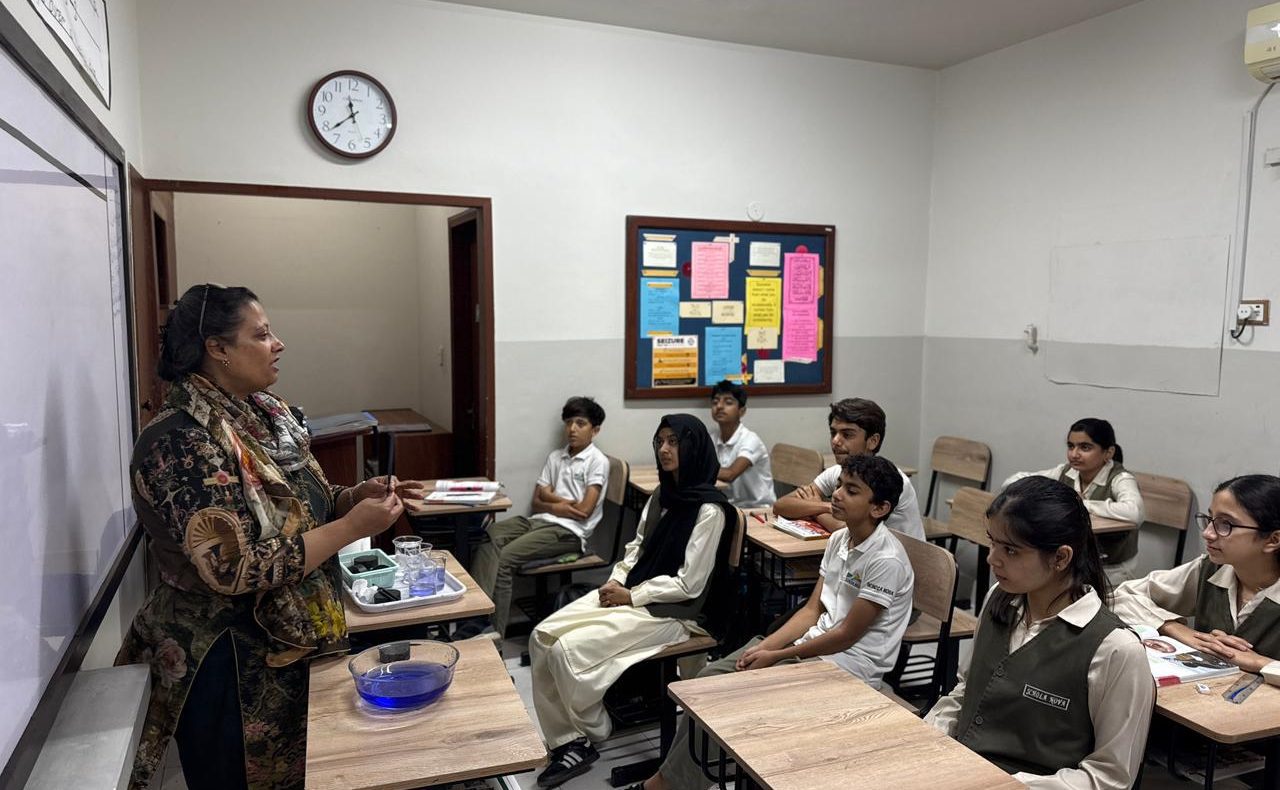
In a smaller classroom, teachers are able to focus on each student more closely. This creates an environment where learning becomes more personal and effective.

Students are not just part of a group. They are recognised as individuals with unique strengths, challenges, and learning styles. This level of attention is difficult to achieve in larger classrooms.


More Individual Attention for Every Student

One of the most immediate benefits of smaller classes is the ability for teachers to give personalised support.

At Schola Nova, teachers can:

  • Identify learning gaps early
  • Adjust teaching methods based on student needs
  • Provide timely feedback

This ensures that no student is left behind and that each learner progresses with confidence.

For parents exploring a best cambridge school in islamabad, this level of attention is often a deciding factor.


Stronger Student Teacher Relationships

A smaller class allows meaningful relationships to develop between students and teachers.

When students feel comfortable with their teachers, they are more likely to ask questions, share ideas, and seek help when needed. This creates a supportive environment where learning feels safe and engaging.

At Schola Nova, we believe that trust between teachers and students plays a key role in academic success.

Increased Participation and Confidence

In larger classrooms, some students may hesitate to speak or participate. In smaller groups, every voice has space to be heard.

Students are encouraged to:

  • Take part in discussions
  • Present their ideas
  • Engage actively in lessons

This not only improves understanding but also builds confidence and communication skills that are essential for future success.


Better Academic Outcomes

Research and experience both show that students in smaller classes often perform better academically.

With fewer distractions and more focused teaching, students can:

  • Understand concepts more clearly
  • Receive detailed guidance
  • Improve their problem solving skills

This is particularly important in structured systems such as a cambridge school in islamabad, where depth of understanding is essential.


A More Focused Learning Environment

Smaller classes naturally create a calmer and more organised learning space.

Teachers can manage the classroom more effectively, and students are less likely to feel overwhelmed. This leads to better concentration and improved behaviour.

At Schola Nova, we design our classrooms to support focus, allowing students to make the most of every lesson.


Greater Opportunities for Personal Growth

Education is not only about academics. It is also about developing character, confidence, and independence.

In smaller classes, teachers can pay closer attention to each student’s personal development. They can guide students in building:

  • Leadership skills
  • Teamwork abilities
  • Emotional resilience

These qualities are just as important as academic achievement.


Enhanced Support for Different Learning Needs

Every student learns differently. Some may need extra support, while others may require additional challenges.

Smaller class sizes make it easier to adapt teaching approaches. Teachers can provide:

  • Extra help where needed
  • Extension tasks for advanced learners
  • Individual guidance for improvement

This balanced approach ensures that all students are supported effectively.


Preparing Students for Future Success

Students who learn in smaller classes often develop stronger independent learning skills.

They become more confident in expressing their ideas, managing their work, and taking responsibility for their learning. These skills are essential for higher education and future careers.

For parents considering the best school in islamabad, this long term impact is a key advantage of private education.


The Schola Nova Approach

At Schola Nova, we believe that smaller classes create meaningful opportunities for every student.

As a cambridge school in islamabad, we combine internationally recognised academic standards with a personalised approach to learning. Our classrooms are designed to ensure that each student is seen, heard, and supported.

We focus not only on academic excellence but also on building confident, capable individuals who are ready for the future.


Why This Matters for Parents

For parents, choosing a school is about more than facilities or results. It is about the overall experience your child will have.

Smaller class sizes offer:

  • Better support and guidance
  • Stronger relationships
  • More opportunities for participation
  • Improved academic outcomes

This is why many families searching for a top school in islamabad prioritise private schools that offer a more personalised learning environment.

Conclusion

Smaller classes truly lead to bigger opportunities. They create an environment where students can focus, grow, and succeed with confidence.

At Schola Nova, we see the impact of this approach every day. By giving students the attention and support they need, we help them develop not only academically but also as individuals.

In the end, the right learning environment makes all the difference. And for many students, that begins with a classroom where they are not just another number, but a valued part of the learning journey.

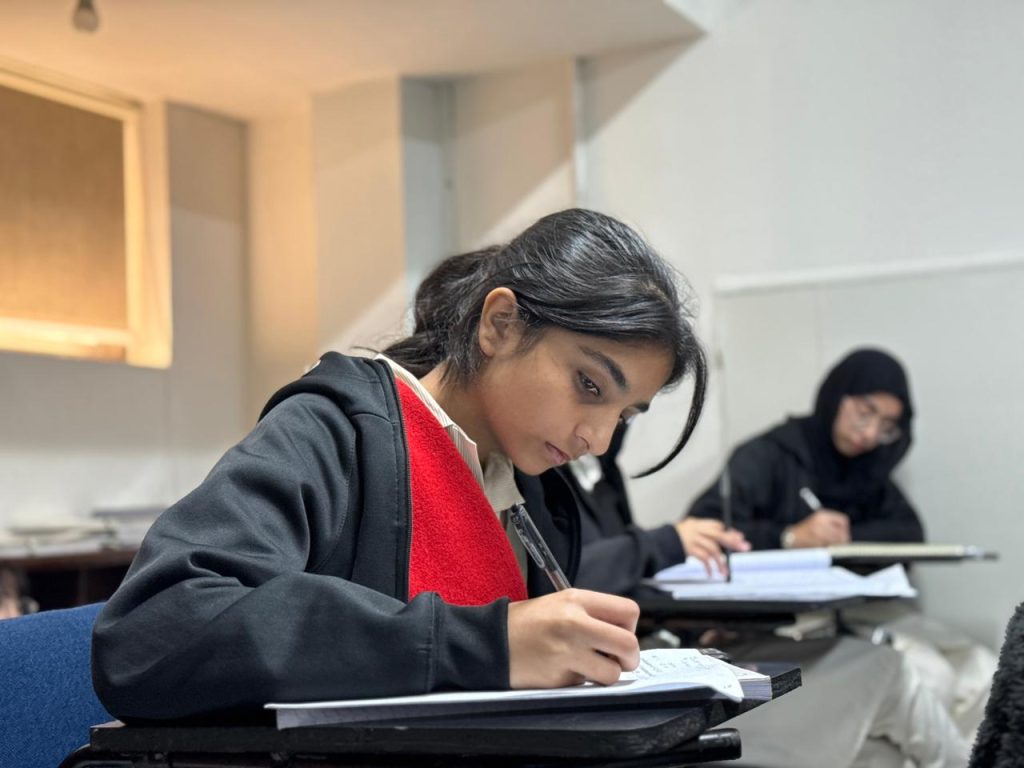
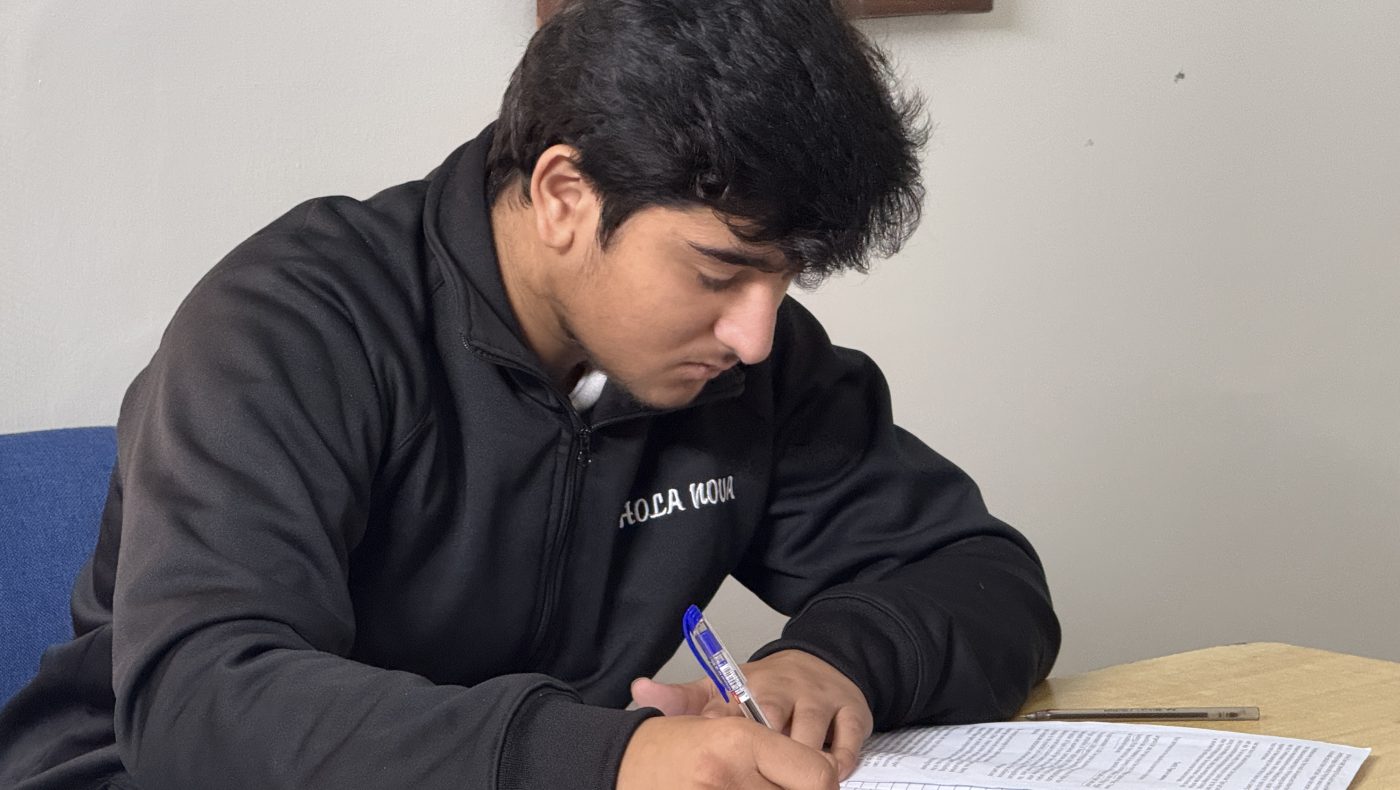
Student Doing Exam

Effective Exam Preparation Tips: How We Support Students at Schola Nova

At Schola Nova, exam preparation is not just about last minute revision. It is a structured process that helps students build confidence, apply knowledge effectively, and perform at their best.

As a cambridge school in islamabad, we understand the demands of both Cambridge IGCSE and A Level examinations. That is why we guide our students with practical strategies that go beyond memorisation and focus on real understanding.

Here are some of the most effective approaches we use to help our students succeed.

Focus on Applying Knowledge, Not Just Memorising

One of the most common challenges students face is trying to learn too much without understanding how to use it.

At Schola Nova, we encourage students to focus on how knowledge can be applied in exam questions. Strong answers are not about how much you know, but how effectively you use that knowledge.

We often use interactive techniques where students connect facts to different types of questions. This helps them think more flexibly and prepares them for a variety of exam scenarios.

Teach Students to Analyse Exam Questions Carefully

Understanding the question is just as important as knowing the answer.

We train our students to break down exam questions by identifying key words and understanding exactly what is being asked. This ensures they stay relevant and avoid losing marks by misinterpreting the question.

Simple habits like underlining key terms and planning answers briefly before writing can make a significant difference in performance.

Strengthening Memory Through Active Learning

Remembering key information is essential, especially for subjects that require factual recall.

At Schola Nova, we promote active revision methods rather than passive reading. Students are encouraged to:

  • Create their own quizzes
  • Test each other in groups
  • Use structured recall techniques

When students create their own questions, they engage more deeply with the content and retain it more effectively.

Practising with Real Exam Papers

Familiarity with exam formats builds confidence.

We ensure that students regularly practise using past papers and sample questions. This helps them understand:

  • The structure of the exam
  • The type of questions asked
  • How to manage time effectively

We also guide students on how to choose questions wisely, especially in papers where they have options.

Encouraging Reflection on Revision Methods

Every student learns differently. What works for one may not work for another.

That is why we encourage students to reflect on their revision strategies. They are guided to think about what helps them learn best and where they can improve.

This approach is particularly important as students move from IGCSE to A Level, where independent learning becomes more critical.

Supporting Students with Individual Needs

At Schola Nova, we recognise that some students require additional support during exams.

For those with special considerations, such as extra time, we ensure they practise using these adjustments well before the actual exam. This helps them feel comfortable and use their time effectively.

Our aim is to make sure every student is fully prepared in a way that suits their individual needs.

Building Strong Habits Early

Effective exam preparation does not begin a few weeks before exams. It starts much earlier.

We encourage students to:

  • Keep their notes organised and up to date
  • Practise revision techniques regularly
  • Build consistency in their study habits

By starting early, students reduce stress and feel more in control when exams approach.

Supporting Independent Learning

We also guide students to use additional study resources effectively. Structured learning materials help them plan their revision and stay focused.

As a best cambridge school in islamabad, we ensure that students are not only prepared for exams but also develop the skills needed for independent study in the future.

Why This Matters for Parents

For parents looking for the best school in islamabad or a top school in islamabad, exam preparation is often a key concern.

At Schola Nova, our approach ensures that students are not just prepared to pass exams, but to understand their subjects deeply and perform with confidence.


Conclusion

Exam success is not about last minute effort. It is about consistent preparation, smart strategies, and the ability to apply knowledge effectively.

At Schola Nova, we combine structured guidance with practical techniques to help students develop strong revision habits and achieve their full potential.

With the right support and approach, every student can walk into an exam feeling prepared, confident, and ready to succeed.

The Shift Every Parent Is Quietly Feeling

There was a time when choosing a school felt simpler.

You looked at results. You asked about discipline. You checked how many distinctions the school produced. And somewhere in that process, you felt reassured that you had made the “right” decision.

But parents today are asking different questions.

Not always out loud.
But quietly, in their own moments.

Will my child feel confident here?
Will they be understood?
Will they be prepared for a world that even I do not fully understand?

Because the truth is, the world our children are growing into is very different from the one we were prepared for.

And education, slowly but surely, is beginning to reflect that shift.

From Fitting In to Being Understood

For decades, children were expected to adjust themselves to the system.

If they were too slow, they had to catch up.
If they were too curious, they had to stay within limits.
If they struggled, they were often labelled before they were understood.

What is changing now is not just the structure of education, but its intention.

There is a growing recognition that children are not meant to fit into a mould. They are meant to be understood within their own individuality.

Classrooms are beginning to move away from uniform expectations and towards flexible pathways. A child who needs more time is no longer seen as “behind.” A child who thinks differently is no longer seen as “difficult.”

Instead, they are seen.

And when a child feels seen, something shifts internally.
They stop resisting learning.
They begin engaging with it.

For parents, this is often the first sign that they have chosen the right environment, not because the system is perfect, but because it is responsive.

Learning Is No Longer About Remembering

If you ask most adults what they remember from school, the answer is rarely a chapter or a definition.

It is a moment. A teacher. A feeling.

Education in 2026 is beginning to move closer to that reality.

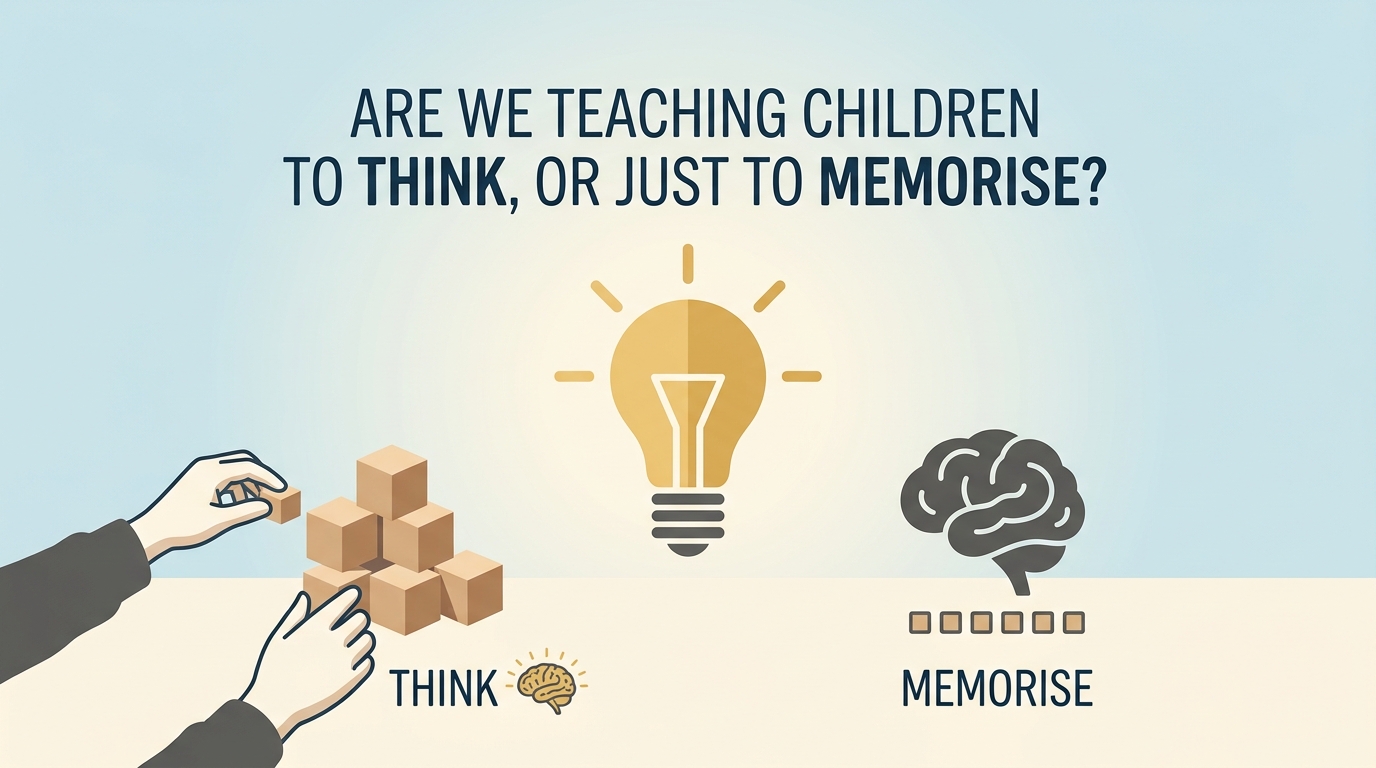
There is less emphasis on memorising information and more focus on understanding, questioning, and applying it. Children are being encouraged to think, not just respond.

And this shift is important, because the future will not reward those who can repeat information. It will reward those who can interpret it, challenge it, and build something new from it.

You may notice your child asking more questions than before.
You may notice them disagreeing sometimes.
You may even feel that learning looks less “structured” than it used to.

But underneath that, something far more valuable is developing: independent thinking.

Technology Is Present, But Not in the Way We Feared

Many parents once worried that technology would take over learning.

In some ways, it has become an integral part of it. But not in the way we imagined.

It is no longer about replacing teachers or books. It is about expanding access, enhancing engagement, and connecting learning to the real world.

Children collaborate, explore, and create using tools that feel natural to them.

At the same time, thoughtful educational environments are becoming more intentional about balance. Because they understand that childhood still needs conversation, reflection, and human connection.

The goal is not to raise children who are dependent on screens.
It is to raise children who can navigate a digital world with awareness and control.

The Emotional Side of Learning Is No Longer Ignored

Perhaps the most powerful shift in education is one that is not always visible in brochures or results.

It is the growing awareness that emotional wellbeing is not separate from learning. It is the foundation of it.

A child who is anxious will hesitate.
A child who feels unheard will withdraw.
A child who feels safe will open up.

Schools are beginning to create spaces where children are not just taught, but supported. Where they can express, regulate, and understand what they are feeling.

This does not mean removing challenges. It means helping children face them with support.

And for parents, this matters more than anything else.

Because long after grades are forgotten, a child’s sense of self stays with them.

A Global Outlook, Without Losing One’s Grounding

There is also a noticeable shift in what parents want from education.

They want opportunities for their children that go beyond borders. They want them to be confident, articulate, and globally aware.

This is why international curricula, particularly Cambridge programmes, continue to gain relevance.

But alongside that, there is a growing awareness that exposure should not come at the cost of identity.

Children need to understand the world, but they also need to understand themselves within it.

This balance is delicate, yet essential.

Schools like Schola Nova are working towards creating this balance, where international standards meet a strong sense of belonging.

Because confidence is not just about competing globally.
It is about standing firmly in who you are.

Learning Is Becoming an Experience, Not Just a Process

If you observe classrooms today, you will notice something different.

Children are not just sitting and listening. They are participating, discussing, building, and presenting.

Learning is becoming more experiential.

And this matters because children remember what they experience far more than what they are told.

When they work on projects, solve real problems, or collaborate with peers, they are not just learning content. They are developing life skills.

Communication.
Teamwork.
Confidence.

These are not taught through lectures. They are developed through experience.

Parents Are No Longer on the Outside

Another subtle but important shift is the role of parents.

There was a time when parents were expected to step back once a child entered school.

Now, they are being invited in.

Not physically, but through communication, collaboration, and shared responsibility.

Schools are building stronger connections with parents, not just to inform them, but to involve them.

Because education does not end when the school day does. It continues at home, in conversations, in values, and in everyday interactions.

And when there is alignment between school and home, children feel it.

They feel supported.
They feel secure.
They feel consistent.

Preparing for a Future That Has No Fixed Shape

Perhaps the most uncertain aspect of parenting today is the future.

We cannot predict what careers will look like. We cannot define a single path to success.

And so, education is shifting from preparing children for a specific destination to preparing them for adaptability.

They are being exposed to new areas, encouraged to explore interests, and supported in developing a mindset that is open and resilient.

This does not eliminate uncertainty.
But it equips children to navigate it.

So What Does This Mean for You as a Parent?

It means that choosing a school is no longer about finding the “best” one in a traditional sense.

It is about finding the right fit.

A place where your child is not just taught, but understood.
Where they are not just guided, but heard.
Where they are not just prepared for exams, but prepared for life.

This requires slowing down the decision.

Looking beyond results.
Observing environments.
Trusting your instinct when you walk into a space.

Because as a parent, you often know.

You can sense whether your child will belong there.

A Quiet Closing Thought

Education in 2026 is not loud.

It is not always about big achievements or visible outcomes.

Sometimes, it is much quieter than that.

It is a child raising their hand when they once stayed silent.
It is a child trying again after failing.
It is a child walking into school without fear.

Schools like Schola Nova are part of this evolving landscape, where education is not just about performance, but about growth.

And perhaps that is what matters most.

Because in the end, progress is not always visible.

Sometimes, it is simply a child becoming more of themselves, one day at a time.


10 Signs You’ve Found the Right School for Your Child

Choosing among the many schools in Islamabad can feel overwhelming. Every institution promises academic excellence, character building, and future success. However, finding the right environment for your child requires more than reviewing brochures or rankings.

If you are searching for the best school in Islamabad, it is important to look beyond marketing claims. The right school is one where your child feels secure, motivated, and inspired to grow.

Here are ten clear signs that you have made the right choice.

1. Your Child Feels Happy and Secure

A positive school experience begins with emotional safety.
If your child feels comfortable in the classroom and looks forward to attending school, that environment is supporting healthy development.

Among the best schools in Islamabad, student wellbeing is always a priority.

2. Teachers Demonstrate Commitment

Strong teacher–student relationships create meaningful learning experiences.
When educators understand your child’s strengths and challenges, learning becomes personalised and effective.

Dedicated teachers are a defining feature of the top schools in Islamabad.

3. Learning Focuses on Understanding

The right school promotes conceptual clarity instead of memorisation.
Students are encouraged to think critically, solve problems, and apply knowledge practically.

Quality schools in Islamabad emphasise skills that prepare children for higher education and global opportunities.

4. Academic Standards Are Clear

Structured assessment and consistent progress indicate strong academic systems.
Students receive constructive feedback that helps them improve steadily without unnecessary pressure.

A strong academic framework distinguishes the best school in Islamabad from average institutions.

5. Communication With Parents Is Transparent

Healthy schools value partnership with families.
Parents receive timely updates and meaningful feedback.

Open communication builds trust and strengthens the home–school connection.

6. Character Development Is Visible

Education extends beyond textbooks.
Respect, responsibility, discipline, and empathy reflect the values instilled by the school.

The best schools in Islamabad focus on shaping confident and ethical individuals.

7. Your Child Shows Growing Confidence

Confidence develops when students feel heard and encouraged.
Participation in discussions, presentations, and extracurricular activities builds self-belief.

This balanced development is a key quality of the top schools in Islamabad.

8. Academics and Activities Are Balanced

Holistic growth includes sports, arts, leadership, and teamwork.
An institution that nurtures multiple talents supports well-rounded development.

Parents comparing schools in Islamabad should look for this balance.

9. Discipline Is Structured and Fair

Clear expectations and consistent rules create stability.
Students understand accountability while feeling respected.

Positive discipline fosters responsibility without fear.

10. Long-Term Growth Is Noticeable

The strongest indicator of the right school is visible progress over time.
If your child becomes more independent, motivated, and resilient each year, the school is fulfilling its role effectively.

When growth, wellbeing, and academic progress align, you have likely found the best school in Islamabad for your child.

Final Thoughts

Selecting from the many schools in Islamabad requires thoughtful evaluation. Rankings may help narrow options, but personal experience ultimately confirms the right choice.

The top schools in Islamabad share common traits: strong academics, supportive teachers, character development, and open communication. When these elements come together, children thrive both inside and outside the classroom.

Choosing wisely today shapes your child’s confidence and success tomorrow.

The Art of Failing Forward: How Mistakes Build Mastery | Schola Nova Islamabad

When the Word Was Misspelled but the Lesson Was Perfect

The hall was silent except for the soft hum of anticipation.
It was the elimination round of the recent Spelling Bee competition at Schola Nova Islamabad, one of the best schools in Islamabad. Rows of parents and classmates watched proudly, holding their breath.

On stage stood a nervous ten-year-old, representing one of the top schools in Islamabad known for encouraging confidence and courage. She had spelled every word correctly until now. Then came the word that changed everything. She spoke it carefully, paused, and waited.

A moment later, the judge rang the bell: wrong answer. Her eyes flickered with disappointment, but when she looked at her teacher, the teacher simply smiled and nodded. Without a word, the student took a bow and returned to her seat. The audience clapped not out of sympathy, but admiration.

That quiet comeback the ability to rise from a small stumble with grace Is what failing forward truly looks like.

Rethinking What Failure Really Means

For too long, failure has been treated like a final verdict.
In schools across the world and in many private schools in Islamabad, mistakes are often seen as proof of weakness or lack of intelligence. But in truth, failure is feedback it tells us what to try differently next time.

At Schola Nova, among the best O Level schools in Islamabad, we believe the most valuable lessons come not from getting everything right but from learning to recover when things go wrong. The best schools in Islamabad are moving beyond a test-score culture and embracing what psychologists call a growth mindset the belief that ability grows through practice, patience, and persistence.

The Science Behind the Growth Mindset

Neuroscientists have found that when students make mistakes, their brains light up with new activity.
Errors trigger reflection, adaptation, and learning—the very processes that strengthen intelligence.

When students are taught that the brain grows through challenge, their motivation increases dramatically. That’s why at Schola Nova Islamabad, teachers often remind students:

“Your brain learns best when it’s a little uncomfortable.”

This principle, backed by research from Cambridge International Education, underpins the idea of growth mindset and helps transform I can’t into I can’t yet.

The Classroom as a Safe Place to Fail

True learning requires the courage to make mistakes without fear of judgment.
That’s why classrooms at Schola Nova Islamabad are designed to encourage experimentation, curiosity, and creativity.

  • In science labs, a fizzled experiment sparks discussion instead of disappointment.

  • In creative writing, a messy first draft becomes a starting point for brilliance.

  • In mathematics, a wrong answer becomes a collective puzzle, not a personal flaw.

This culture helps our students become resilient thinkers. They learn that progress often looks like a series of imperfect steps that eventually lead somewhere extraordinary.

Learn more about our Schola Nova Academic Programs to see how we integrate curiosity-based learning.

When Effort Outweighs Outcome

Returning to our Spelling Bee example, the little girl didn’t lose that day—she learned.
Her willingness to participate again reflected something far more valuable than perfect memory: resilience.

At Schola Nova Islamabad, one of the top private schools in Islamabad, we remind our learners that courage matters more than correctness. The goal is not to be flawless—it’s to be fearless.

Lessons That Last Longer Than Grades

When children adopt this mindset, their relationship with learning transforms.
They stop asking, “Am I good at this?” and start asking, “How can I get better?”

A student who struggles with reading today becomes the one who practices tomorrow.
A debate team that loses this year comes back stronger next year.
These are the lessons that make Schola Nova one of the best schools in Islamabad for long-term student development.

How Teachers Model Failing Forward

At Schola Nova Islamabad, teachers lead by example.
When technology glitches mid-presentation or a lesson plan doesn’t go as expected, they adapt calmly and continue. By observing this, students learn that mistakes are temporary, recoverable, and normal.

This kind of environment makes Schola Nova stand out among Islamabad schools for its emphasis on emotional growth and real-world readiness.

From Art Rooms to Athletics

The art studio is full of tiny experiments—smudged lines that turn into textures, misplaced colors that inspire new patterns.
In the music room, wrong notes often lead to new harmonies.
On the sports field, missed goals teach coordination and patience better than any lecture could.

Each of these experiences reinforces the idea that growth happens through action, reflection, and persistence.

Resilience in Everyday Moments

Resilience isn’t always loud or dramatic—it’s quiet, steady, and consistent.
It’s the student who keeps trying after two failed attempts, the one who joins the spelling bee again after missing last year’s final, or the child who raises a hand even after being wrong before.

These small moments, nurtured daily at Schola Nova Islamabad, build lasting confidence and adaptability.

A School That Redefines Success

At Schola Nova, success isn’t about always being right—it’s about being ready to learn, ready to grow, and ready to persevere.
When students realize that failure doesn’t define them but refines them, they start taking creative risks and exploring without fear.

Discover how we’re redefining success at Schola Nova Admissions.

What Parents Can Do

Parents play a vital role in nurturing resilience. Small changes in how they respond to mistakes can shape a child’s mindset.
Instead of “You’re so smart,” say “You worked really hard on that.”
Instead of “You failed,” say “You learned what doesn’t work yet.”

At home, celebrating effort builds the same emotional muscle we nurture in school. Together, this partnership helps children thrive both academically and emotionally.

The Bigger Picture

The art of failing forward isn’t about ignoring disappointment—it’s about reframing it.
It teaches patience, perseverance, and perspective.
At Schola Nova Islamabad, one of the top schools in Islamabad, we take pride in helping students understand that every setback is a setup for growth.

Read more about our Cambridge O Level Program.

The Real Victory

Years later, when that same student stood on stage again older, calmer, and wiser she won.
Not because she spelled every word correctly, but because she had learned what truly mattered: courage, humility, and perseverance.

At Schola Nova Islamabad, we teach that a stumble is not the opposite of success it is the path to it. Because every child deserves to know that falling is part of flying, and mistakes, when embraced with courage, are simply the art of failing forward.

Why We Do What We Do: The Heartbeat of Schola Nova


At Schola Nova, one of the best schools in Islamabad, education is more than just a curriculum—it’s a calling. Every morning, as our gates open and laughter fills the air, we’re reminded of our purpose: to nurture young minds, uplift spirits, and create a community where every child feels valued, supported, and inspired.

Learning with Purpose

We believe true learning should spark curiosity, not just compliance. Our classrooms are alive with questions, creativity, and collaboration—qualities that make us stand out among Islamabad schools.

From spelling bees that showcase linguistic flair to science fairs that turn wonder into discovery, every activity at Schola Nova is designed to make students proud of who they are and excited about who they’re becoming.

Relationships First

At the core of Schola Nova, often recognized as a top private school in Islamabad, is the value of connection. We foster strong partnerships between parents, teachers, and students—because when families feel welcomed and informed, children thrive.

Our newsletters, handouts, and celebratory messages aren’t just updates; they’re meaningful invitations to be part of a joyful and supportive school community.

Celebrating Every Voice

At Schola Nova, one of the top schools in Islamabad, every child has a voice that matters. From Writer’s Craft competitions to flag design challenges, we provide platforms where students can express themselves, explore their creativity, and shine with confidence.

We don’t just celebrate achievements—we celebrate effort, growth, and individuality. Because every child has a story worth telling.

Growing Together

Schola Nova is not just a school—it’s a learning community in Islamabad where students, teachers, and families grow together.

Our faculty doesn’t just teach; they listen, adapt, and lead with heart. With a strong focus on professional growth, emotional intelligence, and collaborative culture, we continue to build a school that inspires excellence in every way.

🌟 Why Parents Choose Schola Nova

  • Recognized as one of the best schools in Islamabad.

  • Strong emphasis on academic excellence and creativity.

  • Private school in Islamabad with a caring, community-driven approach.

  • A place where children thrive socially, emotionally, and intellectually.