Water Conservation: How Schools Can Shape a Responsible and Sustainable Future
“When we teach a child to value a single drop of water, we are teaching them to value life itself.”
Imagine a child washing their hands after an art class. They finish, smile at their colourful masterpiece, and walk away leaving the tap running. To many adults, it may seem like a tiny oversight. But imagine if hundreds of children did the same thing every day, in every school, in every city across the world.
Now imagine another child.
Before leaving the sink, they instinctively turn the tap off tightly. They remind a friend to do the same. At home, they notice a leaking faucet and tell their parents. Weeks later, they proudly explain to their grandparents how rainwater can be collected to water plants instead of using clean drinking water.
The difference between these two children is not intelligence.
It is education.
Not the kind measured through examinations or report cards, but the kind that quietly shapes values, habits, and lifelong responsibility.
At Schola Nova, we believe that education should prepare children not only for successful careers but also for meaningful lives. One of the greatest responsibilities we can instil in young learners is respect for the natural resources that sustain every living being. Among these, none is more precious or more threatened than water.
Why Water Conservation Matters More Than Ever
Water has always been synonymous with life. Every plant that grows, every meal we eat, every community that flourishes, and every civilisation that has ever existed has depended upon access to clean water.
Ironically, while nearly 71% of our planet is covered in water, only a tiny fraction—less than one percent—is readily available as fresh water for human use. The remainder exists as saltwater in oceans or is trapped in glaciers and polar ice caps.
For generations, many people believed water was an unlimited resource. Today, science tells a very different story.
Across the globe, freshwater supplies are under increasing pressure due to rapid urbanisation, population growth, pollution, industrial expansion, deforestation, and climate change. Rivers are shrinking. Groundwater levels are declining. Weather patterns are becoming increasingly unpredictable, causing prolonged droughts in some regions and devastating floods in others.
The challenge is no longer one that belongs to environmentalists alone.
It belongs to every family, every community, every institution—and especially every school.
The choices today’s children make will determine the world tomorrow’s children inherit.
Water Conservation Begins with Awareness
Children are naturally curious.
They ask why rain falls, why rivers flow, where water comes from, and why plants need watering every day. These innocent questions create valuable opportunities to introduce concepts that extend far beyond science textbooks.
When children understand the journey of water—from clouds to reservoirs, from treatment plants to household taps they begin to appreciate that clean water does not simply appear whenever we turn on a faucet.
Every drop carries a story.
It has travelled through nature, infrastructure, energy-intensive treatment systems, and countless environmental processes before reaching our hands.
Once children recognise the effort involved, conservation becomes a matter of gratitude rather than obligation.
This shift in perspective is powerful.
Instead of saying, “Don’t waste water because someone told you not to,” children begin thinking, “I don’t want to waste something so valuable.”
That is where lifelong habits are born.
Why Schools Play a Powerful Role in Water Conservation
Parents lay the foundation for a child’s values, but schools reinforce those values through everyday experiences.
Children spend thousands of hours in educational settings during their formative years. These environments influence not only academic achievement but also emotional intelligence, social responsibility, environmental awareness, and ethical decision-making.
Schools have the unique opportunity to transform environmental education into lived experiences.
A lesson about rivers can become a discussion about local water shortages.
A mathematics class can involve calculating daily water consumption.
A science experiment can demonstrate filtration techniques.
A gardening activity can teach children how recycled water can nurture plants.
Every classroom becomes a place where sustainability is practised rather than merely discussed.
When environmental responsibility becomes woven into everyday school culture, children stop viewing conservation as an occasional campaign.
It simply becomes the way they live.
Beyond Facts: Building an Emotional Connection with Nature
Research consistently shows that lasting behavioural change rarely comes from facts alone.
People protect what they love.
Children are no different.
Instead of overwhelming young learners with frightening statistics about climate change, schools can cultivate appreciation through meaningful experiences.
Imagine students planting trees together.
Watching seedlings grow over months.
Collecting rainwater after a storm.
Caring for a school garden.
Observing butterflies, insects, and birds that depend on healthy ecosystems.
These experiences build emotional connections that textbooks alone cannot create.
When children develop empathy for nature, environmental responsibility follows naturally.
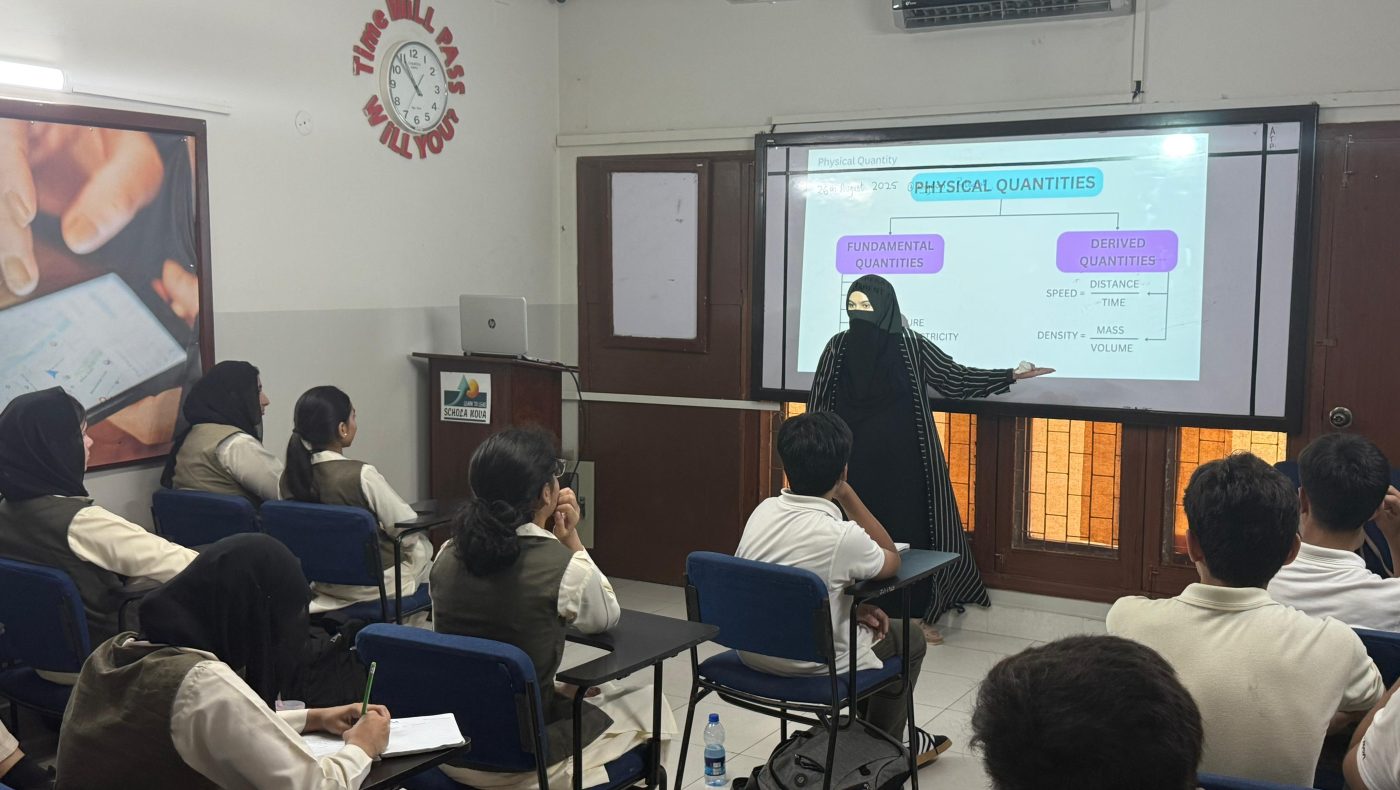
At Schola Nova, learning extends beyond four classroom walls because we believe experiences leave deeper impressions than lectures alone.
Practical Ways Schools Can Promote Water Conservation
Creating environmentally conscious learners requires intentional action. Schools can incorporate sustainable practices into daily routines so that conservation becomes a natural habit rather than a special event.
Some meaningful initiatives include:
- Integrating water conservation into science, geography, mathematics, and social studies through interdisciplinary learning.
- Conducting student-led water audits to calculate how much water different areas of the school consume.
- Installing rainwater harvesting systems and allowing students to observe how collected rainwater supports gardening and landscaping.
- Repairing leaking taps promptly while encouraging learners to report leaks whenever they notice them.
- Introducing water-efficient fixtures and explaining how small technological changes reduce wastage.
- Reusing suitable greywater for irrigation where feasible and safe.
- Creating environmental clubs that lead awareness campaigns, assemblies, quizzes, debates, and creative competitions.
- Celebrating World Water Day with student-led exhibitions, theatre performances, poster-making, and community outreach.
- Encouraging children to become “Water Guardians” who remind peers to use water responsibly.
- Involving parents through home-based conservation challenges that extend learning beyond school.
None of these initiatives require grand investments.
They require commitment, consistency, and a shared belief that every child can become an environmental leader.
Learning Through Everyday Habits
Children learn as much from observation as they do from instruction.
If a teacher switches off a running tap after washing paintbrushes, students notice.
If school staff water gardens responsibly, children notice.
If water bottles are refilled thoughtfully instead of discarded half-full, children notice.
These seemingly insignificant actions quietly communicate powerful values.
Education is often described as what remains after lessons are forgotten.
The same is true for environmental responsibility.
Long after children forget definitions learned in science class, they will remember the habits they practised every single day.
When Children Become Teachers
One of the most remarkable aspects of environmental education is its ripple effect.
Children frequently become educators within their own families.
Many parents have experienced being reminded by their children to switch off lights, recycle waste, or avoid unnecessary plastic use.
Water conservation is no different.
A child who learns about responsible water use at school may begin reminding family members not to leave taps running while brushing their teeth.
They may suggest using buckets instead of hoses to wash vehicles.
They may encourage collecting rainwater for plants.
These conversations transform children into ambassadors of sustainability.
One classroom lesson can influence an entire household.
Multiply that across hundreds of families, and schools become powerful drivers of community-wide change.
Sustainability Is Not a Subject—It Is a Way of Thinking
The world our children will inherit is changing rapidly.
Future generations will face increasingly complex environmental challenges that require creativity, empathy, collaboration, and critical thinking.
Preparing children for this future involves much more than academic excellence.
It requires helping them understand that every decision carries environmental consequences.
Should we waste clean water washing pavements?
Could collected rainwater be used instead?
Should we ignore a leaking tap?
Or repair it immediately?
Should we consume without thinking?
Or use resources responsibly?
These everyday choices shape the future.
Sustainability is not about perfection.
It is about mindfulness.
Schola Nova’s Commitment to Building Environmentally Responsible Citizens
At Schola Nova, we believe education is about shaping character as much as cultivating knowledge.
Academic achievement is important, but equally important is nurturing compassionate individuals who recognise their responsibility toward the world around them.
Environmental stewardship forms an integral part of our educational philosophy.
Rather than treating sustainability as an isolated topic, we strive to integrate environmental awareness across learning experiences, student initiatives, collaborative projects, and everyday school culture.
Our learners are encouraged to ask meaningful questions about the world they live in, explore practical solutions to environmental challenges, and understand how individual actions contribute to collective impact.
Water conservation is not merely discussed during science lessons—it becomes part of how students think, act, and make decisions.
Through sustainability-focused activities, environmental campaigns, experiential learning opportunities, and student leadership programmes, children discover that they possess the power to make a genuine difference.
They learn that protecting water means protecting agriculture, protecting wildlife, protecting communities, and ultimately protecting life itself.
Every child is empowered to become an advocate for positive change—not only within the school but also within their homes and the wider community.
Because the future belongs to those who understand that caring for the Earth begins with caring for its most precious resources.
Raising Responsible Global Citizens
Education has never been solely about preparing children for examinations.
Its true purpose is preparing them for life.
The leaders of tomorrow will not simply be those who possess knowledge.
They will be those who possess wisdom.
Wisdom to recognise that progress must coexist with sustainability.
Wisdom to understand that natural resources deserve respect.
Wisdom to appreciate that every decision affects generations yet to come.
Responsible citizenship begins with small choices made consistently over time.
Turning off a tap.
Reporting a leak.
Using only what is needed.
Sharing knowledge with others.
These simple actions cultivate empathy, accountability, and civic responsibility—qualities that define compassionate global citizens.
At Schola Nova, we are proud to nurture learners who understand that success is measured not only by personal achievement but also by the positive impact they leave on society and the environment.
Every Drop Counts
The future of our planet will not be determined by one extraordinary action.
It will be shaped by millions of ordinary choices made every single day.
Every litre of water saved.
Every child educated.
Every family inspired.
Every habit transformed.
Together, these actions create lasting change.
Water conservation is not simply an environmental issue—it is a lesson in responsibility, gratitude, empathy, and hope.
As educators, parents, and communities, we share the privilege of raising a generation that values resources rather than taking them for granted.
At Schola Nova, we remain committed to empowering children with the knowledge, values, and confidence to become thoughtful custodians of our planet.
Because when a child learns to protect a single drop of water today, they help secure a healthier, more sustainable tomorrow.
And that is education in its truest sense.